
Outdoor Projector Enclosures: A Local Guide for North Charleston, SC
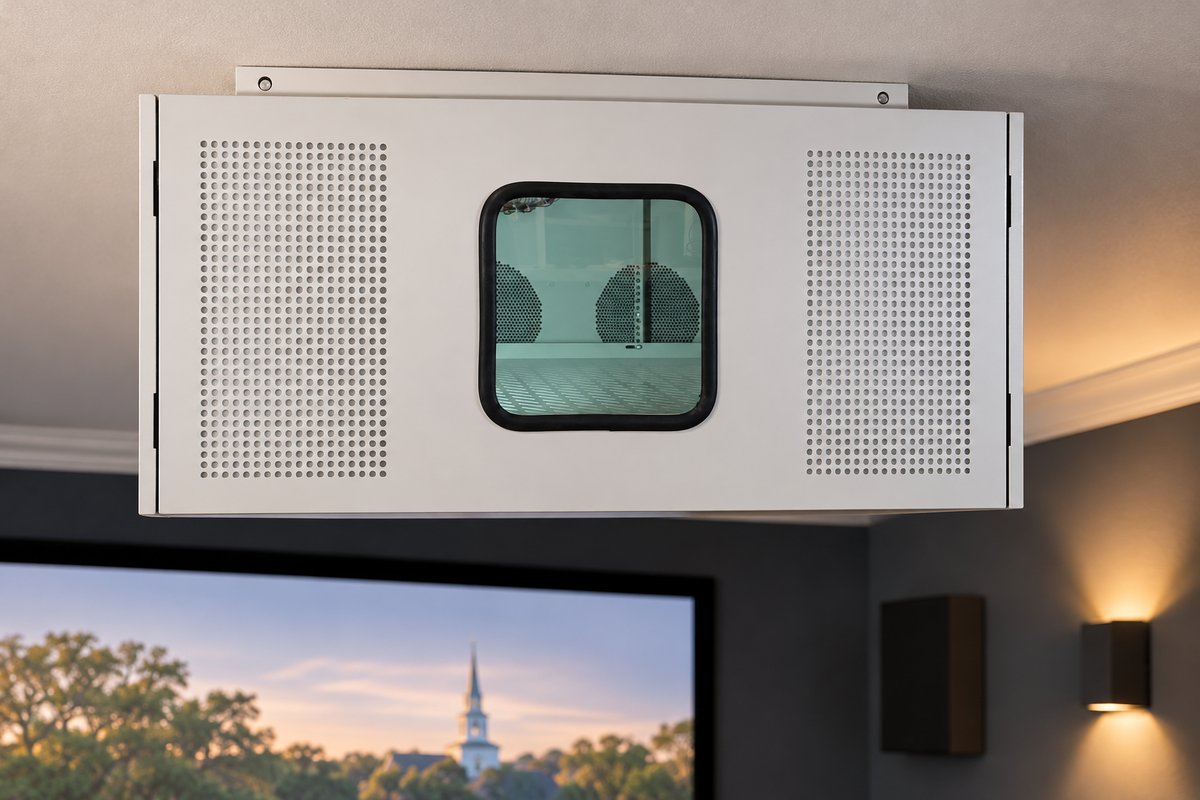
Outdoor Projector Enclosures: A Local Guide for North Charleston, SC
Understand North Charleston’s weather impacts on outdoor projectors, and get expert advice on choosing, sizing, and installing the right outdoor projector enclosure, with practical steps on power, mounting, and ventilation.
Why North Charleston’s Climate Demands Special Projector Protection
North Charleston, SC sits at the heart of the Lowcountry, where blazing summer temperatures, high humidity, salty breezes from the coast, frequent rain, and an extended hurricane season all create serious hurdles for those wanting to run projectors outdoors. Whether you’re an AV integrator setting up for a community event, a local school looking to host outdoor movie nights, or a homeowner seeking backyard entertainment, the challenges are unique and require diligent planning. Standard projectors left exposed to the elements here may fail quickly from heat build-up, salt corrosion, electrical faults, or dust infiltration.
As direct sunlight beats down on outdoor equipment through the longest summer days, temperature spikes inside unprotected projectors can cause unexpected shutdowns or even permanent electronic damage. Humidity, often sticking well above 80%, invades crevices and encourages rapid rust and electrical shorts. Salt air—prevalent for any installation near the Wando River or Charleston Harbor—directly corrodes sensitive internal components if not properly sealed. Rain and tropical storms remain a constant threat from late spring into fall.
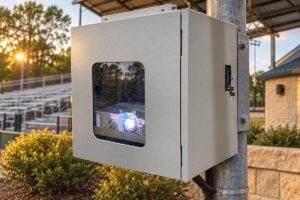
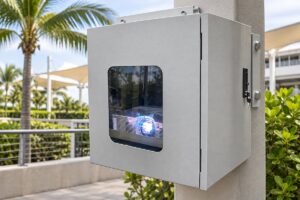
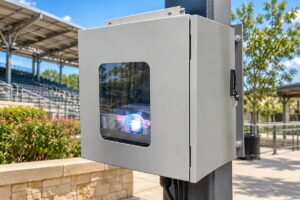
This harsh reality makes a high-quality outdoor projector enclosure, such as those offered by ProjectorEnclosure.com, far more than a precaution—they’re a necessity. Purpose-designed models like the Defender Series Projector Enclosure help to protect projectors from all kinds of weather, maximizing equipment life and reliability.
Planning Power Access for Outdoor Projector Enclosures
Reliable, steady power is a must for any outdoor AV installation, particularly when climate-controlled projector enclosures are involved. North Charleston’s utility provider, Dominion Energy, manages electrical infrastructure locally and is the starting point for anyone evaluating service capacity, requesting new circuits, or monitoring for outages. It’s essential to gauge the wattage your projector and enclosure will draw—modern climate-controlled units like the Defender Series use high-efficiency fans and thermostats, but require consistent power for active airflow and temperature management.
Independent circuits, run in weatherproof conduit and outfitted with GFCI (ground fault circuit interrupter) outlets, are standard recommendations for safety. Depending on your site, you might need to coordinate trenching or wall penetrations for outdoor-rated cabling. Remember to account for all intended AV and control components, not just the projector itself, to avoid overloading circuits during events or peak operation.
If you are planning a temporary setup for a festival or outdoor movie series, speak with Dominion Energy early about mobile power options, and be aware of their published outage and extreme weather notification resources, which are crucial during hurricane season. For permanent installations, engage an electrician familiar with outdoor-rated infrastructure and North Charleston’s storm readiness requirements.
How Heat, Humidity, Dust, and Salt Air Affect Projectors
North Charleston’s climate exposes AV equipment to more than just visible weather events. Extended periods of high ambient temperatures can wreak havoc on sensitive electronics, leading to thermal stress and premature failure if unmanaged. Most consumer projectors are built for controlled indoor conditions—not for a summer heat index climbing past 100°F in blazing sun.
Humidity and condensation are equally ruthless, especially without a sealed, fan-cooled enclosure. Persistent dampness penetrates even small gaps, corroding circuit boards and shorting connections. Salt air—driven inland during coastal storms or simply lingering in the atmosphere—accelerates corrosion on all metallic parts, especially connectors and fans. Dust, often unnoticed, is a frequent air passenger with the city’s periodic construction and pollen bursts, able to choke airways and foul optics.
This makes the use of a climate controlled projector enclosure with forced-air cooling and filtration, such as the Defender Series, essential for the local environment. These enclosures not only keep water and salt out but push filtered, dry, and temperature-regulated air around the projector—protecting your investment year-round.
Sizing and Selecting the Right Outdoor Projector Enclosure
Every projector model has unique dimensions and airflow needs, so enclosure selection requires more than just guessing external measurements. The type, output, and cooling method of your projector all influence the appropriate enclosure footprint and environmental controls. This is especially critical for high-output, short-throw, or DLP models commonly used in education and entertainment.
ProjectorEnclosure.com offers tailored solutions that begin with your specific projector make and model—important for maximizing internal clearance, ensuring airflow isn’t blocked, and making room for future upgrades. Submitting your projector specs (brand and model) is the first step and ensures you receive an enclosure sized just-right for thermal and cable management.
Use the Projector Enclosure Fit Guide to submit your projector information for accurate sizing. For most outdoor installs in open weather, the Defender Series Projector Enclosure is recommended, while the UST Defender Series Enclosure is ideal for ultra-short-throw applications. For covered patios or climate-controlled spaces but not open weather, see the Integrator Series Projector Enclosure. Reach out with your projector details to ensure the best match—and safest protection possible for North Charleston’s outdoor conditions.
Mounting, Ventilation, and Airflow: Local Best Practices
Proper mounting is about more than just security; it’s about maximizing airflow around and within your enclosure and managing North Charleston’s microclimates. Securely affix your projector enclosure so it sits above ground level (to avoid flooding), shielded from direct wind-driven rain when feasible. For many installations, building overhangs or custom shade structures can help limit the enclosure’s exposure to direct sun, lowering the burden on internal cooling fans and extending service intervals.
Ventilation is crucial in the Lowcountry, where muggy nights and temperature swings can cause condensation and stress on electronics. The Defender Series provides forced-air cooling and filtered intake/exhaust, engineered for both North Charleston’s salty air and dust. Ensure intake and exhaust are not blocked by landscaping or building walls, and regularly check and replace pre-filters as part of ongoing maintenance, especially after pollen season or nearby construction.
Installation best practices also include running all data/power lines through weather-tight glands and maintaining drip loops to prevent water migration. Enclosures should always allow for periodic inspection, both for airflow integrity and to identify any signs of corrosion or field wear—especially after summer storms or hurricane warnings from the National Weather Service Forecast Office Charleston, SC.
Weatherproofing and Seasonal Concerns: What to Expect
From sudden thunderstorms to coastal salt fog, North Charleston requires year-round vigilance to keep outdoor projectors safe. Investing in a weatherproof projector housing specifically rated for outdoor use, coupled with good enclosure site planning, helps ensure equipment downtime is minimal—no matter the season. Hurricane season from June to November brings unique threats, with increased risk of power loss and windblown debris. Projector enclosures should be both securely anchored and readily accessible for emergency shutdown or removal if major storms are forecasted.
Regularly check the National Weather Service Forecast Office Charleston, SC for weather advisories that may impact your AV setups, especially when planning public events or venue projections. Salt corrosion is especially aggressive following tropical weather, so post-storm inspection and dry-out procedures are wise for any permanent install.
ProjectorEnclosure.com has supported weather-tough outdoor projects for more than 20 years, offering both consultation and durable solutions for all seasons. Take advantage of both climate monitoring and professional enclosure design to reduce risk and keep your projection systems operating smoothly through Charleston’s ever-changing climate.
Permits and Local Codes for Outdoor AV Installations
Before mounting any outdoor projector enclosure, it’s essential to determine whether your installation will require local building or electrical permits. This applies especially to permanently installed structures, powered enclosures, or any site where mounting points are affixed to existing buildings in North Charleston. Venues, schools, and churches must ensure that all work is compliant with local code—project requirements like trenching, new circuits, or weatherproof grounding each have their own approval processes.
Check with the city’s permitting office and consult with your licensed electrician for the most up-to-date site requirements. For electrical planning, use Dominion Energy as your contact for questions about service capacity or site upgrades. Homeowners and property managers should also consider HOA regulations or restrictions on permanent exterior AV equipment.
Permits aside, consult with your enclosure supplier—ProjectorEnclosure.com can offer guidance on code-ready mounting solutions and typical local requirements gathered from years of experience supporting Charleston-area AV professionals.
Choosing the Right Product for Your Outdoor Projector Setup
- Outdoor Use (Open Weather): The Defender Series Projector Enclosure is engineered for all-weather performance, suited to North Charleston’s heat, humidity, and rainfall.
- Ultra-Short-Throw Setups: For ultra-short-throw projectors, opt for the UST Defender Series Enclosure.
- Climate-Controlled or Covered Areas: The Integrator Series Projector Enclosure is right for climate-controlled spaces—not for open weather.
- Mapping and Home Displays: Explore the HomeLine Projector Enclosure for creative projection mapping and residential displays.
- Indoor Quiet Spaces: The Hush Series Projector Enclosure is for strictly indoor, acoustically sensitive environments (never outdoors).
Be sure to use the Projector Enclosure Fit Guide to submit your projector details for precise sizing recommendations. If in doubt, contact ProjectorEnclosure.com with your projector model so their team can size an enclosure to your exact needs.
FAQ: Outdoor Projector Enclosures in North Charleston
What’s the most important climate factor for outdoor projectors here?
In North Charleston, high humidity and coastal salt air are particularly damaging to unprotected electronics, causing rapid corrosion and condensation issues. Both heat and rain are persistent risks, so a climate-controlled, weatherproof solution is vital for reliable operation year-round.
How do I keep my outdoor projector enclosure cool in summer?
Always choose an enclosure with built-in, thermostat-controlled fans or active ventilation, such as the Defender Series. Avoid direct sun exposure when possible, use shade structures, and ensure intake and exhaust vents stay clear of debris. Regular maintenance of filters and fans is also key in the humid Charleston climate.
Do I need a permit to install an outdoor projector enclosure?
Permitting requirements vary based on installation type and local code. Permanent structures and new power circuits almost always require some permitting. Check with your local city office and consult a licensed electrician, and use Dominion Energy for utility questions and electrical service advice.
No matter your venue or outdoor AV project in North Charleston, proper planning and the right enclosure make all the difference. For expert help, visit Request an enclosure quote or contact ProjectorEnclosure.com at 888-631-5880 or ssisales@ssidisplays.com. Make sure to have your projector make and model ready for personalized sizing.
- Dominion Energy – Local electric utility and new service info for North Charleston.
- National Weather Service Forecast Office Charleston, SC – Official forecasts and storm alerts for site planning and AV event safety.
Supplies mentioned in this guide
Defender Series Projector Enclosure
Integrator Series Projector Enclosure
Hush Series Projector Enclosure
UST Defender Series Enclosure
HomeLine Projector Enclosure
Projector Enclosure Fit Guide
Planning Outdoor Projector Enclosures in Reno: A Practical Guide