
Denver Guide: Weatherproofing Outdoor Projection Mapping Setups
Denver Guide: Weatherproofing Outdoor Projection Mapping Setups
A practical guide for Denver, CO: how local weather and environmental factors impact outdoor projection mapping projector enclosures, with step-by-step advice on protection, power, mounting, ventilation, and local resources.
How Denver’s Seasonal Weather Challenges Outdoor Projection Displays
With holiday and Halloween house projection shows lighting up Denver neighborhoods, the focus on outdoor projection mapping is at its peak. Denver’s winter weather brings unique challenges: sudden snow, cold nights, gusty winds, and the occasional dust storm. Rain and fluctuating humidity levels can quickly compromise delicate projector electronics unless properly protected. Dust and even periodic traces of road salt from winter street treatments can also impact sensitive equipment during public festivals or building-facade projection mapping shows.
Even when the skies are clear, major temperature swings between sunny days and cold nights can cause condensation inside unprotected projector housings. This combination of weather extremes underlines the importance of selecting an enclosure specifically designed to cope with Denver’s conditions if you want your projection mapping project—whether for your home, church, business, or public event—to succeed.
For detailed local climate trends you can reference Denver Area Climate Information (NWS) to get familiar with seasonal precipitation, temperature averages, and the severity of local weather impacts on your planned projector site.
Why a Purpose-Built Enclosure is Critical for Denver’s Outdoors
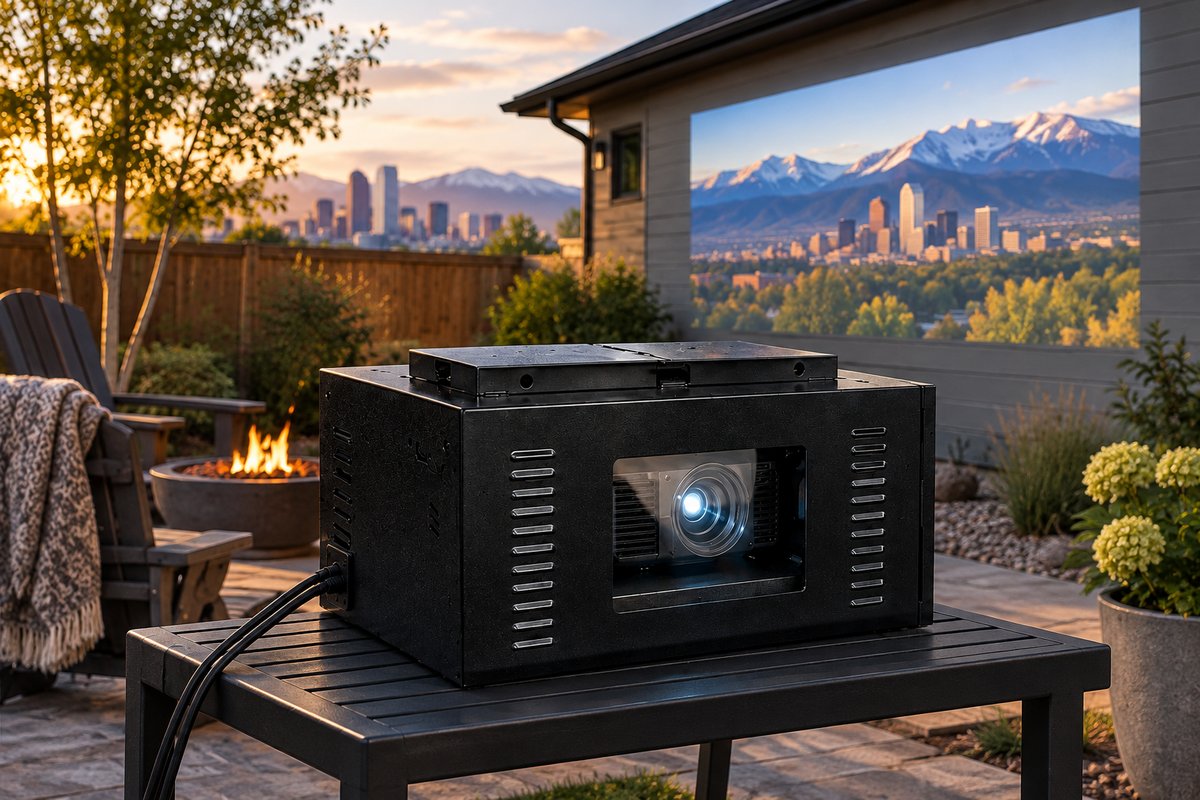
The right outdoor projector enclosure is not just a weather box. It’s engineered for air circulation, rigidity, and a long service life under constant exposure. In Denver, your enclosure needs to handle freezing temperatures, wind-driven dust, and the spray of powerful water jets from sudden cloudbursts. Once the holiday season arrives, your setup may be running nightly, meaning consistent weatherproofing is a must.
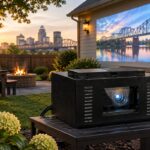
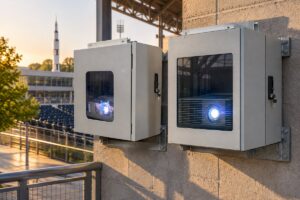
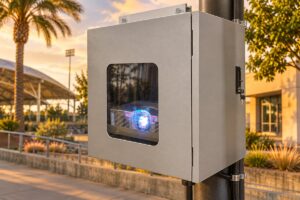
Defender Series projector enclosures and UST Defender Series enclosures are up to this task, offering IP66-equivalent protection against dust and powerful water jets. For homeowners preparing dazzling Halloween or Christmas projection mapping displays, the HomeLine projector enclosure is tailored for home projection mapping displays, focusing on practicality and ease of use for seasonal setups.
Be sure to send your projector model to ProjectorEnclosure.com when requesting an enclosure, so it can be right-sized for your hardware.
Local Hazards: Humidity, Dust, Rain, and Salt Air in Denver
Denver’s semi-arid climate means low humidity most of the time, but spring and late summer can bring fast-moving thunderstorms or downpours that threaten exposed AV gear. Dust is a year-round concern, especially after dry spells or during strong wind events. In winter, melting snow tracked in from salted roads adds a further layer of risk for both residential and commercial projection setups.
Salt air is less prominent here than in coastal regions, but road salts present in winter runoff can accumulate and cause corrosion or electrical shorts, even when you’re just projecting onto your own home or storefront. That makes tightly-sealed, purpose-built protection essential for both home users and professionals staging projection mapping displays in Denver’s public spaces.
Aim for an enclosure that doesn’t just shed water and dust, but also provides controlled airflow to expel moisture and keep electronics from overheating in the afternoon sun. All ProjectorEnclosure.com outdoor models are built with these regional demands in mind; a quick review of the projector enclosure fit guide will help you match your projector to the ideal enclosure for your needs.
Power Planning for Reliable Outdoor Projection in Denver
Stable, weatherproof power is as critical as the enclosure itself. Denver’s occasional ice storms and high wind events mean power flickers and outages remain a seasonal concern. Designing your setup to avoid tripped circuits or interruptions during a show is vital for both homeowners running festive house projection displays and professional outdoor event setups.
Make sure all electrical connections are routed through weather-resistant conduit and protected outlets. Consulting Xcel Energy’s Colorado Quality of Service Plan provides performance and outage data to help you assess the most reliable power sources for your site. For longer runs or events, consider a backup battery or generator—especially when projecting at large venues or during critical performances.
It’s best to plan your cable lengths to minimize voltage drop and ensure your projector and enclosure ventilation fans always have enough power. Secure all outdoor cables to eliminate tripping hazards and prevent wind-blown debris from snagging critical connections.
Mounting Strategies: Secure, Accessible, and Weather-Ready
Placement is everything in projection mapping—especially in Denver, where a sudden gust or a shift in evening temperatures can move or disturb equipment that isn’t properly anchored. Whether installing a projector enclosure for house projection mapping or staging a commercial build on a facade or storefront, make sure you use adjustable, vibration-resistant mounts that allow for precise aim and leveling defensible to both wind and tampering.
Outdoor-rated tripods, posts, or wall mounts that keep the enclosure off the ground reduce the risk from puddles, snowdrifts, or drifting debris. For short-throw mapping very close to the wall, the UST Defender Series Enclosure is a compact fit where space is at a premium.
Test your mounting position both day and night to be certain your projector’s throw path is clear, focus and keystone settings are locked in, and internal fans are unobstructed. Routine inspections during the projection season keep everything safe and show-ready.
Ventilation: Keeping Your Projector Cool, Dry, and Reliable
Denver’s high elevation and thin atmosphere can intensify sun exposure, causing midday temperatures inside a sealed box to climb rapidly, even in winter. A well-designed outdoor projector enclosure should provide filtered intake and exhaust ventilation to manage both heat and humidity, extending the lifespan of your projector, even when your projection mapping surface is just your own home.
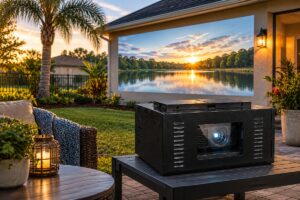
IP66-equivalent Defender enclosures use active ventilation: industrial-grade fans, filters, and airflow management to trap dust while exhausting heat and moisture. For home displays, the HomeLine enclosure integrates easily with consumer projectors and is designed to keep small installations cool and dry during evening operation.
Make sure intake and exhaust vents are never blocked—by snow, leaves, or decorations—and confirm that the enclosure is always installed level to avoid water pooling around seals or fan ports. This small step goes a long way in ensuring both performance and safety throughout Denver’s unpredictable weather cycles.
Permits, Codes, and Neighborhood Considerations
Depending on your neighborhood association, city or commercial building, local rules can shape where and how you mount and operate your projection mapping setup. Event organizers, businesses, and churches projecting onto building facades will need to confirm what’s required. These may include electrical permits for power sources, special allowances for outdoor lighting setups, or set-back requirements for ground-mounted enclosures visible to the public.
Always verify requirements before beginning installation. Local city ordinances or historic district rules may impact the placement or timing of your setup. If you’re unsure where to get started, check with the appropriate permitting office as linked above, and confirm compliance before activating your display.
Being a thoughtful neighbor is also essential—ensure your mapping effects don’t spill light into adjacent properties or create distracting strobe effects for passing drivers.
Denver Resource List for Outdoor Projection Mapping
- Xcel Energy–Colorado Quality of Service Plan: Useful for checking area power reliability statistics and understanding your outage risk during projection mapping events.
- Denver Area Climate Information (NWS): Provides essential historical weather and extreme event records for seasonal planning of outdoor projector setups.
Frequently Asked Questions: Denver Projection Mapping Protection
How do I choose the right enclosure for my projector and site?
First, consider whether you’re projecting onto a home, storefront, or building facade. The Defender Series is built for all-weather outdoor installs, while the HomeLine is tailored for home holiday displays. If you’re using a short-throw projector, the UST Defender Series enclosure is a compact choice for close-in mapping. Always send your projector model to ProjectorEnclosure.com for correct sizing—see the enclosure fit guide for details.
What are best practices for powering my outdoor projector in Denver?
Use weatherproof, outdoor-rated power outlets and check your local power reliability with the resources above. Route cables through conduit and secure all plugs out of reach of standing water or snow. For large events or critical shows, consider a power backup, especially in winter or high-wind seasons.
Are permits required for my projection mapping enclosure?
Homeowners will want to check HOA or city rules for outdoor lighting or electrical use; businesses and event producers should confirm city requirements or building codes before permanent or semi-permanent installation. Always contact the appropriate local permit office to stay compliant.
ProjectorEnclosure.com has over 20 years’ experience delivering projection mapping projector enclosure solutions for Denver’s challenging weather. Request an enclosure quote today for help customizing your setup to your projector model and local environment.
Supplies mentioned in this guide
Defender Series Projector Enclosure
UST Defender Series Enclosure
HomeLine Projector Enclosure
Projector Enclosure for House Projection Mapping
Projector Enclosure Fit Guide
Choosing the Right Projector Enclosure for San Jose Projection Mapping