
Protect Your Outdoor Projector in Bakersfield: Essential Enclosure Planning Guide
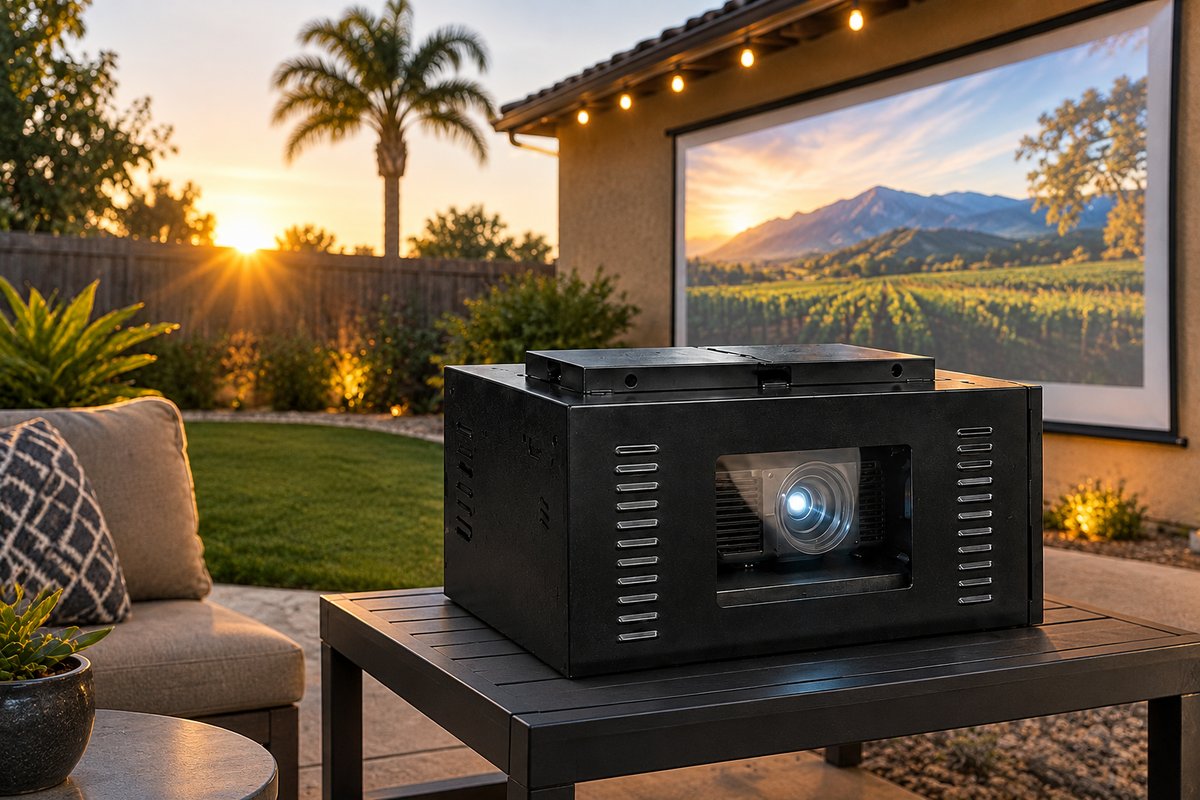
Protect Your Outdoor Projector in Bakersfield: Essential Enclosure Planning Guide
Holiday house projection mapping is booming in Bakersfield. Discover how local weather, dust, and power needs can affect outdoor projector enclosures, and how to plan for safe, reliable displays.
Holiday Projection Shows in Bakersfield: Why Weather Protection Matters
The winter holiday season brings out creative projection mapping displays across Bakersfield, with homeowners, artists, churches, and businesses turning houses and buildings into dazzling canvases. But as holiday lights and projection mapping shows take center stage, it’s important to protect expensive projectors from Kern County’s shifting weather—including rain, dust storms, and the occasional salty breeze from agricultural irrigation. Left unprotected, outdoor projectors can face moisture damage, overheating, dust infiltration, and unexpected power interruptions. This practical guide walks you through what every Bakersfield-area AV enthusiast needs to know before setting up a projection mapping projector enclosure for a safe and reliable holiday show.
Bakersfield’s winter weather is typically mild, but January and February can bring rain and temperature swings. Dust can be an issue year-round—especially near construction, fields, or just after a dry, windy spell. If you’re planning a show for Halloween, Christmas, or a business event that puts your projector outside, understanding these local factors is step one in long-term projector health.
ProjectorEnclosure.com offers several enclosure solutions, including the Defender Series for professional outdoor installs and the HomeLine for consumer-grade home displays. Each model helps prevent weather damage, so your equipment stays safe no matter the season.
How Bakersfield Weather Can Affect Your Outdoor Projector
Bakersfield’s moderate winters are interrupted by occasional storms and steady winds, meaning outdoor projectors need protection from both rainfall and airborne dust. According to the National Weather Service Kern County Forecast, unexpected rain showers or high winds can arrive quickly, especially between November and March. Even rare, a single rainstorm can ruin an unprotected projector or cause dangerous short circuits.
Dust, a common threat in Bakersfield, is harder to notice but just as hazardous. Fine particles can clog cooling fans, coat lenses, and settle on sensitive electronics. Over time, this can affect performance and even shorten the life of your projector—potentially ending your show prematurely.
Some parts of Bakersfield may also experience a slight salty residue from nearby farmland irrigation. Paired with California’s well-known air quality issues, this makes an all-weather enclosure absolutely critical for building projection events, church presentations, and especially for holiday house projection mapping setups.
Choosing the Right Projection Mapping Projector Enclosure
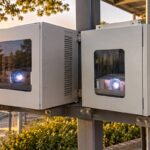
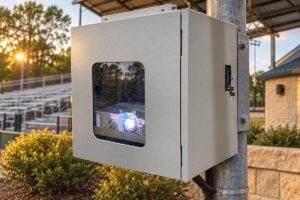
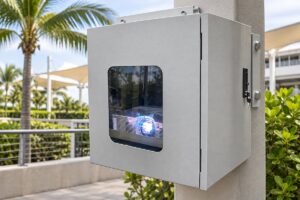
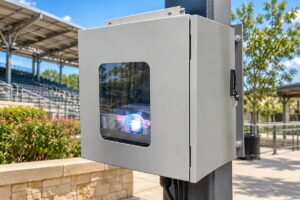
To protect your projector during Bakersfield’s projection mapping season, start by matching your show’s needs to the right enclosure. For most outdoor shows—whether you’re mapping a home, a church facade, or a business storefront—the Defender Series Projector Enclosure offers IP66-equivalent protection against dust and powerful water jets. This is ideal for the city’s periodic storms and ever-present dust, giving AV pros and event producers peace of mind.
If you’re working with a short-throw or ultra-short-throw (UST) projector placed especially close to the wall, the UST Defender Series Enclosure delivers the same level of protection with special attention to heat management and mounting flexibility for UST projectors. For homeowners creating cheerful or spooky projection mapping holiday house displays, the HomeLine Projector Enclosure is built specifically for home-grade projectors in residential settings.
The Defender Series is available in five sizes, each assigned by cooling wattage: Small (500 W), Medium (1,500 W), Large (2,500 W), Large Plus (3,500 W), and Extra Large (4,500 W). Select an enclosure that matches or exceeds your projector’s power draw, then double-check the projector’s physical fit. Send your projector’s model to ProjectorEnclosure.com and the team can verify both your wattage and fit sizing during the quoting process.
Power Planning: Safe, Reliable Electricity for Your Show
Stable power is essential for any outdoor projection mapping setup. Sudden outages or power fluctuations can not only disrupt your show, but may also damage sensitive projector electronics. Bakersfield’s winter months are relatively stable, but equipment plugged into outdoor circuits should always be protected by ground-fault circuit interrupter (GFCI) outlets.
For any permanent or semi-permanent installation—especially those that will run overnight—bring in a qualified electrician to ensure the circuit carries enough amperage for both the projector and any associated audio or lighting equipment. Outdoor-rated extension cords should be kept as short as possible to avoid voltage drop.
Before installation, check the Pacific Gas and Electric Company outage and service information page for scheduled outages, and use it to report problems during show nights. Outlines for local power reliability will help you prepare backup plans for large-scale events or important holiday shows.
Mounting Your Enclosure: Structural, Level, and Vibration Considerations
Whatever enclosure you choose, mounting is the backbone of a reliable projection mapping display. Projector enclosures need to be installed on structures strong enough to support their combined weight (projector plus enclosure). For roof or wall mounting, make sure beams or studs are present, or have a licensed contractor reinforce the structure as required.
Keeping the enclosure level is vital: a tilted projector will cause keystone distortion and possible water ingress during storms. Use a spirit level during installation and re-check after your setup is finished. Temporary installations, such as short-term event projections or seasonal house shows, may benefit from ground-based mounting—just ensure the base won’t shift if soil becomes saturated during rain.
Bakersfield’s winter wind and occasional tremors mean vibration is also a factor. Rubber pads or vibration dampers may help for long-term installations. Always test your mapping lineup for several days in real conditions to check for image shift or settling.
Ventilation and Cooling in the Kern County Climate
Even in winter, Bakersfield is known for warm spells that can cause internal enclosure temperatures to spike, especially if your projection mapping show runs during the day or for long hours. Proper ventilation is non-negotiable: overheating is one of the leading causes of projector failure during outdoor events.
The Defender Series projector enclosure is engineered with active cooling appropriate for projectors up to the selected wattage, helping dissipate heat and maintain a safe environment for the equipment. The HomeLine model for home displays is also designed with careful airflow management in mind. ProjectorEnclosure.com’s Projector Enclosure Fit Guide helps you select an appropriately ventilated enclosure for your specific projector model and usage scenario.
During dry spells or gusty weather, make sure enclosure vents are clear of debris and dust; regular maintenance prolongs equipment life. Enclosures offering IP66-equivalent protection will keep out most dust and water, but routine exterior cleaning each season is wise, especially after dust storms or agricultural activity.
Navigating Permits and Local Approvals
Installing outdoor equipment may require permits, especially for permanent mounts or business projections in public-facing spaces. Bakersfield property owners should always check with the City of Bakersfield Building Permits office for requirements if drilling into exterior walls, adding power outlets, or mounting enclosures on high points of homes or commercial structures.
Permit needs can vary depending on the building’s age, location, and how visible the enclosure is to the public or neighbors. If your event setup uses temporary supports or scaffolding, further approvals or engineering checks may be required. The city portal above allows you to submit applications and schedule inspections as needed.
For holiday house projection mapping displays, many residents opt for temporary, easily removable mounts that avoid the need for permanent changes. Still, even temporary changes in a planned development or HOA may require neighbor notification. Always check before you install to avoid fines or rework.
Keeping Your Projection Clear: Combating Dust, Rain, and the Unexpected
Outdoor house and building projection shows face more than just weather. In Bakersfield, festive lights can attract insects, seasonal fog can obscure images, and neighbor lights may add glare. Protecting the projector itself is the first step—using an enclosure designed for all-weather outdoor use with a clear, anti-reflective viewing window helps maintain a crisp image, no matter the conditions.
During rain, Bakersfield’s infrequent but intense storms can push water into crevices that basic DIY covers won’t block. The Defender Series and UST Defender provide IP66-equivalent protection, preventing dust and jets of water from breaching the enclosure and damaging your gear. This is especially important for public events with no option for rapid equipment teardown.
For home shows, the Projector Enclosure for House Projection Mapping is built for quick setup and seasonal stowage, keeping projectors safe from the unexpected. Always install on a solid surface, away from direct irrigation or low spots where water could pool.
Frequently Asked Questions
How do I size a Defender Series enclosure for my projector?
First, match your projector’s wattage to the closest enclosure size that meets or exceeds it—Small for 500 W, Medium for 1,500 W, Large for 2,500 W, Large Plus for 3,500 W, and Extra Large for 4,500 W. Next, verify your projector’s dimensions will fit inside. Share your model details with ProjectorEnclosure.com, and their team will confirm the fit and cooling needs for your display.
What kind of maintenance does an outdoor enclosure need in Bakersfield?
Inspect your enclosure before and after your projection mapping show season. Ensure all sealing gaskets are intact, vents are clear of dust, and the viewing window is free from dirt or streaks. After Bakersfield’s windstorms or rain, check for debris accumulation around vents, and clean as needed. Regular maintenance protects your projector throughout the holiday or event season.
Do I need a permit for a temporary house projection mapping setup?
Most short-term, residential holiday displays with temporary mounting do not require permits, but any connections to your home’s electrical system, significant alterations, or large-scale commercial projections might. Always check ahead with the City of Bakersfield Building Permits office to confirm what’s needed for your property and installation type.
In Summary: Plan Smart for Stunning, Safe Projection Mapping
Bakersfield’s changing weather and dust mean that anyone running an outdoor projection mapping show should put enclosure planning at the top of their checklist. Choosing the right enclosure—such as the Defender Series for all-weather events, the UST Defender for short-throw setups, or the HomeLine for home shows—will shield your gear and ensure every show looks as impressive as planned. Review the local power and weather information, check fit with the Projector Enclosure Fit Guide, and consult the permitting office for any installation questions.
Ready to start your next projection mapping project? Request an enclosure quote from ProjectorEnclosure.com today or contact 888-631-5880 / ssisales@ssidisplays.com for expert help choosing the safest solution for your Bakersfield display. Every enclosure carries a 1-year warranty.
Supplies mentioned in this guide
Defender Series Projector Enclosure
UST Defender Series Enclosure
HomeLine Projector Enclosure
Projector Enclosure for House Projection Mapping
Projector Enclosure Fit Guide
Protecting Projectors for Richmond, VA Outdoor Projection Mapping