
Outdoor Projector Enclosure Planning in Washington, DC: A Practical Guide for Projection Mapping Shows
Outdoor Projector Enclosure Planning in Washington, DC: A Practical Guide for Projection Mapping Shows
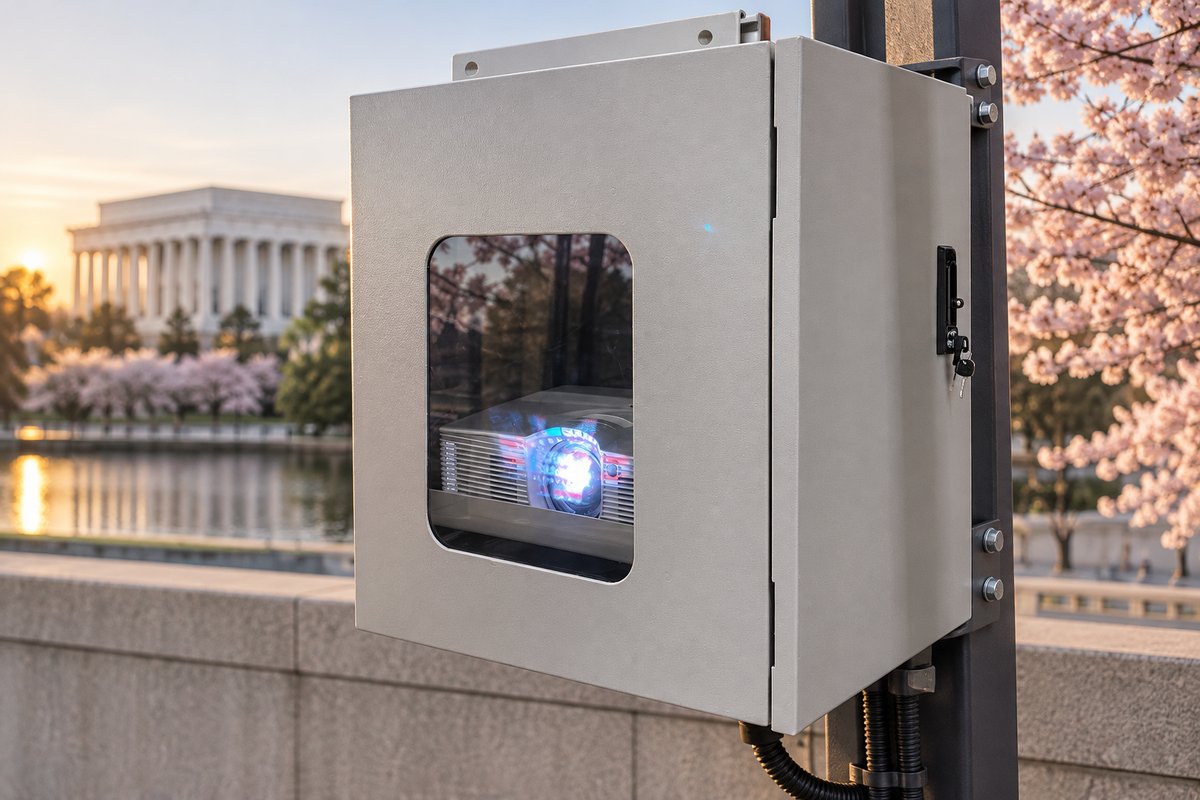
With holiday projection displays lighting up Washington, DC, it’s vital to protect your equipment from DC’s rain, humidity, and dust. This guide offers action steps for powering, mounting, ventilating, and permitting outdoor projector enclosures to ensure your projection mapping show shines safely all season.
Launching Holiday and Projection Mapping Shows in DC: Why Protection Matters
As holiday projection mapping displays brighten up homes and buildings across Washington, DC, it’s essential to prepare for the unique challenges our local climate can throw at your outdoor projector. Whether you’re transforming your rowhouse façade for Halloween, illuminating a storefront for a festival, or creating an immersive display for a special event, harsh fall and winter weather can threaten your gear. Rain and snow are common, and even mild nights come with wet air, wind-driven dust, and the persistent effects of urban air and salt from winter street treatments. Starting right means investing in protection for your projector, so your show dazzles through any DC season.
Choosing the right projection mapping projector enclosure keeps your visuals crisp and your projector safe. ProjectorEnclosure.com provides several options designed for DC’s unpredictable outdoor environments, from the all-weather Defender Series to the specialized UST Defender for ultra-short throw, and the home-focused HomeLine. Each can be matched to your projector model—crucial for reliable operation during the region’s dynamic winter and rainy season displays.
Understanding DC’s Climate: Rain, Humidity, Dust and Salt Exposure
Washington, DC, is no stranger to variable weather, especially in the fall and winter holiday display season. Powerful rainstorms, dense humidity, and the arrival of early snow can challenge any outdoor electronic setup. Cold nights increase condensation risks, while windy days bring dust and debris. Adding to this, winter snow-melt and salting operations mean salt-laden mist can linger in the air, particularly near roads and pavements—posing long-term corrosion threats to electronics left exposed.
Keeping an eye on the current weather forecast for Washington, DC is important not just during your shows, but as you plan installation and maintenance of your display. Even light winds can blow dust into sensitive equipment. Letting humidity and salt air linger on lenses or circuit boards can mean expensive repairs or replacement. A robust outdoor projector enclosure helps shield your investment from these hazards, aiming for season-long reliability.
When mapping a building or hosting a neighborhood holiday show, the right enclosure choice reflects both the projector’s needs and your local environment. In DC, IP66-equivalent protection, as featured in the Defender Series, is essential for defending against rain, dust, and forceful winter sprays.
Choosing the Right Projection Mapping Projector Enclosure
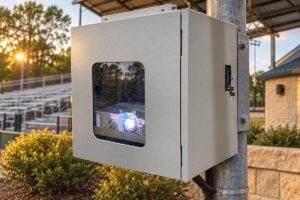
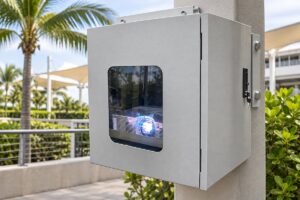
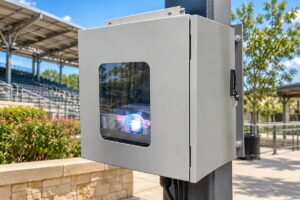
For outdoor use in Washington, DC, rugged protection is a must. The Defender Series Projector Enclosure stands out for its all-weather defense. It offers IP66-equivalent protection against dust and powerful water jets—meeting the demands of public-facing and holiday projection mapping shows, as well as year-round installations on building facades or church walls.
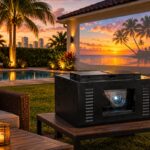
If your creative vision involves ultra-short-throw setups—projectors mounted close to the wall for grand, up-close mapping effects—the UST Defender Series Enclosure is engineered for this purpose, delivering the same level of environmental protection. Homeowners interested in sophisticated home displays will find the HomeLine Projector Enclosure specifically tailored for consumer projection mapping, balancing weather resistance with easy access for seasonal setups.
Selecting the right enclosure means considering not only the environment, but also the projector model and lens configuration. For a perfect fit, ProjectorEnclosure.com encourages you to submit your projector model with their projector enclosure fit guide. This ensures the enclosure dimensions, airflow, and lens window are precisely matched to your equipment, boosting both performance and protection.
Mounting, Placement, and Power: Planning Your Outdoor Setup
Once you’ve selected the best outdoor projector enclosure for projection mapping, the next steps come down to placement and providing safe, reliable power. Projector mounting should ensure the enclosure is secure against wind and tampering, while also providing the best projection angle and image quality. For elevated or wall-mounted installs, verify the structure can support both projector and enclosure weight, and consult local guidelines for safety standards.
Powering your projector outdoors demands attention to circuit load, GFCI protection, and cable weatherproofing. To understand what’s available at your location, the DC Power Connect portal is a valuable resource, offering information about electricity suppliers and setup options for residential, commercial, and temporary event sites around the district. If extending circuits outdoors or adding new outlets, coordinate with a licensed electrician for compliance and safety.
For house projection mapping, where units may be temporarily staged on yards or driveways, use appropriate, rated extension cords and avoid running cables through areas prone to pooling water. If you’re not sure about your power setup, always check with an expert before powering up your display.
Ventilation and Managing Heat in Humid, Variable Weather
Enclosing a projector outdoors is about more than just keeping water out; DC’s swings in temperature and humidity can cause overheating and condensation inside an enclosure if airflow isn’t managed. ProjectorEnclosure.com’s Defender and UST Defender enclosures offer active ventilation, with filtered air intakes and exhausts designed to operate safely even during muggy summer nights or sudden cold snaps.
Proper ventilation means less risk of fogged lenses, hot spots, or fan failures inside the enclosure. High humidity can drive condensation, so it’s important to run the built-in fans during both operation and cool-down. This is particularly crucial after rain or snowy conditions, when cold, moist air can become trapped inside the enclosure’s shell.
If your setup sits idle between shows or overnight, it’s wise to check for condensation before powering up. For home users, the HomeLine enclosure is designed for ease of access for inspection. Regular air filter checks and simple cleaning keep airflow strong, ensuring your projection mapping show doesn’t get cut short by avoidable heat or moisture issues.
Permitting and Local Regulations for Outdoor Installs
In Washington, DC, outdoor electronic installations—especially those mounted on homes, churches, schools, or commercial buildings—may require permits. This can cover both the enclosure as a structure and any electrical upgrades to supply power outdoors. The District of Columbia permitting office provides comprehensive guidance on when permits are needed and how to get started with the application process.
Event producers and AV integrators working on public or commercial buildings should check requirements well in advance, as permitting can involve reviews for electrical safety, structural mounting, and sometimes even aesthetics or neighborhood association approval. For homeowners operating annual holiday displays, it’s a good practice to document your enclosure’s specs and installation method, in case local inspectors request details.
Remember, each installation is unique. Check directly with the relevant DC office for project-specific rules and to avoid delays in setting up your display. Professional guidance is always recommended for permanent or high-traffic installations.
Maintaining and Monitoring Your Projector Enclosure Through the Season
Protecting your projector during holiday mapping shows and public events isn’t just about setup—long-term display success depends on regular monitoring and quick action in changing weather conditions. After any severe weather event, check the enclosure’s seals, lens window, and mounting hardware for tampering or leaks. Inspect intake and exhaust filters frequently, especially after windy or wet days, as DC’s autumn leaves and urban dust can build up quickly.
Keep an eye on the local forecast and power off the projector if major storms are incoming. For enclosures installed near salted roadways or walkways, wipe down surfaces periodically to reduce salt buildup, which over time can degrade even well-sealed construction.
If your show runs nightly through the winter holiday season, schedule a simple daily check—especially after thaw/freeze cycles or heavy precipitation. These steps keep your holiday house projection enclosure performing as intended and protect your investment for years to come.
FAQ: Outdoor Projection Mapping in Washington, DC
How do I determine the right enclosure size for my projector?
Because every projector model varies in size and heat output, it’s important to choose an enclosure sized specifically for your equipment. Use the Projector Enclosure Fit Guide to send your projector model to ProjectorEnclosure.com for an expert fit recommendation.
Do I need a special permit for an outdoor projection mapping enclosure?
Depending on your installation—especially if you mount the enclosure to a permanent structure or modify electrical supply—a permit may be required. For guidance, visit the District of Columbia permitting office and consult a licensed tradesperson.
What are best practices for power and weatherproofing my display?
Install all outdoor power on GFCI circuits, use appropriately rated extension cords, and weatherproof all cable connections. Assess supply options with DC Power Connect if you need new circuits or upgrades for your projection mapping setup.
Next Steps: Request a Custom Outdoor Projector Enclosure Quotation
Protecting your projector during Washington, DC’s festive season or for any outdoor projection mapping is best accomplished with a weather-appropriate enclosure matched to your projector model and show needs. ProjectorEnclosure.com brings over 20 years of expertise to every solution, with options engineered for home, business, and large-scale creative displays.
Ready to get started? Request an enclosure quote and send your projector details to ensure the perfect fit for your DC project!
Supplies mentioned in this guide
Defender Series Projector Enclosure
UST Defender Series Enclosure
HomeLine Projector Enclosure
Projector Enclosure for House Projection Mapping
Projector Enclosure Fit Guide
Choosing the Right Projector Enclosure for Sacramento Projection Mapping