
Planning Outdoor Projector Installs in South Carolina: Enclosure Essentials
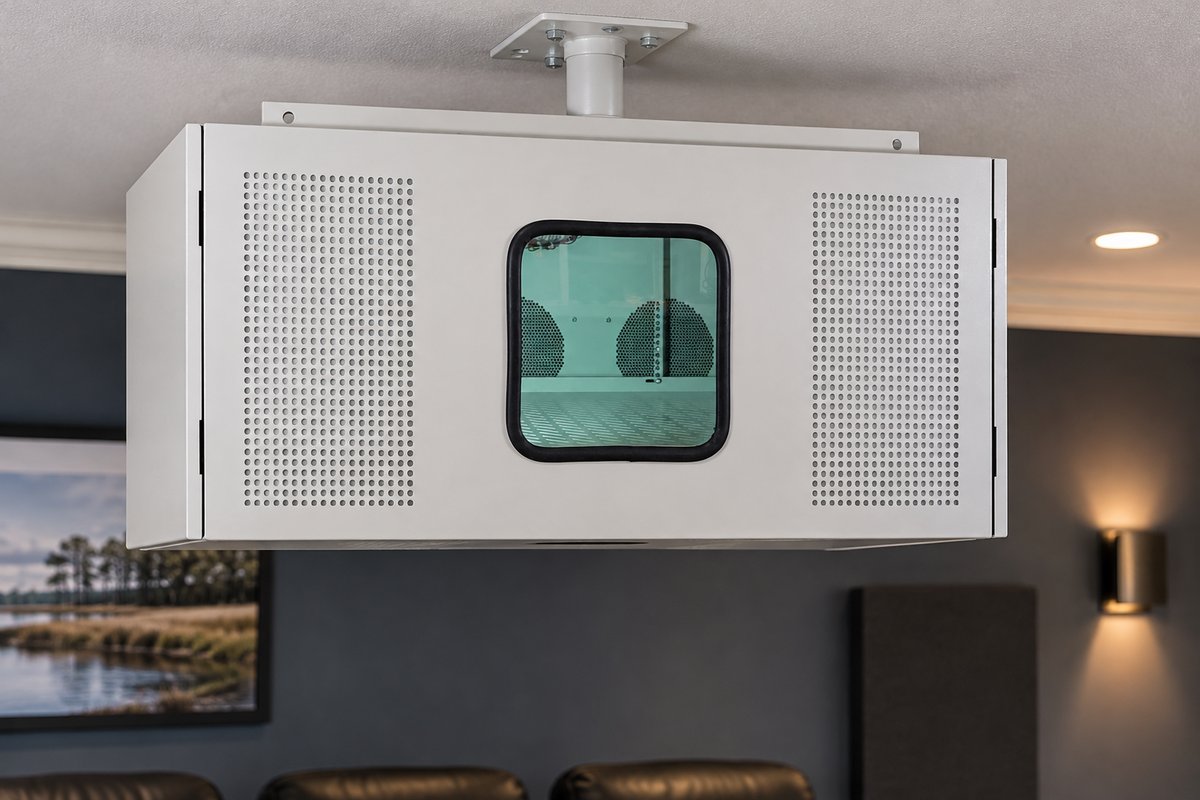
Planning Outdoor Projector Installs in South Carolina: Enclosure Essentials
Learn how to protect outdoor projectors in South Carolina from heat, humidity, storms, dust, and salt air. Explore climate controlled enclosure solutions and practical installation tips.
Understanding South Carolina’s Outdoor Climate Challenges
South Carolina’s climate presents unique challenges for anyone installing projection equipment outdoors. Sweltering summer days can push enclosure temperatures high, and humidity remains elevated year-round. Along the coast, salt air accelerates corrosion, while occasional storms and hurricane threats introduce risks of wind-driven rain and debris. In both urban and rural areas, airborne dust can accumulate within sensitive electronics. As a result, choosing the right outdoor projector enclosure is critical to ensuring projector performance and long-term reliability. Knowing how these conditions impact both the enclosure and projector helps you plan properly for power, mounting, ventilation, and ongoing maintenance.
If you’re planning a permanent installation—whether it’s a school courtyard, resort pool, community park, or church pavilion—each environmental factor must be considered in your enclosure selection. Ventilation and cooling are especially important during the peak of South Carolina’s summer heatwaves, while sturdy materials resistant to rust and UV exposure are essential for any location with direct sun or salt air exposure. Before you purchase any weatherproof projector housing, take a close look at how these climate differences affect the install site and tailor your plans accordingly.
This guide covers best practices for enclosure selection, siting, power planning, ventilation requirements, and permits—so you can deliver safe, robust AV experiences in venues large and small.
Why the Right Outdoor Projector Enclosure Matters
South Carolina’s intense heat and variable humidity demand more than a basic weatherproof box. Most standard enclosures fall short when it comes to dissipating heat generated both by the projector and the environment. For long summers with temperatures often in the 90s—and occasional spikes higher—using a Defender Series Projector Enclosure from ProjectorEnclosure.com ensures your projector stays within its recommended operating range, minimizing the risk of thermal shutdown or damage.
Coastal locations must also contend with salt-laden air, which is highly corrosive to metals and electronics. Even a week or two of mist from a nearby beach can lead to problems over time. Enclosures specifically engineered for outdoor use, like the Defender Series, utilize materials and construction techniques designed to fend off corrosion and intrusion of moisture or particulates. Their climate controlled designs harness forced fan cooling and filtered airflow, providing a controlled environment for your projector even in challenging coastal conditions.
Don’t forget about airborne dust and debris, which can work their way inside standard housings, clogging vents and optics. By sizing your enclosure precisely for your projector—use the Projector Enclosure Fit Guide—you ensure a snug, efficient, and protected fit tailored to the South Carolina environment.
Planning for Power in the Palmetto State
Reliable electrical power is essential for every outdoor projector setup, especially with unpredictable summer thunderstorms that can cause outages or surges. Before mounting your enclosure, survey the planned install site for its power source capacity and proximity. Consult your facilities team or an electrician to ensure all outdoor wiring is rated for both electrical load and exposure to weather. GFCI circuits are strongly recommended for safety in all outdoor environments.
It’s wise to plan for surge protection and, if budget allows, uninterruptible power supply (UPS) systems to safeguard expensive electronics during brief outages or brownouts. If your installation is at a venue, church, or public space, mark the location of electrical shutoffs in your maintenance documentation. The South Carolina Emergency Management Division’s power outage resource is invaluable for reporting issues and connecting with local utilities.
Finally, keep seasonal weather risks in mind. Well-ventilated enclosures need a steady power supply to keep their fans and heaters operational—even short failures in extreme weather can drastically affect the projector inside. Plan cable routing to minimize tripping hazards and protect connections from rain exposure and animal interference.
Mounting and Placement: Protecting Against Sun, Wind, and Salt
South Carolina’s blend of direct sun, strong winds, and salt air means your enclosure must be securely mounted and carefully sited. Where possible, avoid southern exposures that magnify solar gain. Position the enclosure under eaves, shade structures, or partial covers to buffer against UV and prevent unnecessary heating of the enclosure surface. For fixed installations near the ocean, select mounting hardware compatible with salt air—stainless steel or comparable corrosion-resistant materials are best.
Wind and storm resilience is especially important during hurricane season. Install the Defender Series (or the specialty UST Defender Series Enclosure for ultra-short-throw needs) according to manufacturer recommendations, attaching housings to solid posts or masonry with high-strength anchors. Never rely solely on overhead cables or weak structures, as strong storm winds can exert tremendous force on any outdoor enclosure.
Protecting against salt and dust intrusion also extends to enclosure placement. Avoid mounting closer to the ground than necessary, as this is where airborne sand and debris are most prevalent. These details add up to reduced maintenance, longer projector lifespans, and fewer unexpected failures.
Ventilation & Climate Control: Beating South Carolina’s Heat and Humidity
Projectors generate significant heat even during normal operation. In South Carolina, local heat and humidity compound the challenge. Enclosures like the Defender Series are engineered for all-weather performance, using fan-cooled, filtered airflow to maintain a stable, safe internal temperature regardless of exterior conditions.
If your venue needs indoor installation in a climate controlled space (such as a stage or gym under conditioned air), the Integrator Series Projector Enclosure is designed for high-performance installation in protected spaces. These enclosures aren’t meant for full weather exposure, but excel in any covered, air-conditioned environment where contaminants and ambient heat are still risks.
Consumer applications such as home projection mapping or seasonal displays can benefit from the HomeLine Projector Enclosure, which is designed for flexible home use scenarios. Remember: the Hush Series Projector Enclosure is for indoor, quiet rooms only and not suitable for any outdoor installs. If you’re unsure which climate controlled projector enclosure fits your projector, submit your make/model for a tailored sizing recommendation.
Permit, Code & Weather Considerations for Installers
Permitting requirements for outdoor projector enclosures can vary widely in South Carolina from city to city and county to county. Factors such as wind load, structural mounting, power supply, and local zoning may impact your approval process, especially for public venues, commercial resorts, or theme parks. To avoid headaches, check with your local building or permitting office before you start any installation project—especially if adding new power lines or structures to support a projector housing.
If your setup involves public gatherings or high-traffic areas, you may need inspections for electrical safety or structural soundness. In the coastal zone, additional scrutiny may apply for corrosion resistance and flood resilience. Always use a licensed contractor familiar with local codes, and document any changes to building systems for future maintenance and insurance records.
Working with outdoor electronics means keeping one eye on the forecast. The National Weather Service Greenville-Spartanburg Forecast Office provides accurate seven-day and hourly forecasts ideal for planning installation timelines around rain, storms, and excessive heat events. Installations timed for clear weather help prevent water damage and speed up enclosure sealing and testing.
Smart Maintenance and Environmental Protection Tips
Once your outdoor projector housing is in place, regular inspection is essential to keep both projector and enclosure running smoothly. Check external hardware for corrosion, examine seals and gaskets after major storms, and clear dust or debris from intake and exhaust grilles. In salt air zones, rinse the exterior with fresh water occasionally to remove salt deposits and schedule thorough internal cleanings at least annually or as manufacturer suggests.
Monitor internal enclosure temperature and humidity, especially during and after unusual heat waves or severe storms. Consider logging maintenance and cleaning dates, and keep spare air filters on hand for swap-outs during peak pollen or dust seasons. For public venues, a seasonal check before and after hurricane season will help you address any potential issues before they grow into major repairs.
Should a powered enclosure lose power during a storm, inspect for water intrusion or heat buildup before restoring projector operation. Quick response can help prevent secondary damage and keep your AV installations running year-round.
Frequently Asked Questions
How do I select the right size enclosure for my projector?
Each projector model varies in size, heat output, and airflow needs. Use the Projector Enclosure Fit Guide to submit your make and model, or reach out to ProjectorEnclosure.com for expert sizing assistance tailored to South Carolina’s conditions.
What if my venue is near the ocean or in a salty environment?
For coastal locations, select an outdoor projector enclosure specifically engineered for salt air environments, like the Defender Series. Mount hardware should also be corrosion-resistant, and regular cleaning is advised to prevent buildup.
Are there special power or permitting needs for outdoor installs?
Yes. Outdoor projector enclosures should be powered with weather-rated, GFCI-protected circuits, and some installations may require local permits—particularly with new power runs or structural mounts. Consult the state’s power outage resource and your local permitting office for project-specific guidance.
Installation Resources for South Carolina Integrators
- Report Power Outages – South Carolina Emergency Management Division: Up-to-date utility contact info and outage reporting for safe outdoor installs.
- National Weather Service Greenville-Spartanburg Forecast Office: Reliable forecasts for planning weather-sensitive installation windows.
Next Steps: Get Expert Sizing for Your Projector
South Carolina’s environment is tough on outdoor electronics, but with careful planning and the right climate controlled projector enclosure, your installation can thrive through all four seasons. Whether you’re an AV integrator, venue operator, school, or homeowner, ProjectorEnclosure.com invites you to Request an enclosure quote—or send your projector model details for a right-sized solution. With more than 20 years in business, their expert team is ready to help protect your outdoor AV investment.
Supplies mentioned in this guide
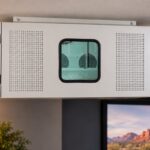
Defender Series Projector Enclosure
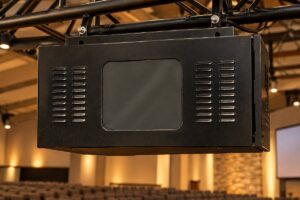
Integrator Series Projector Enclosure
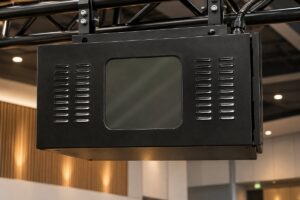
Hush Series Projector Enclosure
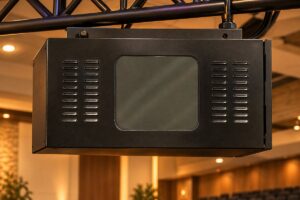
UST Defender Series Enclosure
HomeLine Projector Enclosure
Projector Enclosure Fit Guide
A Practical Guide to Outdoor Projector Enclosures in Louisiana