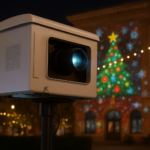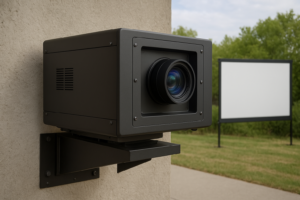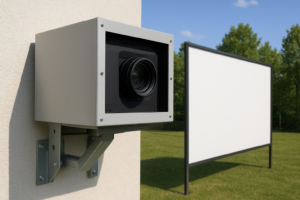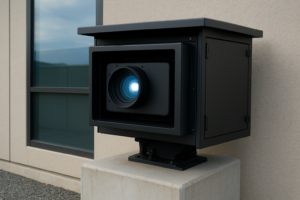

Projection Mapping Enclosures For Architectural Lighting Projects
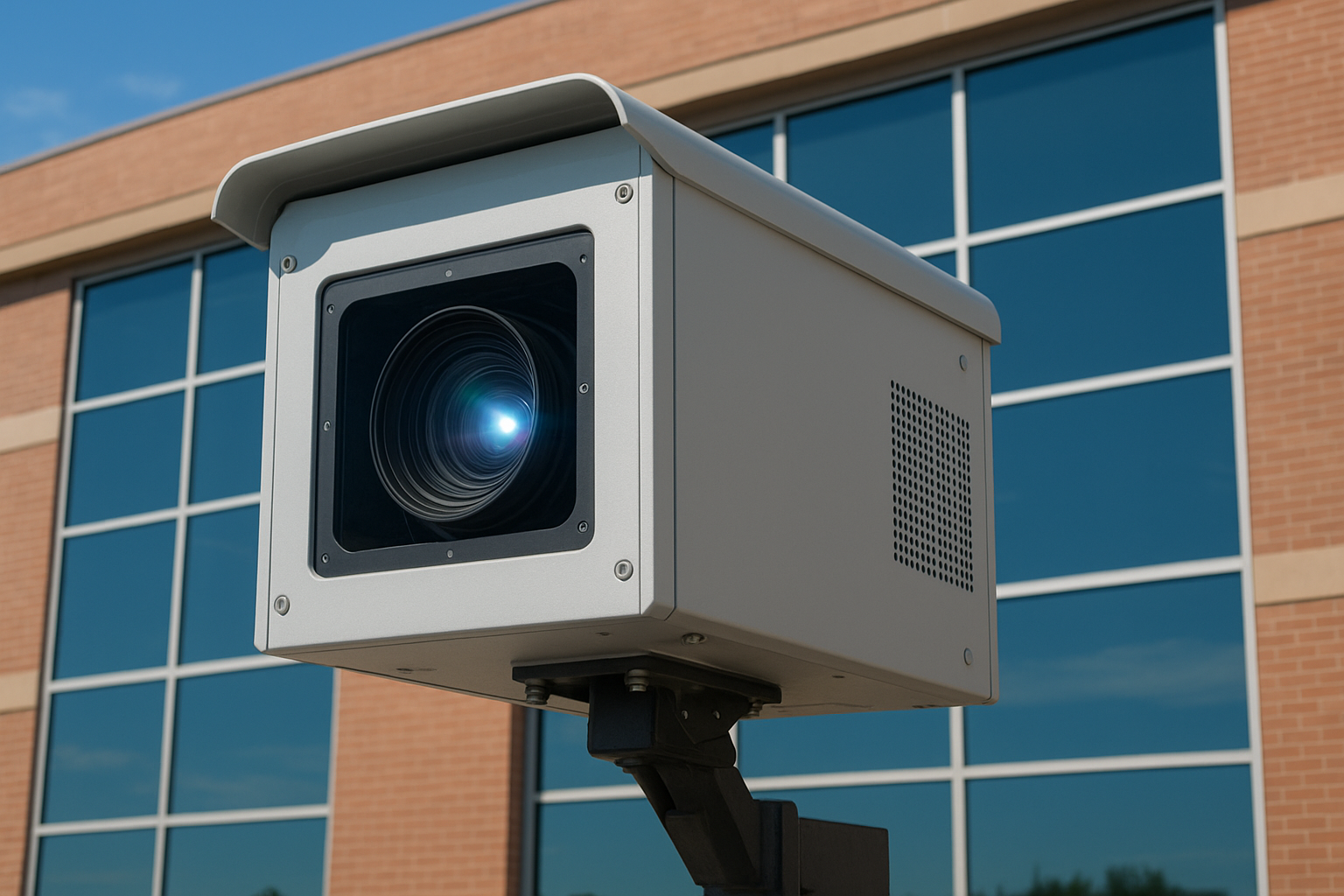
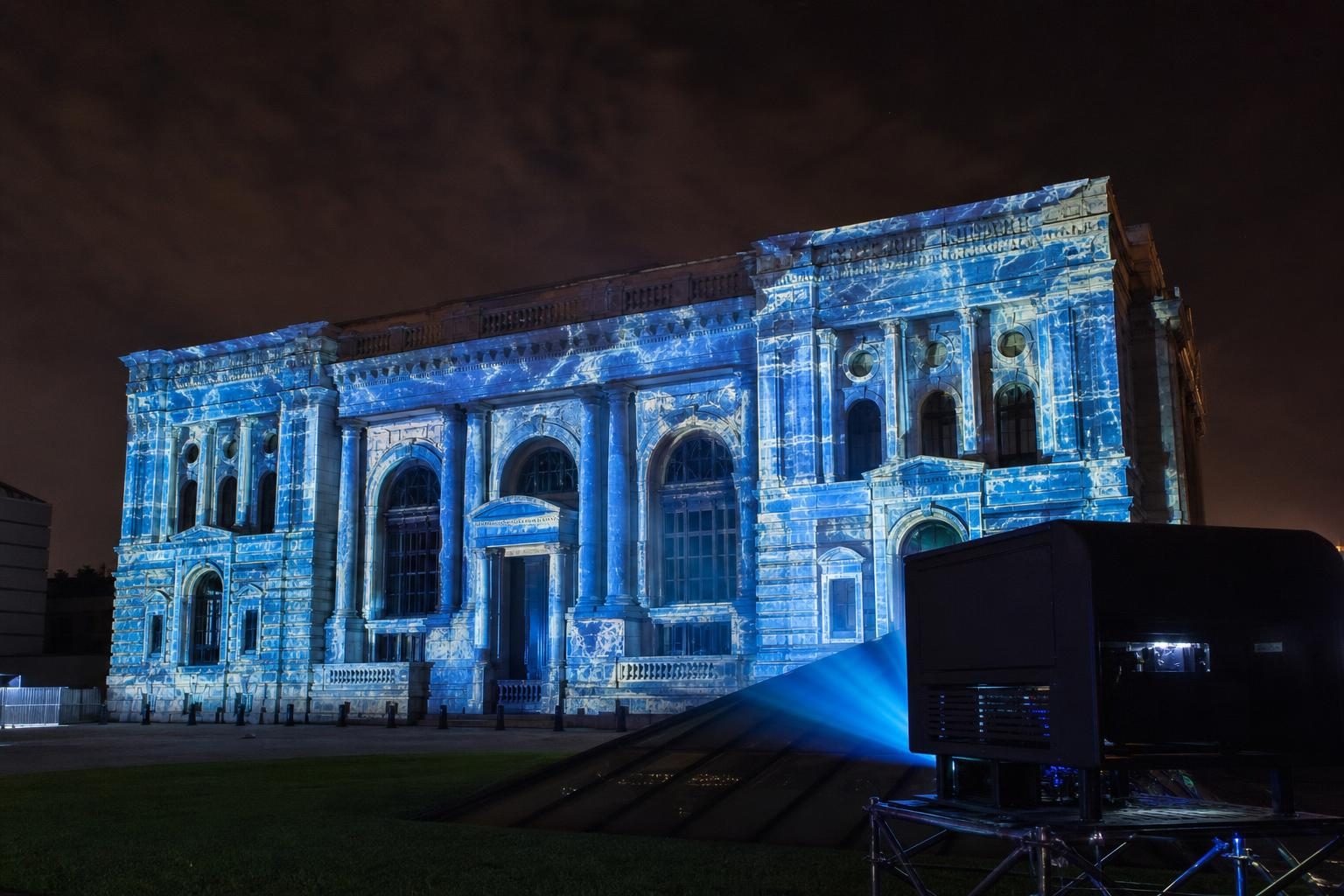
Architectural lighting designers, AV integrators, and commercial property owners use projection mapping enclosures for architectural lighting projects to support projector placement in indoor and outdoor commercial applications. Enclosure selection should account for the projector, operating environment, environmental exposure, airflow, cable routing, service clearance, and installation duration.
Why Use Projection Mapping Enclosures for Architectural Lighting?
Projection mapping transforms buildings into visual surfaces for public events, brand activations, and longer-duration installations. For outdoor applications, review projector placement, enclosure class, environmental exposure, airflow, access, and project requirements.
When reviewing projector enclosure systems, document these project-selection considerations:
- Environmental exposure and installation conditions
- Project-specific temperature and humidity requirements
- Dust, debris, site access, and physical security requirements
- Sound requirements for indoor or sound-sensitive spaces
Comparison Table: Outdoor Projector Enclosures vs. Indoor Projector Setups
| Feature | Outdoor Enclosure | Traditional Indoor Setup |
|---|---|---|
| Environmental Planning | Evaluate enclosure class for the operating environment | Review room conditions and project requirements |
| Temperature Management | Fan-cooled or climate-controlled options | Review room conditions and projector requirements |
| Physical Security | Review project-specific physical security requirements | Review site access and security requirements |
| Sound Requirements | Consider Hush for indoor or sound-sensitive installations | Review projector noise and room requirements |
| Application | Outdoor architectural lighting, large-scale mapping | Conventional indoor AV |
How to Plan Projector Enclosure Selection
ProjectorEnclosure.com provides projector enclosure solutions, including fan-cooled and climate-controlled projector enclosures. Selection should be based on projector dimensions, thermal load, airflow, operating environment, service access, and project requirements.
Commercial AV installations, interactive art, longer-duration displays, and temporary shows can present different enclosure requirements. Review structural conditions, installation access, site circulation, projector placement, and maintenance needs for each project.
Commercial Enclosure Selection Ladder
Integrator: For more demanding controlled or covered commercial environments where professional projector integration, airflow, fitment, access, and installation requirements must be reviewed.
Defender: For harsh or permanent outdoor environments where stronger environmental protection and project-specific operating conditions need to be evaluated.
Hush: For indoor or sound-sensitive environments where projector noise is an important design consideration.
Projection Mapping Enclosures For Architectural Lighting Projects: Key Selection Considerations
- Environmental Protection: Select the enclosure class according to exposure, operating environment, airflow, and project requirements.
- Thermal Planning: Review projector thermal load, intake and exhaust airflow, and operating conditions.
- Physical Security: Include site access and security requirements in project review and enclosure selection.
- Fitment: Review projector dimensions, lens position, connectors, cable routing, and service clearance.
- Lifecycle Planning: Consider installation duration, maintenance access, and service requirements.
For professional projector enclosures and larger fan-cooled projector enclosure projects, review projector dimensions, lens geometry, throw distance, projector count, operating environment, and installation scale.
Planning a Commercial Architectural Projection Mapping Project
Document projector dimensions, lens position, throw distance and placement, intake and exhaust airflow, thermal load, cable routing, service clearance, expected environmental exposure, installation duration, sound requirements, projector count, multi-projector geometry, maintenance access, audience and site circulation, enclosure location, and power and data planning.
Architectural and facade applications may include hotels, civic buildings, museums, campuses, retail facades, convention or entertainment venues, exhibits, branded activations, immersive environments, recurring shows, public attractions, and destination installations. These are application examples, not SSI portfolio claims.
For seasonal retail, civic, hospitality, or event-based holiday displays, use the commercial holiday projection-mapping guide. Compare fan-cooled enclosure guidance and climate-controlled enclosure guidance according to project requirements.
Residential guidance remains separate: use the house projection-mapping guide or the residential holiday projection-mapping guide.
Common Mistakes in Projection Mapping Enclosure Selection
- Ignoring environmental exposure: Outdoor installations require enclosure selection based on exposure, airflow, projector requirements, and installation conditions.
- Underestimating thermal requirements: Review projector thermal load, intake and exhaust airflow, and the operating environment during enclosure selection.
- Poor placement: Review sightlines, airflow, site circulation, and maintenance access before fixing the enclosure location.
- Not reviewing humidity and condensation: Include expected temperature and humidity conditions in the enclosure-selection process.
- Overlooking sound requirements: Consider Hush for indoor or sound-sensitive installations where projector noise must be controlled.
Evolving Project Planning Considerations
- Monitoring Requirements: Define any monitoring and alert needs during project planning.
- Physical Constraints: Review enclosure dimensions, appearance, and available installation space.
- System Integration: Coordinate projector, media, signal, control, lighting, and sound requirements.
- Sustainability Requirements: Include energy, materials, maintenance, and reuse goals in project review.
- Site Security: Document access and physical security requirements without assuming enclosure features.
Professional Projection Mapping Software
Professional projection-mapping workflows may use tools such as HeavyM, MadMapper, Resolume Arena, or TouchDesigner depending on media workflow, mapping complexity, show control, projector configuration, and project requirements.
FAQ: Projection Mapping Enclosures For Architectural Lighting Projects
- How should the operating environment affect enclosure selection?
- Review environmental exposure, expected temperature and humidity conditions, projector thermal load, airflow, and installation duration before selecting an enclosure class.
- How should unique project constraints be handled?
- Document projector dimensions, lens position, connectors, airflow, cable routing, service clearance, and site constraints for project review.
- Can I retrofit an enclosure to an existing projector?
- Review physical fit, lens position, intake and exhaust paths, connector clearance, and cable routing for the existing projector.
- Which enclosure is right for my projector?
- Enclosure selection depends on projector dimensions, lens position, thermal load, airflow, location, environmental exposure, installation duration, and service requirements.
- Where can I see examples of architectural projection mapping?
- Review relevant architectural projection-mapping references and project documentation when defining the application requirements.
Get Started with Projection Mapping Enclosure Solutions
For an architectural projection-mapping project, document the projector, lens, airflow, environmental exposure, installation duration, projector count, service access, and site constraints. Review fan-cooled, climate-controlled, or project-appropriate enclosure options against those requirements.
Ready to discuss your project requirements? Contact our enclosure team or call 888-631-5880. Review projector enclosure options according to the operating environment and required level of protection.
Projection Mapping Enclosures For City Events: Protecting Your Investment In Outdoor AV