
Seattle Guide: Protecting Outdoor Projectors for Projection Mapping Shows
Seattle Guide: Protecting Outdoor Projectors for Projection Mapping Shows
As Seattle’s holiday and event projection season arrives, learn to protect your outdoor projector from local rain, wind, and salt air. This guide covers enclosure selection, power, permits, and installation planning for both homeowners and professionals.
Why Seattle’s Climate Demands Serious Outdoor Projector Protection
Holiday and Halloween projection mapping shows are lighting up houses, churches, and storefronts across the Seattle area with dazzling displays, but the city’s wet, windy, and salty climate poses tough challenges for delicate electronics. ProjectorEnclosure.com has seen that sudden winter storms, persistent drizzle, and even dusty summer winds on the Sound can easily compromise unprotected equipment. As projection mapping grows in popularity for seasonal displays and events, planning an all-weather strategy becomes an essential step—not only to wow your audience, but also to protect your investment and avoid mid-show failures.
Seattle’s climate brings heavy autumn rains, frequent gusty winds, and occasional blasts of salt air from Puget Sound. Humid conditions can encourage condensation, and cold nights risk outright freezing. Running your projector outdoors—even in a carport—exposes it to all these hazards. For any homeowner or AV professional planning an outdoor holiday mapping event or permanent building projection, the right enclosure is crucial.
This guide explains how local weather, dust, and coastal salt challenge outdoor projection mapping—and how to select and plan projector enclosures that can handle Seattle’s unique extremes all season long.
Combatting Rain, Humidity, and Wind: Key Weather Considerations
Seattle’s rainfall is legendary, especially from late October through April, with frequent storms that can turn a festive house or business display into a wet disaster in minutes. High humidity means water vapor may build up even if rain never falls directly on your equipment. Unprotected electronics are no match for these conditions, and DIY covers rarely provide enough shielding for continuous outdoor use.
Salt from nearby marine air and road dust kicked up on windy days also make their way onto your projector, potentially accelerating corrosion or causing heat sinks to clog. Furthermore, gusty winds can drive rainwater and particles into any vent or gap, risking short circuits or optical problems—an especially serious concern for projector mapping shows that must run for hours in unpredictable weather.
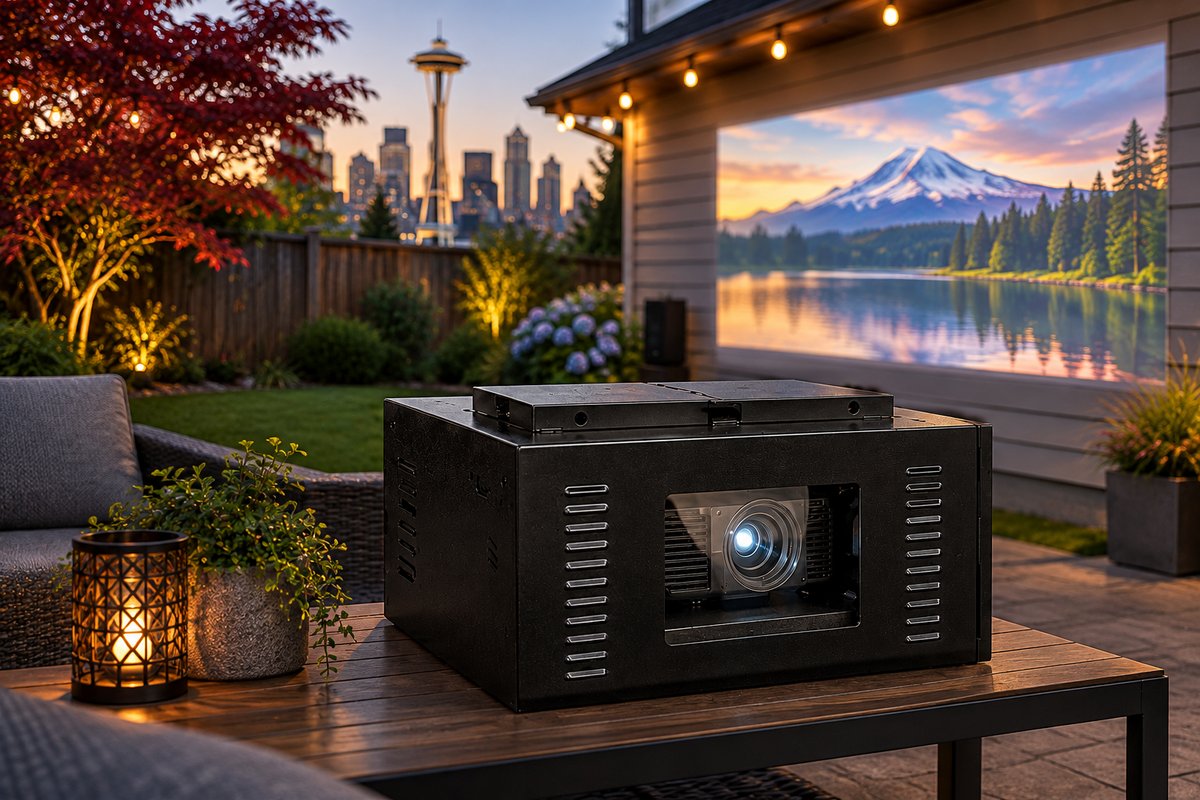
Both the Defender Series Projector Enclosure and the UST Defender Series Enclosure provide IP66-equivalent protection against dust and powerful water jets, making them well-suited to Seattle’s wet seasons. For home displays, the HomeLine Projector Enclosure is tailored for residential projection mapping needs. Always plan for the worst weather and monitor changing conditions using the Seattle weather forecast.
Choosing the Right Projection Mapping Projector Enclosure
Not all enclosures are engineered equally, and one size rarely fits all. Selecting a projection mapping projector enclosure depends on your projector’s size, cooling needs, and the location’s exposure. For temporary holiday house mapping, you want quick setup and takedown, while permanent façade or building mapping projects require robust mounting and long-term shielding from the Pacific Northwest elements.
The Defender Series is designed for a wide range of standard projectors, with custom sizing available, making it a top pick for Seattle storefronts, event venues, and churches planning reliable shows through storm season. The UST Defender is intended for ultra-short-throw setups close to walls—a common scenario for residential mapping where space is limited between house and sidewalk. Each enclosure offers all-weather IP66-equivalent protection but is tailored for specific projection optics and throw distances.
The HomeLine serves homeowners aiming to create DIY Halloween or holiday house projection mapping displays. Enclosure sizing is based on your specific projector model, so always check the Projector Enclosure Fit Guide to ensure the right fit. Send your projector’s make and model to ProjectorEnclosure.com’s team for expert sizing recommendations.
Ensuring Power Reliability and Safety Outdoors
Running a high-brightness projector, media player, and any supplemental lighting for projection mapping requires stable, outdoor-rated electrical power. Seattle’s winter outages—whether from wind, ice, or falling branches—can derail shows or risk damaging gear if power surges occur. Before installation, review recent and upcoming disruptions with Seattle City Light’s outage map and consider weatherproof outdoor receptacles and surge protection as a baseline for any permanent outdoor setup.
For safety, use ground-fault circuit interrupter (GFCI) outlets on all extension cords or outdoor connections, and keep all plugs off wet ground—especially important in the drizzly neighborhoods stretching from Ballard to Renton. Avoid sharing circuits with heavy appliances or holiday lights, which may overload home wiring during busy winter evenings. For larger or professional installs, a licensed electrician can design a dedicated circuit and confirm safe grounding.
All outdoor installations should use cords and power strips rated for outdoor use, and power access points should be planned close to the projector enclosure location to avoid trip hazards and voltage drops over long cables. For further precautions, regularly inspect power lines for weather damage and always test backup equipment after any reported power outage.
Smart Mounting and Placement for Seattle Buildings and Homes
Seattle’s dense neighborhoods and variable architecture—from Queen Anne houses to modern Westlake office blocks—demand careful planning for secure, discreet mounting. Outdoor projector enclosures are heavy, so they must be attached to sturdy walls, decks, or ground anchors that can bear both the enclosure and the projector, plus withstand wind gusts and driving rain.
Make sure your planned mounting site has adequate clearance for air flow and routine maintenance. For ultra-short-throw shows where the enclosure will be placed close to the projection surface, the UST Defender Series Enclosure offers a purpose-built design for tight spots. For rooftop or soffit installations, ensure ladders and tools won’t cause leaks or damage to siding, shingles, or existing roof penetrations.
Seattle’s sloped lots may require creative solutions, and uneven terrain increases the importance of rigid anchoring and level mounting—use shims if needed for stability on patios or sloped sidewalks. Avoid placing enclosures where direct splash from downspouts or snowmelt can accumulate around the base.
Planning Ventilation for Year-Round Performance
Even with cool Seattle nights, projectors generate heat when running hours-long projection mapping shows. All-weather enclosures must balance protection against rain and dust with effective passive and active ventilation for the specific projector inside. Without enough air movement, excess heat may shorten lamp or LED panel life, cause color shifts, or force emergency shutdown mid-show.
ProjectorEnclosure.com’s Defender Series and UST Defender Series models are engineered with all-weather ventilation to allow safe outdoor operation through wet, windy, and salty conditions. Their IP66-equivalent build shields from water and dust, but their airflow systems are tailored to maintain optimal internal temperatures based on the user’s projector model. For residential use, the HomeLine also balances cooling and weather protection, ideal for multi-night holiday or Halloween displays in mild or stormy weather.
To ensure long-term reliability, check vents regularly for debris or ice, especially after windstorms or heavy leaf fall. During planning, position your enclosure to maximize air circulation and avoid blocking fans or louvers with plants, fences, or decorative lights. Always provide the precise projector model to ProjectorEnclosure.com to receive a ventilated enclosure matched to its requirements.
Permits and Local Compliance for Outdoor Projection Shows
City regulations can affect outdoor projection mapping shows—especially for building façade displays, public venue events, or commercial storefront projections visible to public rights-of-way. Depending on the size, brightness, and duration of your mapping event, different permitting rules may apply. For Seattle, check current requirements directly with the relevant city permitting office, as guidelines may change and can be project-specific.
Generally, temporary house shows for holidays may not require special permits if projection is limited to your own property and does not create excessive glare or traffic hazards. Permanent or business installations, however, might need review for electrical work, public display, light trespass, or even historic-district guidelines in parts of the city. AV integrators and event producers should allow extra lead time for review around major event seasons.
It is always best to consult the city for up-to-date advice based on your address and display scale. This helps avoid last-minute issues, and ensures your project is safe as well as spectacular. If running power from a business or school, consult site facilities for further safety and compliance review.
Tips for Hassle-Free Outdoor Map Projection Shows
- Always monitor power outages in Seattle before show nights, and test outlets ahead of time.
- Use the local weather forecast to schedule setup and takedown during dry periods.
- Label and inventory all cabling, adapters, and lenses before installation to avoid night-of surprises.
- For home or house projection mapping, consider the Projector Enclosure for House Projection Mapping for easy fit and access.
- Perform a dry run at least one day before your planned event to spot any environmental or power issues.
Frequently Asked Questions: Outdoor Projector Enclosures in Seattle
How do I know which enclosure fits my projector?
Enclosure sizing depends on your projector’s make and model, as well as placement and installation style. Use the Projector Enclosure Fit Guide and contact ProjectorEnclosure.com with your projector details to receive a tailored recommendation.
Can I use a projector enclosure in my backyard during Seattle’s rainy season?
Yes—outdoor models like the Defender Series Projector Enclosure, UST Defender Series Enclosure, and HomeLine Projector Enclosure are designed for year-round Seattle conditions. These provide the IP66-equivalent protection needed to keep rain, dust, and salt air away from your equipment during shows.
Do I need a permit for a holiday house projection show?
Temporary residential displays usually do not require a special permit if they remain on your property and do not cause light nuisance. For commercial events or public-facing setups, requirements can vary—always check with Seattle’s office for details specific to your project.
Conclusion: Ready for Seattle’s Next Great Projection Mapping Show?
Seattle’s rainy, windy seasons make robust outdoor projection mapping projector enclosures a necessity—whether you’re lighting up your home for the holidays, producing immersive events, or projecting on business facades. Defender Series, UST Defender, and HomeLine enclosures from ProjectorEnclosure.com are designed to keep your show safe and bright, no matter what the Pacific Northwest throws your way. Send in your projector model to size your enclosure, or Request an enclosure quote today and bring your most ambitious outdoor mapping ideas to life this season.
Supplies mentioned in this guide
Defender Series Projector Enclosure
UST Defender Series Enclosure
HomeLine Projector Enclosure
Projector Enclosure for House Projection Mapping
Projector Enclosure Fit Guide
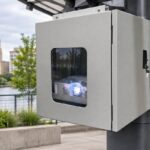
Real-World Projection Mapping: How Buffalo Uses Projector Enclosures