
A Practical Guide to Outdoor Projector Enclosures in St. Petersburg, FL
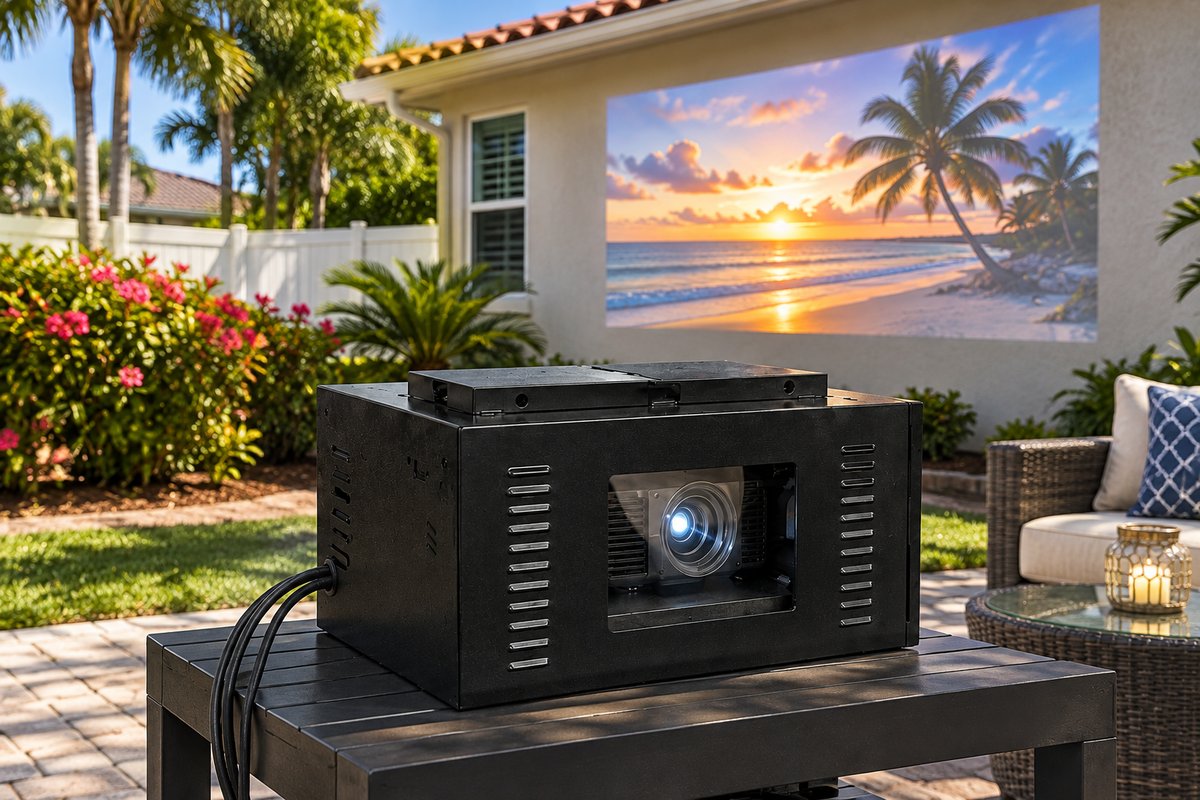
A Practical Guide to Outdoor Projector Enclosures in St. Petersburg, FL
Thinking about an outdoor projector in St. Petersburg, FL? Discover how heat, humidity, storms, and salty air impact tech—and how to safeguard your system with the right enclosure and setup.
St. Petersburg’s Coastal Climate: Unique Challenges for Outdoor Projection
When planning an outdoor projector setup in St. Petersburg, FL, your first priority should be understanding the local climate. St. Pete’s hot, humid summers and abundant sunshine create tough conditions for electronics—especially those as sensitive as projectors. Temperatures regularly hit the 90s, and high humidity places year-round stress on delicate circuitry. Add salt-laden air blowing in from Tampa Bay and the Gulf, and you have a recipe for corrosion and degradation of outdoor AV equipment.
Sudden weather changes aren’t uncommon, either. Heavy summer storms, high winds, and even hurricane threats mean any outdoor technology needs robust protection from water and airborne debris. For businesses, schools, resorts, or homeowners envisioning outdoor movie nights or digital signage, the outdoor environment of St. Petersburg demands smart protective strategies.
By properly addressing heat, humidity, salt exposure, and dust, a professionally chosen outdoor projector enclosure can dramatically extend the life of your projector while ensuring peak performance. At ProjectorEnclosure.com, we work with local installers and end users to specify solutions tailored for the most extreme coastal climates.
How Heat, Humidity, and Salt Air Affect Projectors
Electronics are vulnerable to more than just rain. Summer heat causes internal components to overheat, often leading to premature failure or projector shutdowns in the absence of adequate cooling. Even if shaded, enclosures can reach extremely high internal temps, making climate-controlled solutions a necessity rather than a luxury.
Humidity presents a subtler threat by promoting condensation inside both the projector and the enclosure itself. In St. Petersburg, high moisture levels speed up corrosion, especially when combined with salt air. These corrosive elements can degrade contacts, circuit boards, and even optics, resulting in image quality loss and frequent maintenance headaches.
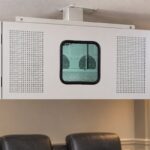
It’s essential to consider weatherproof projector housing designs that actively manage both heat and humidity. Defender Series Projector Enclosure incorporates both fan cooling and climate control engineered for open-air, coastal environments like St. Pete’s — an ideal choice for commercial, educational, and residential outdoor projection.
Planning Power and Electrical Connections
Reliable, safe, and code-compliant power is the foundation of any successful outdoor AV installation. Running power to an outdoor projector enclosure requires careful planning to determine the appropriate amperage, weather-resistant wiring, and shut-off options. It’s important to assess your power needs before beginning construction and to consult your electrician for proper wire gauge and outlet placement.
For new or upgraded electrical service, review the resources provided by Tampa Electric Start Service to coordinate with your utility provider about available capacity and required service installation. Each projector model, paired with its enclosure, has unique power needs—factor in the load from climate control components such as fans and dehumidifiers.
Safe electrical design also includes protections against power surges, especially in an area prone to lightning activity like St. Petersburg. Discuss with your electrician about surge protectors and GFCI receptacles for outdoor-rated connections.
Mounting and Structural Considerations for Projector Enclosures
The Gulf Coast’s high winds and flying debris during storm season require that outdoor projector enclosures be securely anchored. Whether wall-mounted, ceiling-suspended, or pole-mounted, the installation method must factor in both projector weight and the added size and mass of the enclosure. Materials should be corrosion-resistant — aluminum or treated steel are more durable in a salt-air climate than untreated metals.
Work with professional installers to ensure that mounting hardware and anchoring techniques meet both safety needs and local code requirements. Mounting surfaces (such as masonry walls or structural poles) should be inspected for strength. It is also beneficial to allow for easy enclosure access for projector servicing and cleaning, which can be achieved by thoughtful placement and hardware selection.
If conducting a site survey, note the exposure to direct sunlight throughout the day. Positioning the enclosure in a shaded area can further reduce heat load and improve equipment longevity, even with a robust climate-controlled outdoor projector enclosure.
Enclosure Sizing: How to Fit Your Projector and Accessories
Choosing the right outdoor projector housing means matching the enclosure to your projector’s make and model—not just for size, but also for ventilation, lens position, input cable routes, and any accessory devices (like media players or WiFi bridges). Each component that goes inside the box affects airflow and heat management.
At ProjectorEnclosure.com, we simplify sizing with a handy Projector Enclosure Fit Guide. By submitting your projector’s exact model, we ensure the enclosure you receive is properly dimensioned, with optimal internal clearances and airflow paths for both cooling and cable management. Customizations can include ports for specific input types, exhaust positions, or even windows for ultra-short-throw projectors.
For special installs—such as edge-blending, projection mapping, or large-venue dual-stacks—reach out early in the design process with your complete AV equipment list. Our decades of experience enable us to support both typical and complex configurations common in St. Petersburg’s venues and attractions.
Ventilation and Active Climate Control: Must-Have Features
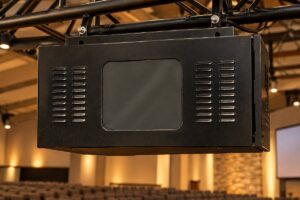
In St. Pete’s environment, passive weatherproof projector housings are rarely sufficient—active ventilation with high-reliability fans and smart airflow routing are essential. The Defender Series Enclosure is specifically engineered for harsh outdoor environments, with internal circulation fans, air filters to block dust and pollen, and optional climate-control modules to manage both heat and humidity.
For ultra-short throw projectors, enclosure airflow becomes even more critical due to compact placement and optics orientation; consider the UST Defender Series Enclosure for these advanced setups. Ensuring a clean air supply and keeping temperatures within the projector’s safe operating range will drastically reduce breakdowns and image quality loss due to condensation or dust accumulation.
Regularly check St. Petersburg’s real‑time weather data to anticipate days with extreme heat or humidity, and plan preventative maintenance such as filter checks or pre-storm inspections accordingly.
Permitting, Site Surveys, and Local Codes
Any permanent or semi-permanent installation, especially in commercial or educational settings, may require sign-off from local authorities. Permits might be required for electrical upgrades, exterior mounting, or additions to publicly visible areas. Requirements vary based on zoning, type of property, and proximity to coastal zones.
While ProjectorEnclosure.com provides complete housing and mounting solutions, always check with your municipality’s permitting office or refer to your project team for the latest requirements. The services linked through Tampa Electric Start Service can advise on electrical safety and inspection timelines.
For homeowners or small commercial venues, sometimes only a basic inspection or electrical permit is necessary. For larger projects (theme parks, schools, or resorts), a full site survey and engineering plan may be needed. The planning effort pays off long-term in safety, compliance, and insurance coverage.
Choosing the Right Enclosure: Product Options for Every Outdoor Environment
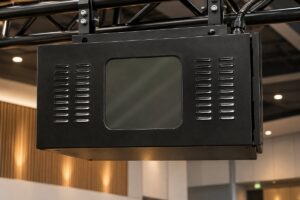
Not every enclosure is made for the stress of St. Pete’s sun and salt air. For direct exposure and all-season protection, always specify the Defender Series Projector Enclosure. It’s designed for tough environments, actively cooling and filtering air while protecting against water and airborne particulates.
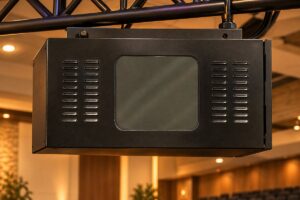
For shaded, covered, or indoor-but-open installs (such as pavilions or conditioned lobbies), the Integrator Series Projector Enclosure offers climate-controlled reliability without the overengineering required for outdoor storms. Never use the Hush Series outdoors—this is tailored for quiet, indoor rooms. Consumer-focused projection mapping or smaller home displays can benefit from the HomeLine Projector Enclosure, a flexible solution for creative home use.
Matching your projector enclosure to your projector and project requirements isn’t just good practice—it’s critical in St. Petersburg’s challenging climate. For assistance with fit and accessories, reference the Projector Enclosure Fit Guide and send us your projector model and installation goals.
FAQ: Outdoor Projector Housing in St. Petersburg, FL
How does St. Pete’s summer weather impact projector enclosure choices?
Consistent heat, high humidity, and salty air can quickly damage electronics not designed for these elements. Always select a purpose-built outdoor enclosure, like the Defender Series, to ensure proper cooling, ventilation, and corrosion resistance in this climate.
What’s needed to connect power to my outdoor projector enclosure?
Consult your electrician to evaluate loads and specify outdoor-rated wiring and GFCI-protected outlets. If you’re setting up new service, consider using Tampa Electric Start Service to coordinate with the utility for safe, compliant connections.
Is a permit required to install an enclosure outdoors?
Regulations vary by property type and project size. Always check with your local permitting office or project team, especially when new wiring or exterior mounting is involved. Electrical upgrades usually require at least a basic inspection.
Ready to Protect Your Projector from St. Petersburg’s Elements?
Heat, humidity, salt, and wind are facts of life in St. Petersburg, FL—but with the right planning, power, and enclosure design, you can enjoy reliable, long-lasting outdoor projection. Request a right-sized enclosure by sending your projector model and project specs to ProjectorEnclosure.com. Our team has more than 20 years’ experience helping venues, schools, resorts, and homeowners protect their AV investments.
Request an enclosure quote or contact us at 888-631-5880 or ssisales@ssidisplays.com to discuss your project today!
- Tampa Electric Start Service – Set up or modify power supply for your outdoor AV project.
- NWS Current Conditions for St. Petersburg – Check daily heat, humidity, and rain thresholds for outdoor installations.
Supplies mentioned in this guide
Defender Series Projector Enclosure
Integrator Series Projector Enclosure
Hush Series Projector Enclosure
UST Defender Series Enclosure
HomeLine Projector Enclosure
Projector Enclosure Fit Guide
A Practical Guide to Outdoor Projector Enclosures in Palm Coast, FL