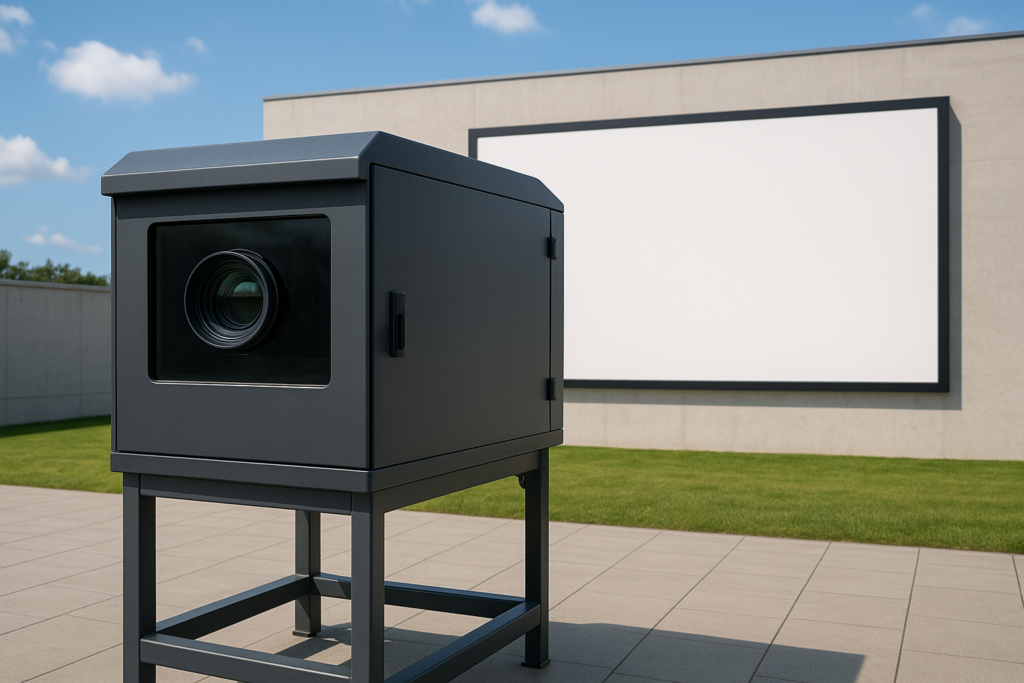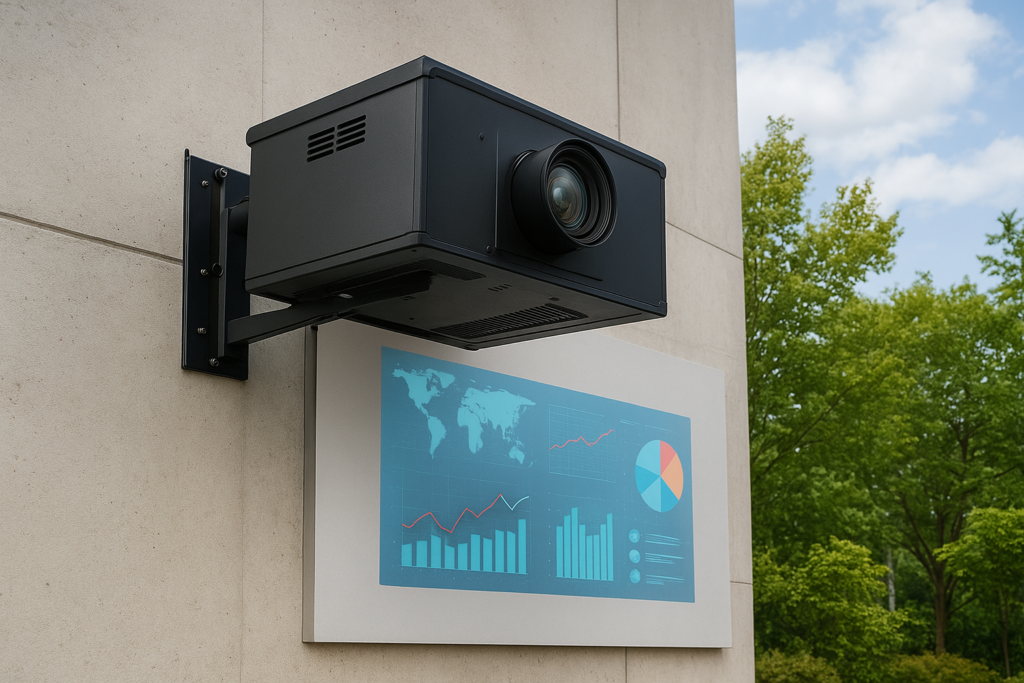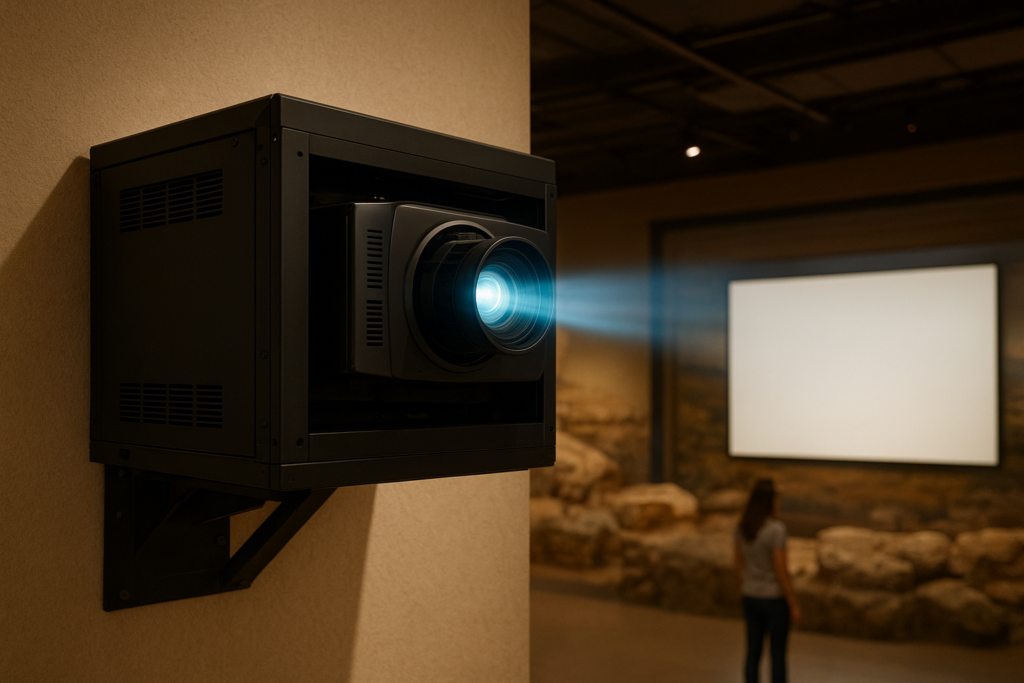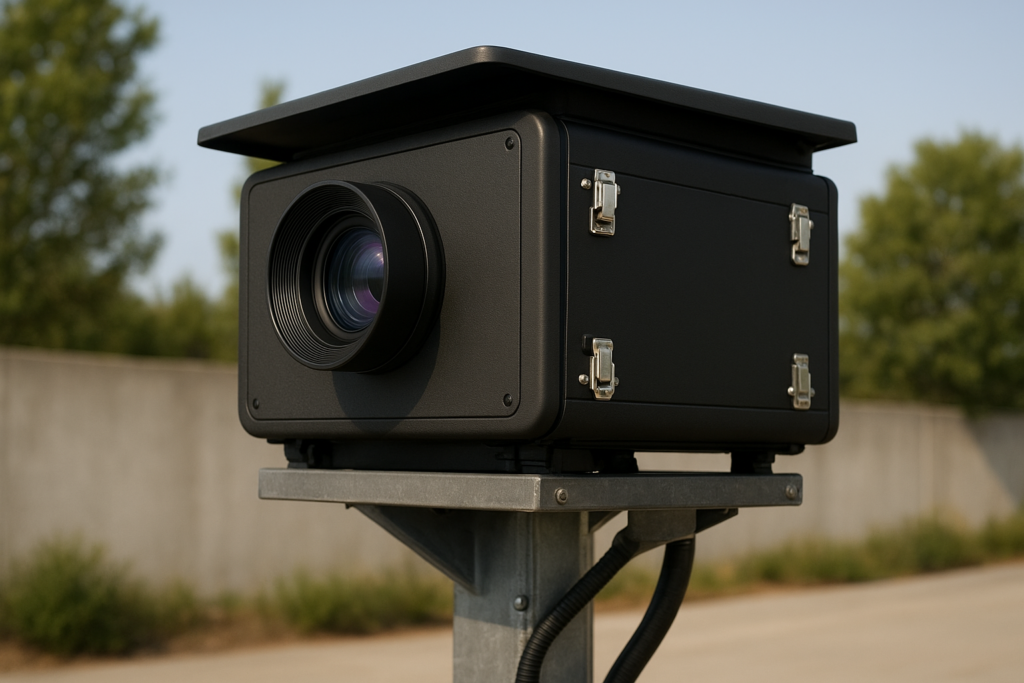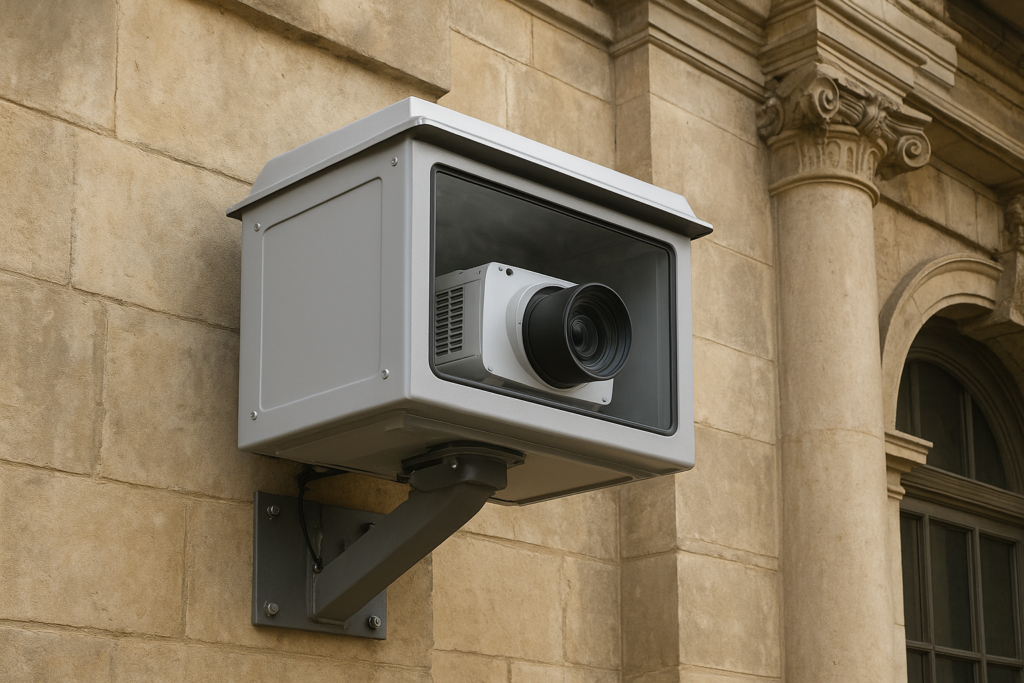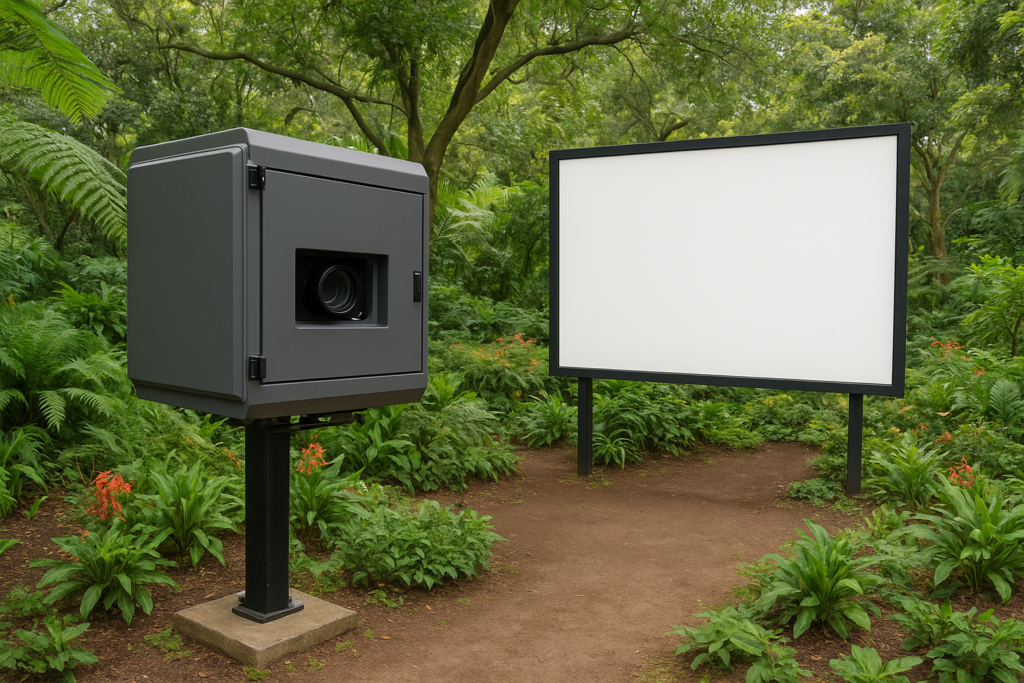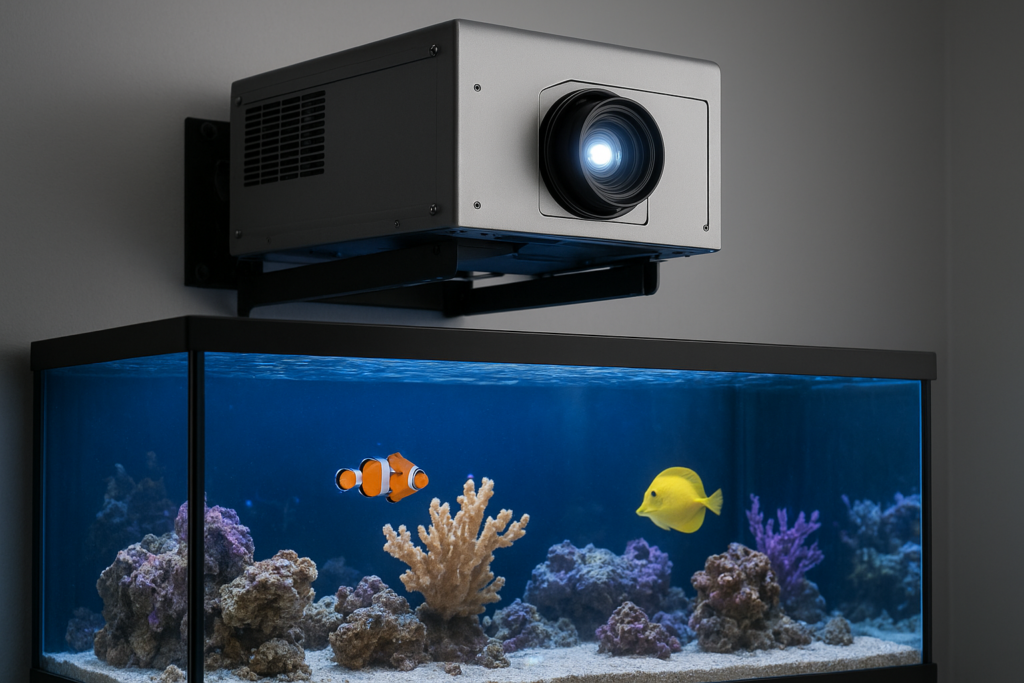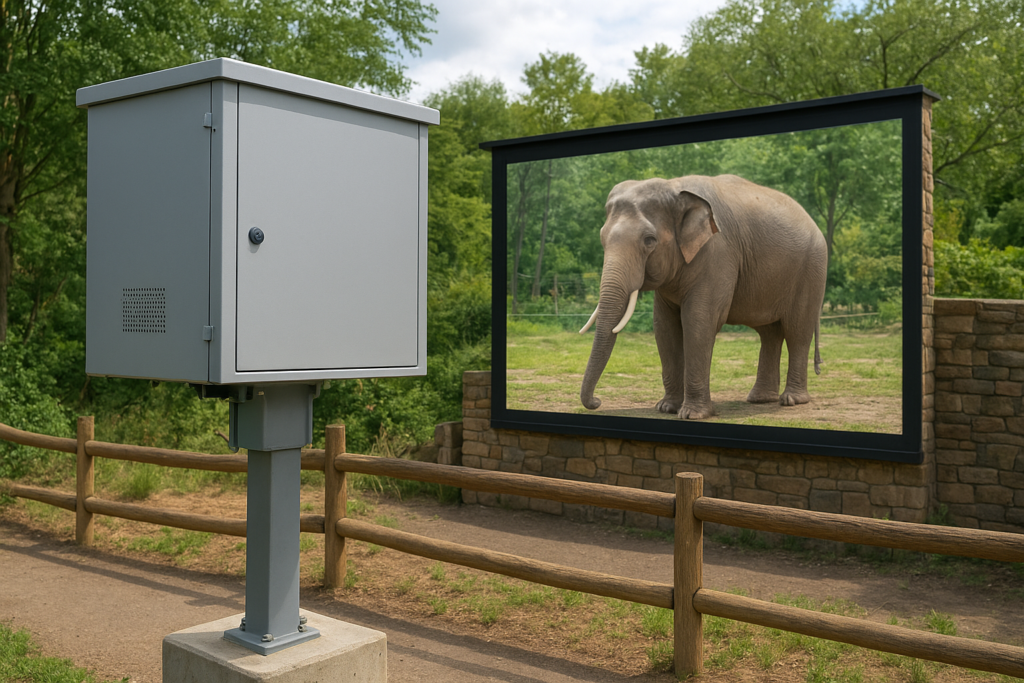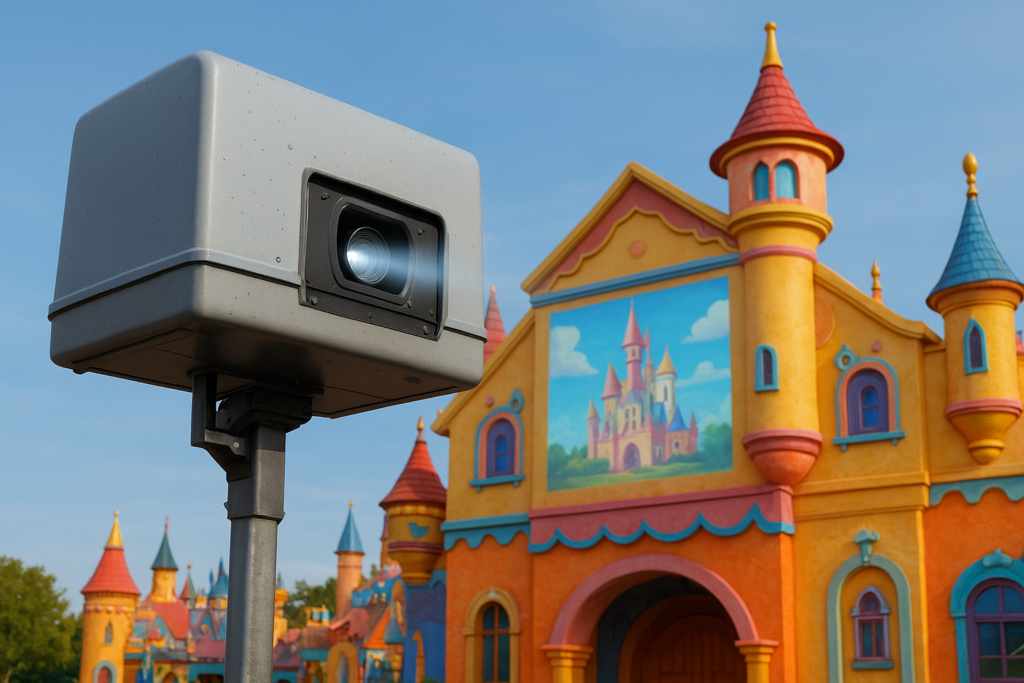

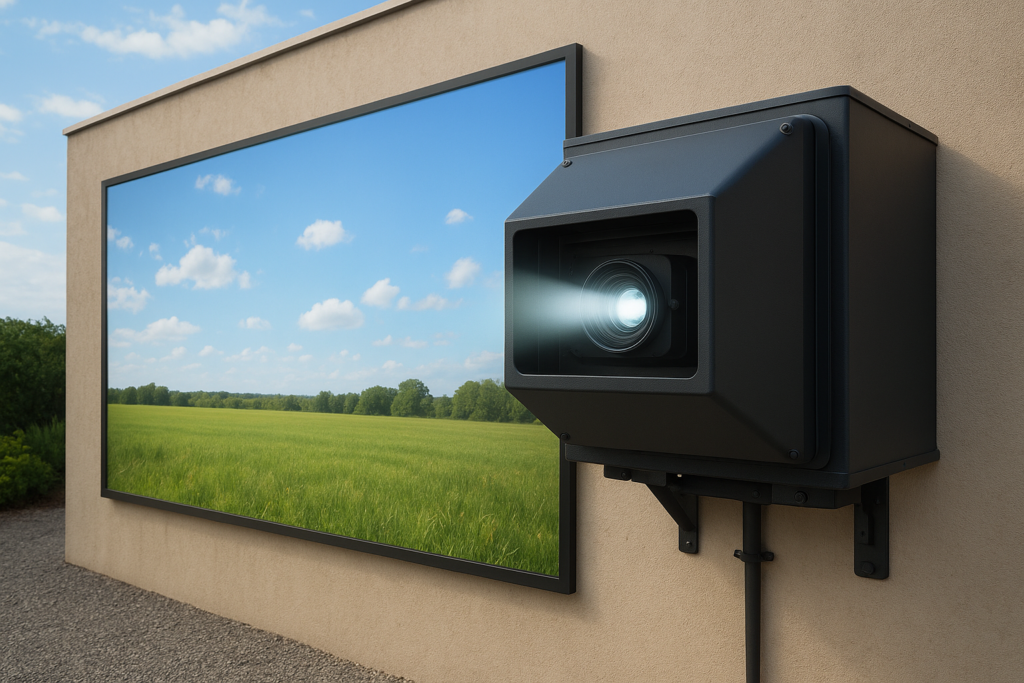
Projector Enclosures For Mission Critical Installations: The Ultimate Guide

Projector Enclosures For Mission Critical Installations: Why Protection Matters

For organizations that can’t afford downtime, the need for Projector Enclosures For Mission Critical Installations is more important than ever. These projects—often involving outdoor environments, large-scale projection mapping, or high-visibility public displays—require projector systems that can perform reliably, regardless of temperature, weather, or attempted tampering. ProjectorEnclosure.com specializes in advanced projector enclosure solutions, ensuring your projector investment is safe and performing at its peak. Whether you’re tasked with delivering flawless AV for a large event, museum, stadium, or commercial facility, choosing the right enclosure is critical.

What Makes an Installation Mission Critical?

Mission critical AV installations are defined by the absolute need for uninterrupted operation. These include:

  • 24/7 projection mapping for entertainment districts or public infrastructure
  • Emergency operation centers with real-time visual information
  • Sporting venues, casinos, or control rooms where downtime causes revenue loss
  • Large-scale outdoor events, where inclement weather threatens technology

In these environments, projectors are a significant investment—and the risks posed by dust, temperature extremes, vandalism, or water ingress can’t be ignored. For many integrators and facilities, professional projector enclosure products are as important as the AV equipment itself.

The Role of Projector Enclosures For Mission Critical Installations

Let’s break down why choosing high-quality, purpose-engineered projector enclosures from a trusted manufacturer like ProjectorEnclosure.com will help ensure flawless performance and protect your bottom line.

Key Features to Look For

  • Complete Weatherproofing: NEMA or IP-rated enclosures defend against rain, sleet, dust, and debris.
  • Thermal Management: Options like fan-cooled projector enclosures, climate-controlled, or air-conditioned enclosures keep internal temperatures optimal.
  • Anti-Tamper Design: Physical security, locks, and reinforced panels deter theft and vandalism.
  • Service Accessibility: Easy access for lamp replacement and maintenance without risking security or weatherproofing.
  • Projection Mapping Compatibility: Clear, anti-reflective optical glass and mounting options for specialized AV setups.

Comparison: Mission Critical vs. Standard Projector Enclosures

Feature Mission Critical Enclosure Standard Enclosure
Weatherproofing Full NEMA/IP Rated, All-Weather Basic, Indoor-Only
Thermal Control Dynamic (Fan or AC) Passive or Minimal
Physical Security Reinforced Anti-Tamper Basic Latches
Projection Clarity Optical-Grade Viewing Windows Standard Glass/Plastic
Environmental Sensors Available (Temp, Humidity) Rare/Optional
Custom Sizing Yes Limited or Not Available

Critical Benefits of Outdoor Projector Protection

  • Extended Projector Life: Protects against thermal stress and airborne contaminants
  • Consistent Performance: Reduces maintenance and reboots due to dust or overheating
  • Maximum Uptime: Ensures mission critical displays are available 24/7
  • Adaptability: Solutions exist for both short-term and permanent installations
  • Professional Appearance: Enclosures provide a clean, robust look for commercial AV projects

If you’re designing a projection mapping spectacle or need filtered projector enclosure systems for sensitive indoor AV, you can secure your hardware and investment.

Common Mistakes in Mission Critical AV Installations

  • Ignoring Environmental Threats: Skipping weatherproofing can lead to immediate projector failure outdoors.
  • Poor Thermal Planning: Overheating from lack of fan-cooled or AC enclosures quickly reduces projector life.
  • Improper Sizing: An enclosure that’s too small restricts airflow and complicates servicing.
  • Settling for Consumer-Grade: Using off-the-shelf enclosures not engineered for commercial duty leaves hardware at risk.
  • Overlooking Access Needs: Without easy service access, every maintenance call becomes a headache.
  • Underestimating Security: Public installations need reinforced, anti-tamper features for true peace of mind.

Learn more about how an experienced enclosure manufacturer approaches environmental engineering and risk management.

Future Trends: Where Commercial AV Protection is Headed

  • Smart Sensors & Monitoring: Remote alerts for temperature, humidity, and vibration levels are becoming standard.
  • AI Integration: Predictive maintenance based on environmental and projector performance data.
  • Modular & Rapid Deployment: Enclosures that adapt quickly to new hardware or shifting project scopes.
  • Greener Materials: Eco-friendly designs including recyclable composites and reduced energy footprints.
  • Integration With AV Networks: Enclosures that connect to building management and networked AV monitoring platforms.

FAQ: Projector Enclosures For Mission Critical Installations

Why can’t I use an indoor projector enclosure outdoors?
Outdoor environments require NEMA or IP certified protection against water, dust, and UV, plus thermal controls not found on most indoor models.
What temperature ranges do advanced enclosures handle?
With fan or AC-equipped models, most support -40°C to 50°C (-40°F to 122°F) or even more with customization.
How do I clean or service the projector inside an enclosure?
Quality enclosures feature service access doors and removable panels for easy maintenance without compromising protection.
Are there silent enclosures for quiet environments?
Yes, low-noise projector housings are available for museums and corporate settings.
Can enclosures be customized for unique hardware?
Absolutely. Custom projector enclosures can be engineered for almost any projector or installation location.

Choose ProjectorEnclosure.com for Your Critical AV Projects

Protecting projectors in mission critical installations is non-negotiable. With advanced engineering, weatherproof design, integrated thermal management, and physical security, ProjectorEnclosure.com leads the industry in reliable AV protection. Their expertise covers everything from outdoor projector enclosures to hush projector enclosures for the most challenging applications.

Ready for a site-specific recommendation? Contact our enclosure team or call 888-631-5880 to discuss how to secure your investment today.

For those exploring advanced display innovations, see more at SSIDisplays.com for interactive digital signage and holographic AV technologies.

Read more

Projector Enclosures With Environmental Monitoring: Maximizing Protection For Commercial AV Installations

Projector Enclosures With Environmental Monitoring: Essential Protection For Every Commercial AV Project

As audiovisual technology advances, protecting delicate projection equipment has become more demanding than ever. That's where projector enclosures with environmental monitoring from ProjectorEnclosure.com make a crucial difference for commercial installations—especially in outdoor or unpredictable conditions. These advanced housings go far beyond simple weatherproofing, integrating intelligent monitoring systems to safeguard your investments, extend equipment life, and ensure seamless performance on even the most ambitious projects.

Why Environmental Monitoring Matters For Projector Enclosures

Commercial projection setups—whether for outdoor digital signage, architectural projection mapping, or theme park AV—face a host of challenges: extreme temperatures, airborne particulates, humidity, vibration, and even tampering. Standard projector enclosures offer limited protection, but enclosures with built-in environmental monitoring raise the bar by constantly tracking temperature, humidity, and airflow. This granular oversight allows facilities teams to proactively address risks before they cause failure or downtime, making these systems vital for mission-critical and high-value installations.

Benefits Of Projector Enclosures With Environmental Monitoring

  • Real-Time Protection: Sensors monitor internal conditions and send alerts if temperatures or humidity approach unsafe levels, protecting sensitive electronics and optics.
  • Reduced Maintenance: Automated data logging helps diagnose issues and reduce unplanned servicing, saving time and cost.
  • Higher Reliability: Early-warning systems help prevent overheating or condensation—two leading causes of projector breakdown.
  • Longer Equipment Life: Managed airflow and filtration mean less dust ingress and lower risk of component failure, extending projector operating life.
  • Peace Of Mind: Get remote notifications via email or SMS—ideal for hard-to-access outdoor projector enclosures or distributed commercial portfolios.

Key Features Of ProjectorEnclosure.com Environmental Monitoring Solutions

As a leading projector enclosure manufacturer, ProjectorEnclosure.com builds weatherproof and fan-cooled projector enclosures with environmental monitoring built into both standard and custom configurations. Features include:

  • Industrial-grade temperature and humidity sensors
  • User-adjustable alarm thresholds
  • Remote monitoring interface (web portal or mobile)
  • Automated ventilation and air conditioning integration
  • Data logging for compliance and diagnostics
  • Cloud-based email or SMS alerts
  • Options for vibration detection and power monitoring
  • Ingress protection up to IP65/66

Comparison: Standard vs. Environmental Monitoring Projector Enclosures

Feature Standard Projector Enclosure Enclosure With Environmental Monitoring
Weatherproof/Outdoor Rated Yes Yes
Temperature Control Passive/Fan Cooling Active Monitoring & Automated Response
Humidity Control None/Desiccant Only Real-Time Monitoring & Alerts
Remote Communication No Email/SMS Alarm, Web Portal Access
Data Logging No Included
Failure Prevention Limited Proactive Alerts
Suitable For Harsh Environments Moderate High

Applications For Intelligent Projector Enclosures

Industries and projects that benefit most from environmental monitoring integration include:

  • Outdoor digital advertising and DOOH installations
  • Theme parks, stadiums, and arenas
  • Large-scale projection mapping projects
  • Historic building illuminations
  • Industrial and manufacturing visualization
  • Rental and staging AV fleets

When you need more than just a box, advanced projector enclosure products from ProjectorEnclosure.com ensure the best protection for high-demand commercial projects.

Common Mistakes To Avoid With Outdoor Projector Protection

  • Ignoring Monitoring: Opting for a basic enclosure without real-time sensors on commercial installs leads to hidden risks like unseen overheating or humidity buildup.
  • Improper Sizing: Using an enclosure that’s too small restricts airflow and increases failure rates. Always match enclosure volume to projector and cooling specs.
  • Lack Of Maintenance Planning: Environmental data may signal filter replacement or condensation risk—missing these cues causes avoidable downtime.
  • Underestimating Ambient Risk: Harsh conditions (dust, weather, pests, or vandalism) demand professional-grade outdoor projector enclosures and cages, not residential-grade hardware.
  • Skipping Expert Consultation: Every environment is unique. Contact experienced projector enclosure experts early in your design process.

The Future Of Projector Enclosures: Intelligent AV Protection

The next generation of projector enclosures is already evolving. Beyond environmental monitoring, expect integrated AI analytics, automated diagnostics, and even IoT-based predictive maintenance to become standard. Some future trends include:

  • Automated self-cleaning or self-adjusting ventilation
  • Projector health forecasting with machine learning
  • Seamless integration with building management systems (BMS)
  • Remote firmware updates and predictive service notifications
  • Greater energy efficiency and silent operation

These trends will make projector enclosure systems from industry leaders like ProjectorEnclosure.com even more valuable on large-scale, long-term commercial AV installations.

FAQ: Projector Enclosures With Environmental Monitoring

  • Q: Which projects require environmental monitoring?
    A: Any critical, outdoor, or 24/7 commercial projector installation benefits from real-time monitoring for maximum safety and uptime.
  • Q: Can existing enclosures be upgraded with monitoring?
    A: Yes, many modern systems can retrofit sensor arrays and alert modules. Contact our team for custom projector enclosures or upgrades.
  • Q: What is data logging used for?
    A: Logged environmental data helps with warranty claims, failure analysis, and proactive maintenance scheduling.
  • Q: Can I get SMS/email alerts if issues arise?
    A: Yes, our enclosures can be configured for automatic notifications based on your preferred thresholds.
  • Q: What about security for public installations?
    A: We offer

solutions such as projector security cages and tamper alarms, perfect for high-traffic areas.

Enhance Your AV Investment With ProjectorEnclosure.com

Ready to protect your projector investment with the industry's smartest monitoring technology? Explore projector enclosure solutions and let ProjectorEnclosure.com customize an enclosure for your specific requirements. We partner with leading AV integrators worldwide, offer expert design support, and prioritize reliability for every environment. For a detailed quote or to discuss your project, contact our enclosure team or call 888-631-5880 today.

Looking for more interactive or projection mapping solutions? Visit our partner site SSiDISPLAYS.com for complementary technologies.

Read more

Projector Enclosures With Thermostatic Controls: The Ultimate Guide

Projector Enclosures With Thermostatic Controls: The Ultimate Guide

If you’re responsible for commercial AV installations, you know the critical importance of protecting valuable projection equipment in challenging environments. Projector enclosures with thermostatic controls offer advanced climate management and safeguard projectors in outdoor settings, extreme temperatures, or dusty and wet conditions. Whether you are specifying fan-cooled projector enclosures for a sports venue, or planning a complex projection mapping display, temperature regulation is key to performance and longevity.

Why Thermostatic Controls Matter in Projector Enclosures

Commercial projectors generate significant heat and are vulnerable to moisture, dust, and temperature swings. Enclosures with thermostatic controls monitor internal temperatures and automatically activate cooling or heating systems. This ensures projectors operate within recommended ranges, prevent overheating or condensation, and reduce maintenance needs. As a leading projector enclosure manufacturer, ProjectorEnclosure.com delivers smart environmental management for mission-critical AV systems.

Benefits of Projector Enclosures With Thermostatic Controls

  • Temperature Regulation: Automated heating and cooling adapt to the environment, maintaining optimal projector performance year-round.
  • Weather Protection: Resistant housings shield against rain, snow, dust, and extreme humidity.
  • Component Longevity: Stable climate extends lamp, laser, and electronic lifespan.
  • Reduced Manual Intervention: Operators need not monitor temperatures or adjust fans manually.
  • Lower Maintenance Costs: Properly regulated conditions reduce breakdowns and emergency repairs.

These features make thermostatic projector enclosure systems ideal for stadiums, theme parks, digital signage, and any outdoor or industrial projection installation.

Choosing the Right Projector Enclosure

When investing in commercial projector protection, it’s vital to match the enclosure design with your site and equipment needs. ProjectorEnclosure.com offers a diverse range, including climate-controlled projector enclosures and filtered projector enclosure systems with adjustable thermostatic controllers.

Feature Standard Enclosure Thermostatic Enclosure
Active Cooling/Heating Manual or basic fans only Programmable thermostatic fans/heaters
Automatic Climate Regulation No Yes
Energy Efficiency Average Optimized
Maintenance Requirement Frequent checks needed Minimal manual checks
Projector Life Extension Moderate Significantly extended

Applications for Thermostatic Projector Enclosures

  • Outdoor advertising and digital signage
  • Projection mapping on buildings and monuments
  • Amusement parks and sports stadiums
  • Worship venues and event spaces
  • Industrial and manufacturing settings

If you require a custom projection enclosure solution for a complex site, ProjectorEnclosure.com can engineer bespoke designs for extreme conditions.

Common Mistakes When Specifying Projector Enclosures With Thermostatic Controls

  • Underestimating Environmental Challenges: Failing to account for year-round temperature shifts, sunlight, airborne debris, or humidity can result in improper enclosure selection.
  • Incorrect Sizing: Cramming a projector and components into an enclosure that is too small restricts airflow and impedes temperature regulation.
  • No Maintenance Access: Designs without easy-access doors and filters make service difficult and lead to neglect.
  • Poor Installation: Not mounting the enclosure securely or incorrectly orienting the lens window can cause misalignment and unsafe operation.
  • Overlooking Remote Monitoring: For critical or hard-to-reach installations, remote status monitoring and alerts are essential but often forgotten.

Integration With Fan-Cooled and Air-Conditioned Enclosures

Thermostatic controls can be integrated into both fan-cooled projector enclosures and climate-controlled projector enclosures such as the Defender Series. This maximizes performance in all seasons, allowing seamless AV operation in high-use public settings. Visit SSI Displays for additional display solutions and compare how enclosure technologies complement indoor and outdoor AV innovations.

Future Trends in Projector Enclosure Technology

  • IoT Connectivity: Real-time temperature monitoring, system diagnostics, and automated alerts via Wi-Fi or cellular networks for proactive maintenance.
  • Advanced Materials: Lightweight, self-cleaning, and highly insulating materials for even better weatherproofing and energy efficiency.
  • AI Climate Management: Machine-learning based systems to optimize airflow, heating, and cooling based on historical and predictive data.
  • Integration With Smart Venues: Direct communication with building management systems for complete facility control.

Frequently Asked Questions About Projector Enclosures With Thermostatic Controls

Are thermostatic controls necessary for all projector enclosures?
If your projector is installed outdoors or in non-climate-controlled environments, thermostatic controls are highly recommended to protect your investment.
What is the lifespan benefit of a thermostatic enclosure?
Maintaining consistent internal temperatures greatly extends projector lamp and component lifespan, often by 30-50% over unprotected installations.
Can I retrofit my existing enclosure with thermostatic controls?
Depending on your system, some enclosures can be upgraded with thermostatic fans or controllers. Consult the enclosure design specialists for guidance.
Do enclosures support both heating and cooling?
Yes, commercial units from ProjectorEnclosure.com can be equipped with both heating and cooling elements, managed by precision thermostatic controls.
How do I choose the right size and model?
Contact the projector enclosure experts for a custom assessment or to request a quote.

Start Your Project With ProjectorEnclosure.com

Ready to protect your investment and ensure flawless AV operation? As a trusted experienced enclosure manufacturer, ProjectorEnclosure.com delivers advanced projector enclosure systems for the most demanding installations. Explore our full range of professional projector enclosures today or contact our enclosure team for expert advice. Call us at 888-631-5880 to discuss your requirements and elevate your commercial AV project.

Read more

Projector Enclosures With Air Filtration Systems: Reliable Protection for Demanding Installations

Projector Enclosures With Air Filtration Systems: Reliable Protection for Demanding Installations

Commercial environments—from resorts and stadiums to museums and flagship retail—demand reliable projector performance in challenging conditions. Projector enclosures with air filtration systems offer an unbeatable solution for integrators and AV teams seeking to safeguard high-value projectors from dust, debris, and harsh environmental factors. At ProjectorEnclosure.com, we specialize in cutting-edge projector enclosure solutions for both indoor and outdoor commercial installations requiring superior protection, performance, and longevity.

Why Air Filtration Matters in Outdoor and Commercial Projection

Projector installations are investments that must remain reliable—whether they’re exposed to city pollution atop a hotel or operating in a dusty theme park. As projector technology advances, filtration and environmental controls have become critical components for maintaining optimal performance and reducing maintenance downtime. This is why many industry leaders turn to professional projector enclosures and advanced fan-cooled projector enclosures featuring specialized air filtration systems.

  • Particle Control: Commercial AV spaces often contend with dust, pollen, smoke, and other particulates that can clog projector optics and fans.
  • Equipment Longevity: Clean airflow helps prevent overheating, reduces wear, and extends component lifespan.
  • Image Quality: Filtered enclosures maintain clear optics and consistent projection quality.
  • Reduced Maintenance: Automated filtration reduces the frequency of manual cleaning and service interruptions.

Benefits of Projector Enclosures With Air Filtration Systems

ProjectorEnclosure.com incorporates highly effective air filtration technology throughout our line of commercial projector enclosures. Our solutions are designed for both retrofit and new AV installations, offering:

  • Weatherproof Design: Sealed enclosures block moisture, rain, and airborne contaminants.
  • Precision Airflow Management: Integrated filtered ventilation removes hot air and brings in cool, clean air without introducing dirt or debris.
  • Thermal Protection: By combining air filtration with fan-cooling or climate-control, internal temperatures stay in safe operating ranges.
  • Quiet Operation: High-grade filters paired with engineered noise reduction—ideal for museums, houses of worship, and indoor immersive environments seeking hush projector enclosures.
  • Compliance for Demanding Projects: Industrial-grade filters help meet facility and equipment warranties, plus stringent safety standards.

Projector Enclosures With Air Filtration Systems: Key Comparisons

Feature Standard Projector Enclosure Enclosure With Air Filtration
Environmental Protection Basic (weather, tampering) Enhanced (weather, particulates, allergens)
Fan Cooling Optional Standard w/ filtered intake & exhaust
Maintenance Frequency Higher (dust ingress) Lower (pre-filtered air)
Equipment Lifespan Standard (potential clogging) Extended (protection from contaminants)
Suitable Applications Indoor/light outdoor Outdoor, industrial, urban, high-performance AV

Common Mistakes When Specifying Projector Enclosures With Air Filtration Systems

  • Undersizing Filtration: Using filters rated for residential use or low-dust environments can lead to rapid clogging and overheating in heavy-use settings.
  • Neglecting Filter Maintenance: Even automated filtration systems require periodic checks and replacement—overlooking this can defeat the system’s purpose.
  • Improperly Sealing Enclosures: Gaps, poor gaskets, or unfiltered air intakes invite dust, damaging sensitive projector optics and fans.
  • Ignoring Environmental Variables: Custom needs for coastal, urban, or industrial sites demand tailored filtration strategies—don’t assume one filter fits all.
  • Omitting Thermal Controls: Air filtration alone does not solve temperature challenges. Integrated climate-controlled projector enclosures offer the best result for extreme environments.

Best Practices for Outdoor and Commercial AV Installations

For AV professionals planning outdoor projection mapping or high-traffic commercial installations, follow these guidelines:

  • Work with experienced enclosure design specialists who understand the specific demands of your environment.
  • Choose enclosures with certified air filtration and proven weatherproof projector housings.
  • Consider custom projector enclosures from specialists like ProjectorEnclosure.com for unique projector models or environmental challenges.
  • Ensure regular maintenance of all air filtration components according to manufacturer recommendations.

Future Trends in Projector Enclosures With Air Filtration Systems

The next generation of projector enclosures with air filtration systems is fast approaching—with development trends focusing on:

  • Smart Monitoring: Advanced sensors and IoT integration for real-time filter status updates and predictive maintenance alerts.
  • Improved Filter Materials: Longer-life, higher-efficiency HEPA and electrostatic filters tailored for AV applications.
  • Integrated Climate Automation: Fully automated air-conditioning, dehumidification, and particulate management for seamless equipment protection.
  • Customization: Modular enclosure systems that adapt easily for custom enclosure designs and unique mounting requirements, such as ultra short throw projection or curved surfaces.

Stay ahead of the curve by working with a projector enclosure manufacturer at the forefront of AV and environmental protection technology.

FAQs About Projector Enclosures With Air Filtration Systems

  • Can enclosures be retrofitted with air filtration?
    Yes, many projector enclosures can be upgraded with filter modules, but the most reliable protection comes from factory-integrated designs like those available from ProjectorEnclosure.com.
  • How often should enclosure filters be replaced?
    This depends on the installation environment, usage, and filter type. Most commercial installs require quarterly or semi-annual replacements. Smart monitoring options are available on some models.
  • Is additional cooling needed for outdoor enclosures?
    Yes—air filtration manages particulates, but high-output projectors typically require both fan cooling and thermal control systems such as air-conditioned projector enclosures.
  • Where can I see real project examples?
    Explore application galleries and further resources at ProjectorEnclosure.com and SSIDisplays.com for inspiration and technical case studies.

Conclusion: Protect Your Investment With Advanced Filtration

AV installations of all sizes benefit from robust projector enclosures with air filtration systems. Safeguard longevity, maintain superior projection quality, and reduce maintenance for your critical AV assets by choosing the industry-leading solutions from ProjectorEnclosure.com.

To discuss your next AV installation, contact our enclosure team at 888-631-5880 for expert advice on filtered projector enclosure systems that fit your unique application. Whether you need climate-controlled projector enclosures, filtered enclosure upgrades, or custom projector enclosures for specialty AV, we have you covered.

Read more

Projector Enclosures With Cooling Systems: Ultimate Guide for Reliable AV Installations

Modern AV installations demand reliability, especially when projectors are deployed outdoors or in challenging environments. Projector enclosures with cooling systems are the gold standard for safeguarding valuable projection equipment against heat, dust, moisture, and weather extremes. At ProjectorEnclosure.com, we design and manufacture innovative projector enclosure solutions engineered for maximum protection and lasting performance.

Why Use Projector Enclosures With Cooling Systems?

Projectors generate significant heat, particularly high-lumen models used in commercial, educational, and outdoor projection mapping. When projectors overheat, their lifespan shortens and performance drops. Enclosures with integrated cooling systems—using fans or air conditioning—maintain safe operating temperatures, prevent thermal shutdowns, and shield AV investments from harsh elements.

  • Outdoor protection: Weatherproof housings defend against rain, snow, and humidity.
  • Dust and debris control: Cooling systems with proper filtration keep airborne particles away from sensitive electronics.
  • Vandalism prevention: Secure outdoor projector enclosures deter theft and tampering.
  • Stable performance: Preventing overheating ensures consistent image quality for events, displays, and mapping projects.
  • Extended projector life: Keeping thermal stress low leads to reduced maintenance and fewer costly projector replacements.

If you’re considering a robust solution for commercial AV or outdoor projection, explore projector enclosure systems and fan-cooled projector enclosures from ProjectorEnclosure.com.

Types of Projector Enclosures With Cooling Systems

Not all environments are the same—and neither are projector housings. Choosing the right enclosure depends on installation location, projector specifications, and site-specific challenges. Let’s compare the main options:

Enclosure Type Cooling Method Ideal Use Key Benefits
Fan-Cooled Projector Enclosures High-efficiency fans, filtered airflow Covered outdoor, indoor, moderate climates Great for heat dissipation, compact design, lower energy use
Climate-Controlled (Air-Conditioned) Enclosures Thermostat-controlled AC, humidity management Harsh or hot outdoor conditions, extreme climates Superior cooling, moisture control, all-weather protection
Hybrid Enclosures Combination of fan and AC cooling Mission-critical or high-temperature installations Maximum redundancy, tailored thermal management

For most commercial AV, fan-cooled projector enclosures offer reliable protection. Hot and humid regions or sites with direct sunlight often require climate-controlled projector enclosures from our Defender Series. For unique setups, inquire about custom projector enclosures designed to your requirements.

Main Applications for Fan-Cooled Projector Enclosures

  • Projection Mapping: Outdoor light shows, building projections, immersive art installations
  • Theme Parks and Amusement Venues: Weatherproof AV for rides and attractions
  • Sports Stadiums: Reliable projectors for scoreboards or digital signage
  • Commercial Advertising: Outdoor digital billboards in city centers
  • House of Worship: Protecting AV investments for indoor and outdoor services

Discover more use cases by browsing our range of professional projector enclosure products.

Key Features of ProjectorEnclosure.com Cooling Systems

  • Temperature-activated fans for efficient heat removal
  • Dust and water-resistant intake/exhaust filtration
  • Tamper-resistant locking mechanisms
  • Optional remote temperature monitoring and alarm integration
  • Modular designs for projectors of all sizes and lens configurations

Common Mistakes When Choosing Projector Enclosures With Cooling Systems

  1. Undersizing the enclosure: Tight spaces can block airflow and increase overheating risks. Always follow manufacturer dimension guidelines.
  2. Ignoring airflow direction: Improper vent placement leads to hot spots. Select an enclosure with engineered airflow patterns.
  3. Choosing the wrong cooling type: Not all climates need AC, while fans alone may be insufficient in hot regions.
  4. Neglecting maintenance: Dirty filters reduce performance. Schedule regular inspections.
  5. Disregarding environmental threats: Salt air, UV exposure, and vandalism may require specialty enclosures.

Future Trends in Projector Enclosures With Cooling Systems

Projection technology and enclosure design are constantly evolving. Expect to see these developments soon:

  • Smart Enclosures: IoT-enabled monitoring with real-time temperature alerts and predictive maintenance notifications.
  • Greener Cooling: High-efficiency fans and eco-friendly refrigerants for sustainability.
  • Lighter Materials: Advanced composites to reduce weight and simplify installation.
  • Advanced Customization: Greater range of modular enclosures to fit unique projector/lens combinations.
  • Integration with AV Control Systems: Enclosures that communicate directly with AV automation platforms for synchronized operation.

Frequently Asked Questions

What size enclosure do I need for my projector?
Measure your projector’s full dimensions, including cables and lens shift, then add space for airflow. Contact contact our enclosure team for sizing help.
Can enclosures support both landscape and portrait projector orientations?
Yes, many projector enclosure systems are designed for flexible mounting, including portrait setups for digital signage or mapping.
How often should I clean enclosure filters?
Typically every 3–6 months depending on environment. Harsh or dusty locations may require more frequent maintenance for peak performance.
Are custom solutions available?
Absolutely. Custom projector enclosures are a specialty. Share your project details and we’ll design to your requirements.
Can projector enclosures help with sound attenuation for indoor installs?
Yes, take a look at our hush projector enclosures for low-noise performance in conference rooms and theaters.

Conclusion: Next Steps for Reliable AV Protection

Protecting your projector investment is simply a matter of choosing the right cooling solution and enclosure. ProjectorEnclosure.com is a trusted projector enclosure manufacturer with solutions for every environment, from outdoor projection mapping to sensitive commercial AV installations.

Ready to safeguard your next big project? Call us at 888-631-5880, request a projector enclosure quote, or learn more about professional projector enclosures tailored to your needs.

For advanced interactive display technology, don’t miss our recommended partners at SSIDisplays.com.

Read more

Fan-Cooled Projector Enclosure for Event Projection Mapping

Fan-Cooled Projector Enclosures for Event Projection Mapping

Fan-cooled projector enclosure used for event projection mapping with the projected stage as the main focus.

A fan-cooled projector enclosure helps event projection mapping systems stay protected, ventilated, and cleaner during live productions. Event projection mapping can transform keynote stages, ballroom walls, product launch sets, concert backdrops, trade show booths, scenic props, and architectural features into immersive visual environments.

However, events move fast.

Crews load in. Riggers build truss. Lighting teams focus fixtures. Décor teams move scenic pieces. Guests arrive. Then, a few hours later, the room changes again.

Because of that, a projector needs more than a basic mount or open platform. It needs protection from dust, heat buildup, accidental contact, tampering, cable clutter, and fast-moving production activity.

A fan-cooled projector enclosure helps solve those issues when the projector sits indoors, under cover, or in a mild protected location. As a result, event teams get a cleaner AV setup, better equipment protection, and a more professional projection mapping installation.


Why Event Projection Mapping Needs a Fan-Cooled Projector Enclosure

Event projection mapping depends on precision. Instead of simply projecting an image onto a screen, the projector maps content onto real surfaces.

That may include:

  • keynote stages
  • ballroom walls
  • scenic backdrops
  • trade show booths
  • product displays
  • architectural columns
  • fabric structures
  • branded entrance tunnels
  • awards show stages
  • immersive event rooms

Freeman explains that projection mapping can transform keynote stages and venue façades into immersive environments using video, graphics, and imagery across multi-dimensional surfaces. Meanwhile, Epson describes projection mapping as a technique that projects video onto surfaces such as buildings, stages, or even water to create dynamic displays.
URL: https://www.freeman.com/resources/projection-mapping-for-events/
URL: https://epson.com/whitepaper-projection-mapping

Because projection mapping must align with the physical set, projector stability matters. If the projector moves, the mapped content can drift. Then the illusion weakens.

Therefore, a fan-cooled projector enclosure helps protect both the projector and the mapping alignment.


Why Airflow Matters During Long Events

Projectors generate heat. They also need clear ventilation.

Epson explains that projector air filters and vents need cleaning to help prevent overheating caused by blocked ventilation. Epson also warns that clogged air filters can prevent proper ventilation, which can cause overheating and projector damage.
URL: https://files.support.epson.com/docid/cpd6/cpd65465/EN/Maintenance/Concepts/projector_maintenance.html
URL: https://epson.com/faq/SPT_V11H335120~faq-150403

This matters during events because projectors may run for long periods. For example, a corporate event may start with morning rehearsal, continue through keynote sessions, run branded graphics during breaks, and then support an evening reception.

In addition, projection mapping often requires alignment time before the event begins. Therefore, the projector may operate longer than guests realize.

So, the projector needs protection. However, it also needs air.

A sealed box can trap heat. Meanwhile, a purpose-built fan-cooled projector enclosure helps move air through the housing while protecting the projector from dust, tampering, and contact.

That difference matters during long event days.


What a Fan-Cooled Projector Enclosure Does for Event Projection Mapping

A fan-cooled projector enclosure gives the projector a ventilated protective housing. It helps guard against heat buildup, dust, public contact, crew contact, cable clutter, and unauthorized access.

ProjectorEnclosure.com positions fan-cooled projector enclosures as useful for projection mapping, museums, retail displays, golf simulators, houses of worship, and other environments where airflow, dust control, security, and service access matter.
URL: https://projectorenclosure.com/fan-cooled-projector-enclosures/

In addition, Screen Solutions International lists the Integrator Series as its fan-cooled enclosure line. The uploaded SSI enclosure price sheet shows the Integrator Series as a black rectangular enclosure with a front projection window, ventilation slots, and standard black or white powder coat options.

For event projection mapping, that design helps keep the hardware protected while the mapped visuals remain the main focus.

A fan-cooled enclosure can help protect against:

  • dust
  • heat buildup
  • crew contact
  • guest contact
  • public tampering
  • cable clutter
  • truss activity
  • scenic reset movement
  • long show runtimes
  • visual distraction from exposed AV equipment

For event teams, that protection helps keep the show cleaner and more controlled.


Best Event Projection Mapping Applications

A fan-cooled projector enclosure can support many event projection mapping projects. However, it works best when the projector sits indoors, under cover, or in a mild protected location.

1. Corporate Keynote Stages

Corporate events often use projection mapping to turn keynote stages into branded environments. Instead of a basic slide screen, the entire stage can become a moving visual canvas.

For example, a company can map motion graphics across scenic panels, columns, arches, or custom-built set pieces.

Because keynote projectors may run through rehearsal, presentation, and sponsor loops, a fan-cooled projector enclosure helps protect the equipment while supporting airflow.

2. Product Launch Events

Product launches need visual impact. Projection mapping can reveal product features, animate surfaces, create countdown effects, and turn a pedestal into a dramatic reveal moment.

However, launch events often involve tight production timelines and heavy crew movement. Therefore, the projector needs protection from accidental contact and setup activity.

A fan-cooled enclosure helps keep the projector safer during both setup and showtime.

3. Awards Shows and Gala Events

Awards shows, galas, and fundraising events often use projection mapping for scenic backgrounds, sponsor content, animated logos, stage motion, and dramatic entrances.

Because these events need a polished look, exposed projector hardware can feel out of place. A black powder-coated enclosure can help the AV system look cleaner and more intentional.

4. Concerts and Live Performances

Concerts and live performances can use projection mapping on stage sets, band backdrops, scenic props, scrims, and architectural details.

However, these environments can include haze, lighting heat, rigging activity, cables, and fast changeovers. A fan-cooled enclosure can help protect the projector in covered or indoor production areas.

5. Trade Shows and Brand Activations

Trade show booths and brand activations often need quick attention. Projection mapping can animate booth walls, product displays, vehicles, sculptures, or custom props.

Since these installs sit in high-traffic spaces, a fan-cooled projector enclosure helps protect the projector from public contact, booth traffic, and staff movement.


Event Projection Mapping Creates Bigger Visual Moments

Projection mapping helps event teams create memorable environments without relying only on traditional screens.

HeavyM notes that projection mapping can transform walls into engaging event backdrops and create immersive environments by mapping content onto objects and spaces. Christie also describes projection mapping as a way to mask dynamic visuals onto almost any surface by warping and blending images to fit irregular shapes.
URL: https://www.heavym.net/using-projection-mapping-to-benefit-your-events-visual-atmosphere/
URL: https://www.christiedigital.com/solutions/projection-mapping/

Because of that, event projection mapping can support:

  • immersive keynote stages
  • product reveal moments
  • branded room transformations
  • sponsor storytelling
  • themed gala environments
  • trade show booth activations
  • concert and performance visuals
  • cinematic event entrances

However, those visuals depend on the projector staying aligned, ventilated, and protected.

That is why the enclosure matters.


Fan-Cooled vs. Climate-Controlled for Event Projection Mapping

Different event environments need different enclosure types.

A fan-cooled projector enclosure works best for indoor, covered, mild, or semi-protected event projection mapping. It helps with airflow, dust control, security, and clean installation.

A climate-controlled projector enclosure works better when the projector faces direct weather, high heat, cold, rain, humidity, or long-term outdoor exposure.

So, for an indoor ballroom, conference center, concert venue, trade show booth, or covered event truss setup, fan-cooled often makes sense. However, for outdoor festivals, exposed building façades, open-air stages, or long-term exterior event installs, climate-controlled protection usually offers the safer path.


Real-World Places Where This Makes Sense

Fan-cooled projector enclosures can support event projection mapping in major conference, entertainment, and brand activation markets.

Las Vegas, Nevada

Las Vegas hosts conferences, product launches, entertainment events, trade shows, galas, and brand activations. Fan-cooled enclosures can work well indoors or under covered event truss. However, exposed outdoor installs should use climate-controlled protection because of heat.

Orlando, Florida

Orlando supports conventions, hospitality events, tourism activations, theme-adjacent experiences, and corporate gatherings. Fan-cooled can work indoors, but humidity should guide the final enclosure decision for any semi-outdoor setup.

New York City, New York

New York events often use projection mapping for product launches, fashion events, galas, retail activations, and landmark venues. Fan-cooled enclosures can support indoor and protected installations where exposed AV hardware would distract from the show.

Los Angeles, California

Los Angeles events often blend entertainment, branding, film, music, and immersive visuals. Fan-cooled enclosures can help protect projectors in studios, event venues, covered outdoor spaces, and launch environments.

Chicago, Illinois

Chicago conference centers, hotels, museums, and event spaces can use projection mapping for corporate events, fundraising galas, and immersive experiences. Fan-cooled works well indoors, while exposed winter installations may need climate-controlled protection.

Miami, Florida

Miami events often use bold visuals, hospitality spaces, rooftop venues, and lifestyle branding. Fan-cooled enclosures can work in protected indoor or covered spaces. However, humidity and salt air should push teams to review climate-controlled protection when exposure increases.


Why Event Teams Should Avoid DIY Projector Boxes

A DIY projector box may seem like a quick way to hide equipment. However, it can create airflow, service, and alignment problems.

First, a sealed box can block intake and exhaust vents. Next, it can trap heat during rehearsals and long shows. Also, it can make service or alignment adjustments harder during a tight production schedule.

Projection mapping already demands precision. Therefore, the enclosure should support the installation instead of creating new problems.

A purpose-built fan-cooled projector enclosure supports ventilation, mounting, service access, cable routing, and security. In other words, it protects the projector without suffocating it.

That difference matters when the show has to work on cue.


Benefits for Event Projection Mapping Teams

Better Projector Protection

First, the enclosure helps protect the projector from dust, contact, tampering, and event activity.

Better Airflow

Next, fan-cooled ventilation helps move air instead of trapping heat around the projector.

Cleaner Stage and Venue Design

Also, the enclosure makes the AV system look integrated rather than temporary.

Better Mapping Stability

Because the projector sits inside a protected housing, the system can better resist accidental movement.

Easier Service Access

In addition, a purpose-built enclosure gives technicians a clearer path for inspection and adjustment.

Stronger Audience Experience

Finally, the projected content stays at the center of the event while the hardware stays secondary.


What to Check Before Choosing a Fan-Cooled Projector Enclosure

Before ordering a fan-cooled projector enclosure for event projection mapping, confirm the projector model, lens model, total projector depth, width, height, wattage, airflow direction, throw distance, mounting location, and service access.

Also, ask:

  • Will the projector sit indoors, outdoors, or under cover?
  • Will the mapping require precise alignment?
  • Will the projector run through rehearsal and showtime?
  • Will crew members work near the projector?
  • Will guests or staff walk near it?
  • Does the space use haze, fog, confetti, or scenic materials?
  • Does the enclosure allow enough airflow?
  • Will technicians need quick service access?
  • Does the event need quiet operation?
  • Does the project need fan-cooled or climate-controlled protection?

If the projector sits indoors or in a covered mild space, fan-cooled often makes sense. However, if the projector faces direct weather, high humidity, extreme heat, or outdoor exposure, climate-controlled protection is the better move.


Final Takeaway

A fan-cooled projector enclosure can be an excellent choice for event projection mapping when the projector sits in an indoor, covered, or mild protected location. It helps protect the projector, support airflow, reduce tampering, preserve alignment, and keep the event installation looking professional.

Most importantly, it helps keep the audience focused on the mapped experience instead of the projector hardware.

For help choosing the right enclosure size for an event projection mapping projector, contact ProjectorEnclosure.com or Screen Solutions International at 888-631-5880.


Sources

  1. ProjectorEnclosure.com — Fan-Cooled Projector Enclosures
    URL: https://projectorenclosure.com/fan-cooled-projector-enclosures/
    Used for fan-cooled enclosure positioning, projection mapping application fit, airflow, dust control, security, and service access.
  2. ProjectorEnclosure.com — Fan-Cooled vs. Climate-Controlled
    URL: https://projectorenclosure.com/fan-cooled-vs-climate-controlled/
    Used for fan-cooled vs. climate-controlled enclosure selection guidance.
  3. ProjectorEnclosure.com — Home Page
    URL: https://projectorenclosure.com/
    Used for general fan-cooled enclosure positioning, including filtered ambient air intake and hot air exhaust.
  4. Screen Solutions International — Projector Enclosures
    URL: https://ssidisplays.com/projector-enclosures/
    Used for SSI’s projector enclosure lineup, including Integrator fan-cooled enclosures and Defender climate-controlled enclosures.
  5. Screen Solutions International — Integrator Series
    URL: https://ssidisplays.com/product/integrator-series-2/
    Used for Integrator Series product positioning and enclosure style reference.
  6. 2025 Updated Enclosure Price Sheet — Screen Solutions International
    Uploaded PDF in this chat.
    Used for visual reference of the Integrator Series fan-cooled enclosure likeness and standard black/white powder coat note.
  7. Freeman — Projection Mapping for Events
    URL: https://www.freeman.com/resources/projection-mapping-for-events/
    Used for event projection mapping context, including keynote stages, venue façades, and immersive event environments.
  8. Epson — Projection Mapping Creates Brilliant, Colorful Displays
    URL: https://epson.com/whitepaper-projection-mapping
    Used for defining projection mapping and its use on buildings, stages, and other surfaces.
  9. Epson — Projector Maintenance
    URL: https://files.support.epson.com/docid/cpd6/cpd65465/EN/Maintenance/Concepts/projector_maintenance.html
    Used for projector maintenance guidance, including cleaning filters and vents to help prevent overheating.
  10. Epson — Air Filter Cleaning FAQ
    URL: https://epson.com/faq/SPT_V11H335120~faq-150403
    Used for guidance that clogged filters can prevent proper ventilation and cause overheating or projector damage.
  11. HeavyM — How to Enhance Your Event Visuals with Projection Mapping
    URL: https://www.heavym.net/using-projection-mapping-to-benefit-your-events-visual-atmosphere/
    Used for event projection mapping context, including immersive event backdrops and mapped environments.
  12. Christie Digital — Projection Mapping
    URL: https://www.christiedigital.com/solutions/projection-mapping/
    Used for projection mapping context, including warping and blending visuals onto irregularly shaped surfaces.
Read more

Fan-Cooled Projector Enclosure for Museum Projection Mapping

Fan-Cooled Projector Enclosures for Museum Projection Mapping

Fan-cooled projector enclosure used for museum projection mapping with the projected exhibit as the main focus.

A fan-cooled projector enclosure helps museums, galleries, science centers, cultural exhibits, aquariums, visitor centers, and immersive education spaces protect projector equipment used for projection mapping. Museum projection mapping often runs for long hours, needs precise alignment, and must look clean inside carefully designed exhibit environments.

That creates a real challenge.

The projector needs protection from dust, heat buildup, public contact, tampering, ceiling debris, and exhibit maintenance activity. However, it also needs airflow. Therefore, a fan-cooled projector enclosure can be a strong choice when the projector sits indoors, under cover, or in a mild protected location.

As a result, the exhibit team gets a cleaner installation, better projector protection, and a more polished visitor experience.


Why Museum Projection Mapping Needs a Fan-Cooled Projector Enclosure

Museum projection mapping depends on precision. Instead of projecting onto a basic flat screen, the projector maps visuals onto walls, artifacts, sculptures, architectural surfaces, immersive rooms, or exhibit scenery.

That may include:

  • historic walls
  • textured exhibit surfaces
  • scale models
  • artifact replicas
  • scenic rockwork
  • dome-like rooms
  • interactive displays
  • floor projection zones
  • educational storytelling walls
  • immersive gallery environments

ProjectorCentral explains that projection mapping can transform objects, venues, stadiums, concert halls, and building exteriors with projected visuals. Barco also describes projection mapping as a method for projecting light and color onto irregular shapes and non-flat surfaces.
URL: https://www.projectorcentral.com/what-is-projection-mapping-2.htm
URL: https://www.barco.com/en/solutions/projection-mapping

Because of that, alignment matters. If the projector moves, the mapped content may no longer match the exhibit surface.

Therefore, a fan-cooled projector enclosure helps protect both the projector and the mapping alignment.


Why Airflow Matters in Museum Projection Mapping

Projectors generate heat. They also need clear ventilation.

Epson explains that projector air filters and vents need cleaning to help prevent overheating caused by blocked ventilation. Epson also warns users not to block projector slots and openings because those openings provide ventilation and help prevent overheating.
URL: https://files.support.epson.com/docid/cpd5/cpd59255/source/maintenance/concepts/maint_projector_laser.html
URL: https://files.support.epson.com/docid/cpd5/cpd50650/source/notices/reference/important_safety_instructions.html

This matters in museums because exhibits may run all day. A projection mapping system may loop during public hours, private tours, school visits, donor events, evening programs, and special exhibitions.

Therefore, the projector needs protection. However, it also needs air.

A sealed cabinet can trap heat. Meanwhile, a purpose-built fan-cooled projector enclosure helps move air through the housing while protecting the projector from dust, tampering, and contact.

That difference matters when the projection system supports the entire exhibit.


What a Fan-Cooled Projector Enclosure Does for Museum Exhibits

A fan-cooled projector enclosure gives the projector a ventilated protective housing. It helps guard against heat buildup, dust, public contact, staff contact, cable clutter, and unauthorized access.

ProjectorEnclosure.com positions fan-cooled projector enclosures as useful for projection mapping, museums, retail displays, golf simulators, houses of worship, and other environments where airflow, dust control, security, and service access matter.
URL: https://projectorenclosure.com/fan-cooled-projector-enclosures/

In addition, Screen Solutions International lists the Integrator Series as its fan-cooled enclosure line. The uploaded SSI enclosure price sheet shows the Integrator Series as a black rectangular enclosure with a front projection window, ventilation slots, and black or white powder coat options.

For museums, that design helps the projector feel integrated into the exhibit instead of looking like exposed AV equipment.

A fan-cooled enclosure can help protect against:

  • dust
  • heat buildup
  • public contact
  • staff contact
  • exhibit reset activity
  • cable clutter
  • public tampering
  • ceiling debris
  • long daily runtimes
  • visual distraction from exposed hardware

For museum teams, that protection helps keep the exhibit focused on the story.


Best Museum Projection Mapping Applications

A fan-cooled projector enclosure can support many museum projection mapping projects. However, it works best when the projector sits indoors, under cover, or in a mild protected location.

1. Immersive History Exhibits

History museums can use projection mapping to bring old cities, battlefields, migration routes, architecture, and cultural moments to life.

For example, a museum could map moving light onto a historic street model. It could also project animated timelines across walls, maps, and artifacts.

Because these systems may run all day, a fan-cooled projector enclosure helps protect the projector while supporting airflow.

2. Science Center Projection Mapping

Science centers can use projection mapping for space exhibits, ocean environments, geology displays, biology rooms, and interactive learning spaces.

Since these rooms often host school groups and heavy visitor traffic, the projector needs protection. A fan-cooled enclosure helps reduce public access and keeps the system more secure.

3. Art Gallery Installations

Art galleries often need projection systems to disappear into the environment. The focus should stay on the artwork, not the hardware.

A black or white powder-coated fan-cooled enclosure can help the projector blend into the ceiling, truss, or architectural structure. As a result, the projected content stays central.

4. Aquarium and Nature Exhibits

Aquariums and nature centers can use projection mapping for underwater scenes, habitat storytelling, conservation exhibits, and immersive learning rooms.

However, humidity and moisture matter in these environments. A fan-cooled projector enclosure may work well in protected indoor spaces. However, if the projector sits near high humidity, water features, or open-air environments, climate-controlled protection may make more sense.

5. Visitor Centers and Cultural Attractions

Visitor centers can use projection mapping to show regional history, local landscapes, tourism content, and orientation visuals.

Because these spaces often run content continuously, projector protection matters. A fan-cooled enclosure helps keep the installation cleaner and easier to manage.


Museum Projection Mapping Improves Visitor Storytelling

Projection mapping gives museums a flexible storytelling tool. It can add motion, context, time, scale, and atmosphere without permanently changing physical exhibits.

Blooloop has covered immersive museum and attraction trends that use projection, media, and multisensory content to improve visitor engagement. In addition, AVNetwork has reported on projection-heavy immersive experiences in museums and cultural spaces.
URL: https://blooloop.com/technology/in-depth/immersive-experience-trends/
URL: https://www.avnetwork.com/news

Because of that, projection mapping can help museums create:

  • stronger exhibit storytelling
  • more immersive visitor journeys
  • flexible temporary exhibits
  • interactive learning moments
  • dramatic donor-event visuals
  • cinematic educational spaces

However, the experience only works if the projector stays aligned, protected, and properly ventilated.

That is why the enclosure matters.


Fan-Cooled vs. Climate-Controlled for Museum Projection Mapping

Different museum environments need different enclosure types.

A fan-cooled projector enclosure works best for indoor, covered, mild, or semi-protected museum projection mapping. It helps with airflow, dust control, security, and clean installation.

A climate-controlled projector enclosure works better when the projector faces high humidity, direct outdoor exposure, heat, cold, rain, or long-term environmental stress. For example, outdoor museum façades, open-air sculpture gardens, zoo exhibits, aquarium-adjacent projection areas, and exposed visitor centers may need climate-controlled protection instead.

So, for an indoor immersive gallery, fan-cooled often makes sense. However, for an outdoor museum projection show, climate-controlled protection usually offers the safer path.


Real-World Places Where This Makes Sense

Fan-cooled projector enclosures can support museum projection mapping in major cultural, educational, and tourism markets.

Washington, D.C.

Washington, D.C. has museums, memorials, visitor centers, cultural institutions, and educational exhibits. Fan-cooled enclosures can support indoor mapping exhibits and protected visitor experience spaces.

New York City, New York

New York museums and galleries often use immersive installations to attract visitors. Fan-cooled enclosures can work well indoors, especially in galleries where exposed equipment would distract from the exhibit.

Chicago, Illinois

Chicago museums can use projection mapping for science exhibits, history displays, immersive rooms, and donor events. Fan-cooled works well indoors, while exposed winter installations may need climate-controlled protection.

Los Angeles, California

Los Angeles museums, studios, galleries, and branded cultural spaces often use projection for storytelling and immersive displays. A fan-cooled projector enclosure can help protect projectors in indoor and covered exhibit environments.

Orlando, Florida

Orlando has museums, attractions, aquariums, and themed visitor spaces. Fan-cooled can work indoors, but humidity should guide the final enclosure decision.

London, United Kingdom

London museums and heritage attractions can use projection mapping to animate historic architecture and educational exhibits. Fan-cooled enclosures can help protect projectors in indoor galleries and protected visitor spaces.


Why Museums Should Avoid DIY Projector Boxes

A decorative projector box may seem like an easy solution. However, it can create airflow, service, and alignment problems.

First, a sealed box can block intake and exhaust vents. Next, it can trap heat during long exhibit hours. Also, it can make projector maintenance harder during an active exhibit.

Projection mapping already needs careful alignment. Therefore, the enclosure should support the installation instead of creating new problems.

A purpose-built fan-cooled projector enclosure supports ventilation, mounting, service access, cable routing, and security. In other words, it protects the projector without suffocating it.

That difference matters when visitors experience the same exhibit hundreds of times per day.


Benefits for Museum Projection Mapping Teams

Better Projector Protection

First, the enclosure helps protect the projector from dust, contact, tampering, and exhibit activity.

Better Airflow

Next, fan-cooled ventilation helps move air instead of trapping heat around the projector.

Cleaner Exhibit Design

Also, the enclosure makes the AV system look integrated rather than temporary.

Better Mapping Stability

Because the projector sits inside a protected housing, the system can better resist accidental movement.

Easier Service Access

In addition, a purpose-built enclosure gives technicians a clearer path for inspection and adjustment.

Stronger Visitor Experience

Finally, the projected content stays at the center of the exhibit while the hardware stays secondary.


What to Check Before Choosing a Fan-Cooled Projector Enclosure

Before ordering a fan-cooled projector enclosure for museum projection mapping, confirm the projector model, lens model, total projector depth, width, height, wattage, airflow direction, throw distance, mounting location, and service access.

Also, ask:

  • Will the projector sit indoors, outdoors, or under cover?
  • Will visitors or staff walk near it?
  • Will the exhibit run all day?
  • Will the mapping require precise alignment?
  • Does the exhibit collect dust from HVAC or visitor traffic?
  • Will cleaning crews work near the projector?
  • Does the enclosure allow enough airflow?
  • Will technicians need frequent service access?
  • Does the room include humidity, water features, or haze?
  • Does the project need fan-cooled or climate-controlled protection?

If the projector sits indoors or in a covered mild space, fan-cooled often makes sense. However, if the projector faces moisture, humidity, outdoor exposure, or harsh temperatures, climate-controlled protection is the better move.


Final Takeaway

A fan-cooled projector enclosure can be an excellent choice for museum projection mapping when the projector sits in an indoor, covered, or mild protected location. It helps protect the projector, support airflow, reduce tampering, preserve alignment, and keep the exhibit installation looking professional.

Most importantly, it helps museums keep the visitor’s attention on the story instead of the hardware.

For help choosing the right enclosure size for a museum projection mapping projector, contact ProjectorEnclosure.com or Screen Solutions International at 888-631-5880.


Sources

  1. ProjectorEnclosure.com — Fan-Cooled Projector Enclosures
    URL: https://projectorenclosure.com/fan-cooled-projector-enclosures/
    Used for fan-cooled enclosure positioning, projection mapping application fit, airflow, dust control, security, and service access.
  2. ProjectorEnclosure.com — Fan-Cooled vs. Climate-Controlled
    URL: https://projectorenclosure.com/fan-cooled-vs-climate-controlled/
    Used for fan-cooled vs. climate-controlled enclosure selection guidance.
  3. ProjectorEnclosure.com — Home Page
    URL: https://projectorenclosure.com/
    Used for general fan-cooled enclosure positioning, including filtered ambient air intake and hot air exhaust.
  4. Screen Solutions International — Projector Enclosures
    URL: https://ssidisplays.com/projector-enclosures/
    Used for SSI’s projector enclosure lineup, including Integrator fan-cooled enclosures and Defender climate-controlled enclosures.
  5. Screen Solutions International — Integrator Series
    URL: https://ssidisplays.com/product/integrator-series-2/
    Used for Integrator Series product positioning and enclosure style reference.
  6. 2025 Updated Enclosure Price Sheet — Screen Solutions International
    Uploaded PDF in this chat.
    Used for visual reference of the Integrator Series fan-cooled enclosure likeness and standard black/white powder coat note.
  7. ProjectorCentral — What Is Projection Mapping?
    URL: https://www.projectorcentral.com/what-is-projection-mapping-2.htm
    Used for projection mapping context across objects, venues, stadiums, concert halls, and building exteriors.
  8. Barco — Projection Mapping
    URL: https://www.barco.com/en/solutions/projection-mapping
    Used for projection mapping context on irregular shapes and non-flat surfaces.
  9. Epson — Projector Maintenance
    URL: https://files.support.epson.com/docid/cpd5/cpd59255/source/maintenance/concepts/maint_projector_laser.html
    Used for projector maintenance guidance, including cleaning filters and vents to help prevent overheating.
  10. Epson — Important Safety Instructions
    URL: https://files.support.epson.com/docid/cpd5/cpd50650/source/notices/reference/important_safety_instructions.html
    Used for ventilation guidance and warnings about blocked projector openings.
  11. Blooloop — Immersive Experience Trends
    URL: https://blooloop.com/technology/in-depth/immersive-experience-trends/
    Used for immersive attraction and museum experience context.
  12. AVNetwork — AV Technology News
    URL: https://www.avnetwork.com/news
    Used for broader AV, projection, and immersive experience context.
Read more

Climate Controlled Enclosures for Landscape Projection Mapping

Climate Controlled Enclosures for Landscape Projection Mapping

Climate controlled projector enclosure supporting landscape and rock projection mapping in an outdoor attraction.

Climate controlled enclosures for landscape projection mapping help protect projectors used in parks, gardens, resorts, zoos, outdoor attractions, canyons, rock walls, and natural environments. These projection surfaces look incredible on screen, but they can be challenging on the equipment side.

Rock faces, trees, water features, dirt paths, open air, and uneven terrain all create environmental risk. In addition, landscape mapping often requires long throw distances, high-brightness projectors, and carefully locked alignment.

Because of that, the projector needs more than a temporary cover. It needs a stable, protected, climate managed enclosure.


Why Landscape Mapping Is Different

Landscape projection mapping does not happen on a clean flat wall. Instead, it often uses irregular surfaces such as stone, cliffs, trees, garden walls, sculptures, natural formations, or themed scenic structures.

That creates two major challenges.

First, alignment has to be precise. The projected content must fit the surface, even when that surface has texture, depth, shadows, and uneven edges.

Second, the projector usually sits outdoors. As a result, the system faces dust, moisture, heat, insects, wind, and temperature swings.

A climate controlled enclosure helps solve both problems. It protects the projector while supporting a fixed installation position.


Outdoor Natural Environments Change Fast

Natural environments can shift quickly throughout the day. Heat may build in the afternoon. Then, once the sun drops, temperature and humidity can change fast. Meanwhile, wind can move dust, pollen, leaves, and insects through the area.

Rain can also appear without much warning. In some locations, fog, mist, sprinklers, or nearby water features can add even more moisture.

ProjectorEnclosure.com describes the Defender Series as climate controlled projector enclosures built for outdoor and harsh-environment installations. These enclosures combine weather-resistant construction, insulation, secure access, active climate control, and service-friendly design.

That mix of protection is exactly what outdoor landscape mapping needs.


Rock Walls and Cliffs Require Stable Projection

Rock mapping can look powerful because the projection interacts with real texture. Animated animals, fire, water, fossils, historical scenes, abstract visuals, and branded content can all feel more dimensional on stone.

However, the projector must stay aligned.

If the projector moves, the content can slide across the rock texture and break the illusion. Therefore, the enclosure and mount should support a fixed, rigid installation.

For temporary shows, this may mean mounting the enclosure to truss or a secure platform. For permanent attractions, it may mean using poles, steel supports, rooftops, equipment pads, or custom structures.

Either way, the projector should stay protected and locked into position.


Climate Control Helps During Long Runtime Shows

Landscape mapping often runs for extended periods. Resorts, gardens, and attractions may operate evening shows every night. Seasonal displays may run for weeks. Public installations may stay active for months.

Long runtimes create heat. At the same time, outdoor conditions keep changing around the projector.

A climate controlled enclosure helps manage the environment around the projector during operation. In addition, it protects the system during downtime, when the projector still sits outside.

That combination matters because a mapped landscape show must work repeatedly, not just once.


Defender Series Enclosures for Outdoor Landscape Mapping

The Defender Series is designed for outdoor projector protection where standard housing is not enough. ProjectorEnclosure.com states that these climate controlled projector enclosures help protect projection equipment from changing temperatures, humidity, rain, snow, dust, and public-facing installation risks.

That makes Defender-style enclosures useful for:

  • Rock wall projection mapping
  • Botanical garden shows
  • Resort landscape displays
  • Zoo and aquarium exterior exhibits
  • Outdoor sculpture mapping
  • Canyon or quarry projections
  • Theme park scenic mapping
  • Water feature projection effects
  • Holiday light trails
  • Night walk experiences

In addition, custom sizing, mounting support, finish options, projector and lens clearance adjustments, and project-specific cable routing can help the enclosure fit the site.


Dust, Dirt, and Pollen Can Reduce Image Quality

Landscape environments usually include dirt, plants, gravel, mulch, trees, and foot traffic. Because of that, dust and pollen can build up around projector systems quickly.

Dust near vents can affect airflow. Dirt around the projection path can reduce image clarity. Also, insects often gather around warm equipment and show lighting.

BenQ notes that dust can affect projector performance and recommends protecting projectors from dusty environments.
https://www.benq.com/en-us/knowledge-center/knowledge/what-can-you-do-to-protect-your-school-projectors-from-dust.html

For landscape mapping, this matters because the projector may already be working across long distances and textured surfaces. Any reduction in clarity can weaken the effect.


Moisture Is a Constant Outdoor Concern

Outdoor landscape installations often sit near plants, irrigation, water features, damp ground, fog, rain, or evening dew. Over time, that moisture can become a serious concern for electronics and optical systems.

The U.S. EPA explains that unmanaged moisture can affect materials and systems over time.
https://www.epa.gov/sites/default/files/2014-08/documents/moisture-control.pdf

Although that guidance focuses on buildings, the principle still applies to outdoor AV. Moisture should be managed before it causes damage, service problems, or performance issues.

A climate controlled enclosure helps create a more controlled projector environment in a place that is naturally uncontrolled.


Projection Windows and Beam Paths Need Careful Planning

Landscape mapping often uses long throw distances and angled projection paths. Therefore, the enclosure must support the projector’s lens direction.

If the enclosure uses a projection window, that window must align cleanly with the lens. If the setup uses a plain metal side and the projector exits from another face, the enclosure orientation must still support the mapped surface.

Before installation, confirm:

  • Surface size
  • Rock or landscape texture
  • Projector model
  • Lens model
  • Throw distance
  • Mounting height
  • Beam angle
  • Service access
  • Cable route
  • Weather exposure
  • Guest sightlines
  • Security needs

ProjectorEnclosure.com recommends sharing projector model, lens model, dimensions, location, exposure level, temperature range, humidity concerns, mounting method, access direction, finish preference, and clearance limits before sizing a climate controlled enclosure.

That planning helps avoid fitment and alignment problems later.


Service Access Matters in Remote Outdoor Areas

Landscape projection sites can be harder to reach than building facades or indoor rooms. The projector may sit on a hillside, near rocks, behind landscaping, inside a restricted area, or above a pathway.

Because of that, service access must be planned early.

A good enclosure layout should allow technicians to:

  • Open access panels safely
  • Check vents and filters
  • Inspect cables
  • Clean the projection window if needed
  • Adjust the projector
  • Remove the projector if required
  • Work without disturbing guests
  • Avoid unsafe terrain

When service access is ignored, small maintenance tasks become expensive and slow.


Better Enclosure Planning Protects the Guest Experience

Landscape projection mapping often creates emotional, immersive experiences. Guests may walk through a glowing garden, gather around a mapped rock wall, or watch a canyon become animated with light.

That experience depends on technical reliability.

A climate controlled enclosure helps protect the projector from the exact conditions that make the setting beautiful: open air, natural texture, moisture, dust, plants, and weather.

In other words, the environment creates the magic. The enclosure protects the equipment from that same environment.


Final Takeaway

Landscape and rock projection mapping can create unforgettable outdoor experiences, but the projector must survive tough conditions. Dust, moisture, heat, insects, temperature swings, uneven terrain, and long runtimes all affect the system.

Climate controlled enclosures for landscape projection mapping help protect the projector while supporting fixed alignment, service access, and cleaner operation. For parks, gardens, resorts, theme parks, rock walls, and natural attractions, a Defender Series enclosure gives the mapping system a stronger foundation.

Call 888-631-5880 or visit ProjectorEnclosure.com to review your projector model, lens, mapping surface, and outdoor installation environment.


Sources

ProjectorEnclosure.com — Climate Controlled Projector Enclosures
https://projectorenclosure.com/climate-controlled-projector-enclosures/

ProjectorEnclosure.com — Projection Mapping in Harsh Conditions
https://projectorenclosure.com/mapping-harsh-environments/

BenQ — Protecting Projectors From Dust
https://www.benq.com/en-us/knowledge-center/knowledge/what-can-you-do-to-protect-your-school-projectors-from-dust.html

U.S. EPA — Moisture Control Guidance
https://www.epa.gov/sites/default/files/2014-08/documents/moisture-control.pdf

ProjectorEnclosure.com — The Defender Series Enclosures
https://projectorenclosure.com/store/the-defender-series-enclosures/

ProjectorEnclosure.com — Projector Enclosures Overview
https://projectorenclosure.com/projector-enclosures/

Element14 — How Sunlight, Humidity, and Moisture Affect Electronics
https://community.element14.com/learn/learning-center/the-tech-connection/b/blog/posts/how-do-sunlight-humidity-and-moisture-affect-electronics

SSI Displays — Projector Enclosures
https://ssidisplays.com/projector-enclosures/

Read more

Fan-Cooled Projector Enclosures for Building Projection Mapping

Fan-Cooled Projector Enclosures for Building Projection Mapping

Fan-cooled projector enclosure used for building projection mapping with the projected façade as the main focus.

A fan-cooled projector enclosure can be a smart solution for building projection mapping projects where the projector is installed in a covered, mild, or semi-protected location. Projection mapping depends on image alignment, projector stability, airflow, and clean installation planning. Therefore, the enclosure matters almost as much as the projector itself.

Building projection mapping can transform walls, façades, courtyards, entryways, storefronts, churches, museums, hotels, and public buildings into animated visual displays. However, these projects can also put projectors in difficult locations.

A projector may sit on a rooftop, balcony, covered patio, temporary platform, truss structure, booth, or interior window line. Because of that, it needs protection from dust, accidental contact, tampering, heat buildup, and installation movement.

A fan-cooled projector enclosure helps solve those problems when the environment does not require full climate control. It protects the projector while still helping air move through the enclosure.

As a result, the projection mapping system looks cleaner, stays more secure, and supports better long-term operation.


Why Building Projection Mapping Needs Projector Protection

Projection mapping is different from basic projection. Instead of simply aiming at a flat screen, the projector aligns content to architectural surfaces. That may include windows, columns, doors, arches, brick walls, stonework, signage, and irregular building features.

ProjectorCentral explains that projection mapping can transform objects, venues, stadiums, concert halls, and building exteriors with projected visuals. Barco also describes projection mapping as a technique that uses light and color on irregular shapes and non-flat surfaces.

Because of that, precision matters.

If the projector shifts, even slightly, the mapped image can drift off the architecture. A window animation may no longer line up. A doorway effect may lose its edge. A mapped logo may fall outside the intended surface.

Therefore, building projection mapping needs a stable projector setup. A fan-cooled enclosure helps protect the projector from accidental bumps, public access, loose cabling, and setup-related movement.


Why Airflow Matters in Projection Mapping Enclosures

Projectors generate heat. They also need proper ventilation.

Epson warns users not to block projector slots or openings because they provide ventilation and help prevent overheating. Epson also warns against placing projectors in closed-in cabinets unless proper ventilation is provided.

That matters during projection mapping because many shows run for hours. For example, a holiday building show may run every night for several weeks. A museum façade projection may run through an evening event. A hotel courtyard display may loop content during guest arrivals.

Therefore, the projector needs protection. However, it also needs air.

A random sealed box can trap heat. In contrast, a purpose-built fan-cooled projector enclosure helps protect the projector while supporting airflow.

That difference matters during long mapping events.


What a Fan-Cooled Projector Enclosure Does for Projection Mapping

A fan-cooled projector enclosure gives the projector a ventilated protective housing. It helps guard against dust, tampering, accidental contact, visual clutter, and heat buildup.

ProjectorEnclosure.com explains that fan-cooled projector enclosures are built for environments where airflow, dust control, security, and service access matter. The site also lists projection mapping as one of the ideal applications for fan-cooled enclosures.

In addition, ProjectorEnclosure.com explains that fan-cooled systems use filtered ambient air and exhaust hot air from the enclosure. It recommends fan-cooled protection for indoor, covered, or mild environments, while fully outdoor or harsh environments usually call for climate-controlled protection.

Because of that, fan-cooled enclosures work well for many covered projection mapping setups.

They can help protect against:

  • Dust
  • Heat buildup
  • Public tampering
  • Accidental contact
  • Cable clutter
  • Rooftop or truss activity
  • Temporary event setup movement
  • Visual distraction from exposed equipment
  • Long show runtimes
  • Alignment disruption

For building projection mapping, that protection helps keep the show cleaner and more controlled.


Best Building Projection Mapping Applications for Fan-Cooled Enclosures

A fan-cooled projector enclosure can support many building mapping projects. However, it works best when the projector sits indoors, under cover, or in a mild semi-protected location.

1. Storefront Projection Mapping

Retail storefronts can use projection mapping for holiday windows, product launches, grand openings, seasonal campaigns, and after-hours visual displays.

Because storefront installations often sit near sidewalks or public areas, projector protection matters. A fan-cooled enclosure can help secure the projector and keep the install looking more professional.

2. Museum and Gallery Façades

Museums and galleries often use projection mapping for evening events, donor nights, cultural storytelling, and temporary exhibits.

A projector may sit inside a window, under a canopy, or on a temporary platform. Therefore, a fan-cooled enclosure can help protect the projector while preserving alignment.

3. Hotel Courtyards and Resort Buildings

Hotels can use building projection mapping for guest arrivals, weddings, branded events, product launches, and seasonal hospitality experiences.

If the projector sits under a covered balcony, roof structure, or semi-protected event position, fan-cooled may work well. However, if the projector faces direct weather, climate-controlled protection becomes the safer choice.

4. Churches and Historic Buildings

Churches and historic buildings can use projection mapping for Christmas shows, Easter events, community festivals, memorial visuals, and architectural storytelling.

Because these projects often require precise alignment with arches, windows, stonework, and columns, projector stability matters. A fan-cooled enclosure helps reduce movement and public contact in mild covered setups.

5. Corporate and Civic Buildings

Corporate campuses, city halls, universities, and civic buildings can use projection mapping for anniversaries, ceremonies, fundraising events, public art, and community celebrations.

A protected projector installation can help the production team maintain a cleaner and safer setup during repeated show runs.


When Fan-Cooled Works Best for Projection Mapping

A fan-cooled projector enclosure works best when the projector has some protection from harsh weather.

For example, fan-cooled can be a strong fit when the projector is:

  • under a covered walkway
  • inside a window line
  • mounted under a balcony
  • placed inside a projection booth
  • mounted to covered truss
  • positioned in a shaded courtyard
  • used for a short-term mild-weather event

In these situations, the projector still needs dust protection, airflow, and security. However, it may not need active heating, cooling, or condensation control.

That is where fan-cooled makes sense.


When Climate-Controlled Protection Makes More Sense

Fan-cooled is not the right choice for every building projection mapping project.

If the projector faces direct rain, snow, extreme heat, freezing temperatures, high humidity, salt air, or year-round exposure, a climate-controlled enclosure usually makes more sense.

The National Weather Service explains that heat index combines air temperature and humidity, which means outdoor conditions can feel hotter than the actual temperature. NOAA’s U.S. Climate Normals also provide long-term climate data that helps planners understand regional temperature and precipitation patterns.

Therefore, the project location matters.

A covered building projection in coastal California may work well with fan-cooled protection. However, an exposed mapping projector in Florida, Arizona, Minnesota, or a mountain region may need full climate control.


Real-World Places Where This Makes Sense

Fan-cooled projector enclosures can help building projection mapping projects in many cities, especially when the projector is installed in a protected location.

Los Angeles, California

Los Angeles offers storefronts, studios, hotels, museums, and branded event spaces. Fan-cooled enclosures can work well for covered building mapping projects and temporary activations in mild conditions.

San Diego, California

San Diego’s mild coastal climate can support many covered outdoor and semi-protected projection mapping setups. However, direct ocean exposure or salt air should still be reviewed carefully.

Austin, Texas

Austin has music venues, restaurants, brand activations, universities, and public events. Fan-cooled enclosures can work in covered event spaces, while exposed summer installs may need climate-controlled protection.

Las Vegas, Nevada

Las Vegas uses large-scale visuals across hotels, event venues, and entertainment spaces. However, heat can become extreme. Therefore, fan-cooled may work for indoor or covered evening mapping, while exposed outdoor installs usually need climate control.

Orlando, Florida

Orlando is a strong projection mapping market because of attractions, hotels, restaurants, and event venues. However, humidity and storms can create risk. Covered mild installs may use fan-cooled protection, but exposed outdoor mapping should move toward climate-controlled protection.

New York City, New York

New York building projection mapping can support retail launches, civic events, museums, and brand activations. Fan-cooled enclosures can help with protected window-line or covered setups, while winter exposure may require climate-controlled protection.


Why Building Projection Mapping Should Avoid DIY Boxes

A DIY projector box may seem like a simple way to hide and protect equipment. However, it can create serious problems.

First, a sealed box can block airflow. Next, it can make projector service harder. Also, it may create cable routing issues, alignment problems, or heat buildup during long shows.

Projection mapping already requires precision. Therefore, the enclosure should support the installation, not fight it.

A purpose-built fan-cooled projector enclosure supports ventilation, mounting, access, cable routing, and security. In other words, it protects the projector without suffocating it.

That difference matters when the building becomes the screen.


Benefits for Building Projection Mapping Teams

Better Projector Protection

First, the enclosure helps protect the projector from dust, contact, tampering, and setup activity.

Better Airflow

Next, fan-cooled ventilation helps move air instead of trapping heat around the projector.

Cleaner Event Appearance

Also, the enclosure makes the installation look more professional than exposed projector hardware.

Better Alignment Stability

Because the projector sits inside a protected housing, the system can better resist accidental movement.

Easier Service Access

In addition, a purpose-built enclosure gives technicians a clearer path for access, inspection, and adjustment.

Better Public-Facing Presentation

Finally, the hardware stays visually secondary while the mapped building becomes the main experience.


What to Check Before Choosing a Fan-Cooled Projector Enclosure

Before ordering a fan-cooled projector enclosure for building projection mapping, confirm the projector model, lens model, total projector depth, width, height, wattage, airflow direction, throw distance, mounting location, and service access.

Also, ask:

  • Will the projector sit indoors, outdoors, or under cover?
  • Will the projector face direct rain, sun, or snow?
  • Will the show run for several hours?
  • Does the mapping require precise alignment?
  • Can the public reach the projector?
  • Will the projector sit on truss, a roof, a balcony, or a booth?
  • Does the enclosure allow enough airflow?
  • Will the projector need easy service access?
  • Does the location get high humidity or extreme heat?
  • Does the project need fan-cooled or climate-controlled protection?

If the projector sits in a mild, covered, or semi-protected location, fan-cooled often makes sense. However, if the projector faces harsh outdoor exposure, climate-controlled protection is the better move.


Final Takeaway

A fan-cooled projector enclosure can be an excellent choice for building projection mapping when the projector sits in a covered, mild, or semi-protected location. It helps protect the projector, support airflow, reduce tampering, preserve alignment, and keep the installation looking professional.

Most importantly, it helps the mapped building stay at the center of the experience.

For help choosing the right enclosure size for a building projection mapping projector, contact ProjectorEnclosure.com or Screen Solutions International at 888-631-5880.


Sources

  1. ProjectorEnclosure.com — Fan-Cooled Projector Enclosures
    URL: https://projectorenclosure.com/fan-cooled-projector-enclosures/
    Used for fan-cooled enclosure positioning, airflow, dust control, security, service access, mild-environment guidance, and projection mapping application fit.
  2. ProjectorEnclosure.com — Fan-Cooled vs. Climate-Controlled
    URL: https://projectorenclosure.com/fan-cooled-vs-climate-controlled/
    Used for fan-cooled vs. climate-controlled enclosure selection guidance.
  3. ProjectorEnclosure.com — Home Page
    URL: https://projectorenclosure.com/
    Used for general fan-cooled enclosure positioning, including filtered ambient air intake and hot air exhaust.
  4. Screen Solutions International — Integrator Series
    URL: https://ssidisplays.com/product/integrator-series-2/
    Used for Integrator Series product positioning and enclosure style reference.
  5. 2025 Updated Enclosure Price Sheet — Screen Solutions International
    Uploaded PDF in this chat.
    Used for visual reference of the Integrator Series fan-cooled enclosure likeness and standard black/white powder coat note.
  6. ProjectorCentral — What Is Projection Mapping?
    URL: https://www.projectorcentral.com/what-is-projection-mapping-2.htm
    Used for projection mapping context across objects, venues, stadiums, concert halls, and building exteriors.
  7. Barco — Projection Mapping
    URL: https://www.barco.com/en/solutions/projection-mapping
    Used for projection mapping context on irregular shapes and non-flat surfaces.
  8. Epson — Important Safety Instructions
    URL: https://files.support.epson.com/docid/cpd5/cpd50650/source/notices/reference/important_safety_instructions.html
    Used for projector ventilation guidance and warnings about blocked openings and closed-in cabinets without ventilation.
  9. National Weather Service — Heat Forecast Tools
    URL: https://www.weather.gov/safety/heat-tools
    Used for heat index and humidity context when evaluating outdoor projection environments.
  10. NOAA NCEI — U.S. Climate Normals
    URL: https://www.ncei.noaa.gov/products/land-based-station/us-climate-normals
    Used for regional climate planning context, including long-term temperature and precipitation data.
Read more

Climate Controlled Projector Enclosures for Permanent Projection Mapping

Climate Controlled Projector Enclosures for Permanent Projection Mapping

Climate controlled projector enclosure protecting a permanent outdoor projection mapping installation on a civic building.

Climate controlled projector enclosures for permanent projection mapping help protect projectors that need to stay installed, aligned, and ready for long-term outdoor use. Temporary projection mapping can be challenging, but permanent installs raise the stakes even higher.

A permanent mapping system may run every night. It may support a resort, museum, theme park, stadium, retail facade, public art display, university campus, or city attraction. Because the projector stays outside, it has to survive daily heat, cold, humidity, dust, rain, insects, wind, and seasonal weather changes.

That is why the enclosure should never be treated as an accessory. For permanent projection mapping, the enclosure is part of the infrastructure.


Permanent Mapping Needs Long-Term Stability

Projection mapping depends on alignment. Once content is mapped to a building, rock wall, sculpture, courtyard, facade, or themed surface, the projector must stay in the correct position.

If the projector moves, the content no longer fits the surface. Edges drift. Animated details miss their targets. Architectural effects lose their precision. As a result, the illusion breaks.

For a permanent installation, that risk repeats every day.

A climate controlled enclosure helps protect the projector while supporting a fixed installation point. In addition, it gives technicians a more controlled and serviceable projector location. That combination makes the system easier to maintain over time.


Outdoor Exposure Does Not Take Days Off

Permanent outdoor projection mapping systems face exposure even when the show is not running.

During the day, heat can build around the projector location. After sunset, humidity can rise. Meanwhile, dust, pollen, insects, and airborne debris can collect around equipment. Rain, fog, snow, wind, or irrigation may also affect the site depending on the environment.

ProjectorEnclosure.com describes the Defender Series as climate controlled projector enclosures built for outdoor and harsh-environment installations. These enclosures combine weather-resistant construction, insulation, secure access, active climate control, and service-friendly design.

That matters because permanent mapping projects need protection during runtime and downtime.


Why Basic Projector Covers Fail Long-Term

A basic projector cover may help for short-term storage. However, it does not solve the real problems of a permanent mapping installation.

A cover usually has to come off during operation. Once removed, the projector faces dust, moisture, insects, and weather exposure again. If the cover stays too close during use, it can restrict airflow and trap heat.

A DIY box can create similar problems. It may block rain, yet it may also trap heat, limit service access, misalign the beam path, or fail to manage humidity.

By contrast, a climate controlled projector enclosure is designed around the projector’s operating needs. It protects the equipment while allowing the system to stay installed and usable.


Climate Control Protects the Show Quality

Permanent projection mapping is not only about keeping the projector alive. It is also about protecting image quality.

Heat can affect performance. Dust can reduce airflow and image clarity. Moisture can create long-term reliability concerns. In addition, lens or projection window contamination can soften the image before the audience ever sees the content.

Therefore, climate control supports the final visual result.

A strong enclosure strategy helps with:

  • Temperature management
  • Moisture protection
  • Dust and debris reduction
  • Secure projector placement
  • Repeatable alignment
  • Cleaner cable routing
  • Easier service access
  • Long-term equipment protection
  • Better show consistency

For permanent installs, consistency is the product. The audience expects the experience to work every time.


Defender Series Enclosures for Permanent Mapping

The Defender Series is designed for projector protection where standard housings are not enough. ProjectorEnclosure.com states that these climate controlled projector enclosures help protect projection equipment from changing temperatures, humidity, rain, snow, dust, and public-facing installation risks.

That makes Defender-style enclosures useful for:

  • Permanent building projection mapping
  • Resort and hospitality displays
  • Museum facade mapping
  • Theme park attractions
  • Stadium and arena exterior visuals
  • Retail and storefront activations
  • Outdoor public art installations
  • Campus projection systems
  • Rock wall and landscape mapping
  • Seasonal shows that return every year

In addition, custom sizing, custom finishes, projector and lens clearance adjustments, modified ventilation, custom mounting support, locking access changes, and project-specific cable routing can help the enclosure fit the installation.


Long Runtime Installs Need Better Thermal Planning

Permanent projection mapping systems often run on a schedule. A projector may power on every evening, run through multiple content loops, and shut down late at night.

That repeated runtime creates heat. Meanwhile, the outdoor environment may shift from hot daytime conditions to cooler, more humid nighttime air.

Because of that, thermal planning should happen early.

A climate controlled enclosure helps create a more stable operating environment around the projector. As a result, the system can better support repeated use without requiring full setup and teardown each night.

For venues, this matters because permanent mapping is usually part of a larger guest experience, not a one-off experiment.


Moisture and Dust Become Bigger Problems Over Time

Dust and moisture are not always dramatic at first. They often create slow problems.

A little dust near vents may not seem serious. However, over time, buildup can affect airflow and maintenance. Likewise, small moisture concerns can become larger reliability issues when equipment stays outdoors for months or years.

BenQ notes that dust can affect projector performance and recommends protecting projectors from dusty environments.
https://www.benq.com/en-us/knowledge-center/knowledge/what-can-you-do-to-protect-your-school-projectors-from-dust.html

The U.S. EPA also explains that unmanaged moisture can affect materials and systems over time.
https://www.epa.gov/sites/default/files/2014-08/documents/moisture-control.pdf

For permanent outdoor AV systems, both points matter. The longer the projector stays outside, the more important environmental protection becomes.


Harsh Conditions Should Be Expected, Not Surprising

Permanent projection mapping systems need to survive real-world conditions. Even if the site usually has mild weather, occasional storms, heat waves, cold snaps, dust events, or humidity swings can still happen.

ProjectorEnclosure.com discusses projection mapping in harsh conditions and explains that Defender climate controlled enclosures help make mapping possible in rain, snow, or heat.

That is the right mindset for permanent installs. Instead of designing only for perfect nights, the system should be planned for the conditions it may actually face.

A better enclosure strategy helps reduce downtime and protect the investment.


Mounting and Service Access Must Be Planned Together

A permanent enclosure should mount securely, aim correctly, and remain serviceable. Unfortunately, many projects focus on the first two and forget the third.

That creates problems later.

If technicians cannot reach the enclosure safely, simple maintenance can become expensive. If access doors hit walls, poles, truss, or architecture, service becomes harder. Also, if the cable path is buried or exposed poorly, troubleshooting takes longer.

Before installation, confirm:

  • Projector model
  • Lens model
  • Throw distance
  • Beam path
  • Mounting height
  • Mapped surface dimensions
  • Access panel clearance
  • Technician access route
  • Power location
  • Signal and network path
  • Weather exposure level
  • Security requirements
  • Finish requirements

ProjectorEnclosure.com recommends sharing projector model, lens model, dimensions, location, exposure level, temperature range, humidity concerns, mounting method, access direction, finish preference, and clearance limits before sizing a climate controlled enclosure.

That step helps SSI review fitment, airflow, lens clearance, service access, and enclosure direction before the project gets locked in.


Permanent Mapping Needs Clean Cable Routing

Long-term projection mapping systems often need power, signal, network control, media playback, automation, and sometimes remote monitoring. Because of that, cable routing should be designed carefully.

A clean installation should consider:

  • Weather-safe cable paths
  • Power distribution
  • Network access
  • Media server location
  • Signal redundancy
  • Service loops
  • Cable protection
  • Conduit or cable ramps
  • Guest safety
  • Future upgrades

ProjectorEnclosure.com lists project-specific cable and power routing as one of the custom options available for climate controlled enclosure projects.

That flexibility helps permanent systems look cleaner and operate more reliably.


Security Matters for Public-Facing Installs

Many permanent mapping systems sit in public or semi-public spaces. Guests, visitors, staff, vendors, and maintenance crews may move near the equipment every day.

A durable enclosure with locking access helps protect the projector from tampering, accidental contact, and public-facing installation risks. In addition, it keeps the projector from looking exposed or temporary.

That matters for resorts, museums, stadiums, retail centers, universities, and public art environments. The equipment should feel like part of a finished system.


The Enclosure Protects the Creative Investment

Projection mapping content takes strategy, design, animation, technical calibration, and testing. The projector is the final delivery point for all of that work.

If the projector fails, the content cannot perform.

A climate controlled enclosure protects the creative investment by supporting the hardware behind the experience. It helps the projector stay aligned, protected, cooled, serviceable, and ready for repeated use.

For permanent projection mapping, that is the difference between a showpiece and a maintenance headache.


Final Takeaway

Permanent projection mapping needs more than a projector and a mount. It needs stable alignment, climate control, weather protection, dust reduction, security, cable planning, and service access.

Climate controlled projector enclosures for permanent projection mapping help protect projectors from heat, cold, rain, dust, humidity, insects, and long-term outdoor exposure. For venues that want a mapping system to run repeatedly and reliably, a Defender Series enclosure gives the installation a stronger foundation.

Call 888-631-5880 or visit ProjectorEnclosure.com to review your projector model, lens, mapped surface, runtime schedule, and environmental conditions.


Sources

ProjectorEnclosure.com — Climate Controlled Projector Enclosures
https://projectorenclosure.com/climate-controlled-projector-enclosures/

ProjectorEnclosure.com — Projection Mapping in Harsh Conditions
https://projectorenclosure.com/mapping-harsh-environments/

BenQ — Protecting Projectors From Dust
https://www.benq.com/en-us/knowledge-center/knowledge/what-can-you-do-to-protect-your-school-projectors-from-dust.html

U.S. EPA — Moisture Control Guidance
https://www.epa.gov/sites/default/files/2014-08/documents/moisture-control.pdf

ProjectorEnclosure.com — The Defender Series Enclosures
https://projectorenclosure.com/store/the-defender-series-enclosures/

ProjectorEnclosure.com — Projector Enclosures Overview
https://projectorenclosure.com/projector-enclosures/

Element14 — How Sunlight, Humidity, and Moisture Affect Electronics
https://community.element14.com/learn/learning-center/the-tech-connection/b/blog/posts/how-do-sunlight-humidity-and-moisture-affect-electronics

SSI Displays — Projector Enclosures
https://ssidisplays.com/projector-enclosures/

Read more