
Planning Outdoor Projector Installations in Mississippi: Weather, Heat & Housing
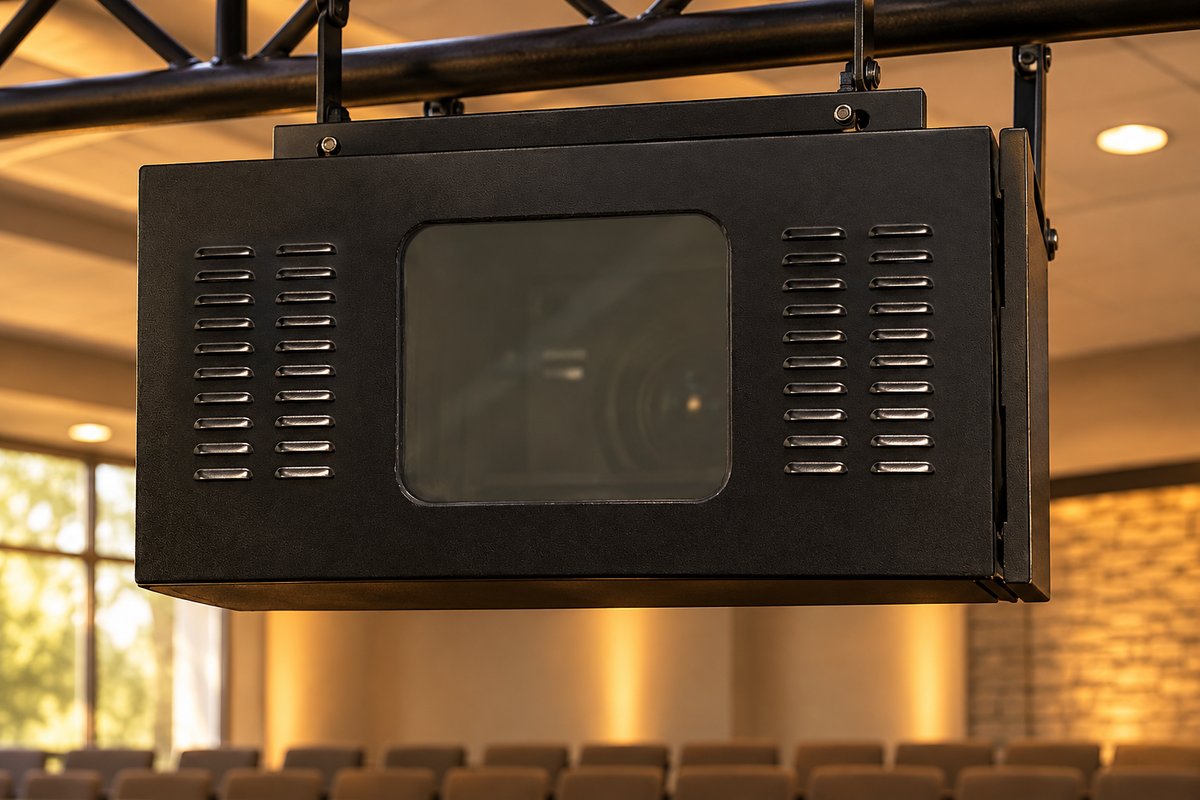
Planning Outdoor Projector Installations in Mississippi: Weather, Heat & Housing
Mississippi’s weather can challenge any outdoor projector install: discover how to select the right enclosure—plus steps for power, ventilation, mounting and local codes.
Understanding Mississippi’s Weather Challenges for Outdoor Projectors
Mississippi’s climate delivers a unique set of challenges for outdoor technology. Summer temperatures regularly climb above 90°F, with intense sun exposure beating down on outdoor equipment for hours each day. High humidity levels, often above 75%, are a constant in both coastal and inland regions. Along the Gulf Coast, salty air and corrosive moisture add to the risk profile, while the widespread presence of dust and pollen, especially in rural or construction-proximate zones, threatens the longevity of sensitive electronics. Add frequent rainfall, storms, and even hurricane season into the mix, and it’s clear that an outdoor projector installation in Mississippi needs thorough planning. The combination of heat, humidity, water and airborne contaminants can cause rapid failures in unprotected projectors. That’s why choosing the right kind of outdoor projector enclosure is essential for venues, schools, and homeowners alike.
Simply mounting a projector beneath an awning or roof does not provide adequate protection against the region’s tough conditions. Projectors left exposed—even in covered areas—can fall victim to sudden rain, wind-driven dust or salt, and unrelenting humidity. For permanent or semi-permanent setups at venues, resorts, theme parks, and school campuses, only a weatherproof and climate-controlled solution ensures uptime, safety, and performance. For an in-depth look at local climate data—including historical rainfall, heat extremes, and humidity trends—review resources from NWS Jackson, MS Climate Products before finalizing your projector and enclosure placement.
With stakes this high, starting with a tailored enclosure is not just a best practice—it’s a necessity for protecting your projector investment.
How Heat, Sun, Humidity, Salt Air and Dust Threaten Your Projector
The high temperatures found in a typical Mississippi summer can quickly overheat projectors when left in direct sun, causing image degradation or even electronic failure. UV exposure also shortens the lifespan of plastics and wiring. Humidity can lead to condensation inside both the projector and the enclosure, raising the risk of corrosion—particularly for AV installations close to the Gulf Coast, where salty air accelerates rust and breakdown in unprotected parts. In the delta and rural areas, windborne dust and pollen gather inside projectors, interfering with lenses, fans, and electronic circuits. This impacts image quality and can result in shorter service intervals or even total loss.
Vigilance during storm season is particularly important. Mississippi experiences heavy rains, occasional flooding, and hurricane-driven winds. Projectors must be protected from windblown water as well as debris. In all scenarios, a suitable weatherproof projector housing prevents direct exposure to these hazards, dramatically reducing maintenance and potential downtime.
ProjectorEnclosure.com’s Defender Series Projector Enclosure is engineered specifically for these demanding outdoor conditions, with options sized for your projector model. For ultimate protection near the coast or in fields, fan-cooled and climate-controlled models help mitigate humidity and salt air issues, keeping your investment safe year-round.
Choosing the Right Outdoor Projector Enclosure for Mississippi
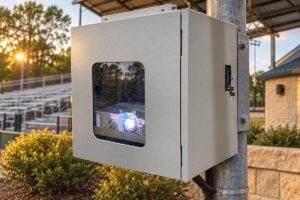
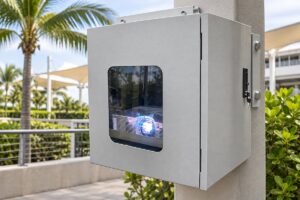
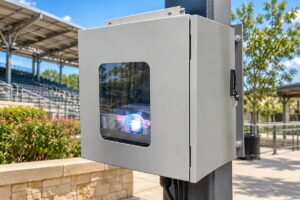
The critical first step for any outdoor AV project is selecting an enclosure designed for true Mississippi weather. Most indoor or “weather-resistant” boxes fall short. The Defender Series Projector Enclosure from ProjectorEnclosure.com was developed specifically for outdoor use: it handles high heat, humidity, sudden rainfall, and salt air alike. Climate-controlled and fan-cooled models offer active regulation of internal temperature and humidity levels, preventing heat buildup and condensation even during peak summer or after a rainstorm.
If your setup uses an ultra-short throw projector for outdoor signage or mapping displays, the UST Defender Series Enclosure provides all-weather shielding tailored to UST models. For homeowners interested in home displays or projection mapping during holidays and events, the HomeLine Projector Enclosure brings weatherproof performance to family projects. Remember: Hush Series is strictly for indoor quiet settings, and Integrator Series is intended for indoor or conditioned non-exposed spaces, not for use in Mississippi’s open weather conditions.
Proper sizing is crucial for airflow and protection. To ensure a perfect fit and optimal thermal management, always send your projector model to ProjectorEnclosure.com via the Projector Enclosure Fit Guide before purchase.
Powering Your Outdoor Projector Installation
Providing safe, reliable power in an outdoor environment calls for thoughtful planning. In Mississippi’s rural areas and many smaller towns, AV integrators and homeowners draw electricity from local co-ops or city grids. Find your utility’s requirements and options at Cooperative Energy, which coordinates power for much of the state. You may need to run dedicated circuits from a breaker panel to the location of the projector enclosure.
Outdoor-rated wiring, weatherproof outlets and connections, and ground fault circuit interrupters (GFCIs) are baseline requirements for safe operation in Mississippi humidity and storm-prone conditions. If your site is near a body of water or receives salt air, use corrosion-resistant conduit and fittings to extend the lifespan of your electrical work. Always check with a licensed electrician and consult your local electrical authority before starting the installation.
Planning for backup power, such as UPS (uninterrupted power supply) units or surge protection, is especially wise if projectors will operate during storm season—both for the sake of audience experience and equipment safety.
Mounting, Ventilation, and Locating the Enclosure
Enclosure placement is key to maximizing utility and minimizing maintenance. Install your outdoor projector enclosure out of direct southern sun when possible, or add exterior shading to reduce thermal load. Ensure at least 12–24 inches of clearance on all sides to allow airflow and technician access. Mount securely on a stable, vibration-free platform (concrete pad, steel structure, or building wall, as project-dependent).
For optimal cooling in Mississippi’s climate, use a fan-cooled or climate-controlled enclosure, and never obstruct vent paths. Orient ventilation ports away from prevailing wind and dust sources—often upwind from common dust advisories in late summer. Check all seals and fasteners after the first big downpour or windstorm to confirm continued protection.
If you are operating in a flood-prone or hurricane-affected area, consider elevated or reinforced mounting for your enclosure, keeping sensitive components above expected water levels. For churches, schools, resorts and venues operating year-round, a periodic check of all supports and anchors ensures long-term safe operation.
Permits and Local Building Code Considerations
Before installing any permanent outdoor projector enclosure in Mississippi, contact your local building department for current requirements. Urban installations—including those in Jackson and other cities—typically require inspection and permitting for electrical connections, exterior mounting, and sometimes zoning approval for permanent equipment structures. Major venues and schools may also face district-level standards.
The City of Jackson Building Permits office is a useful example for reviewing what paperwork, plans, and inspections you might need; always check with your own local office for precise requirements and lead times specific to your location and project type. Some installations—especially those close to roadways or water—may call for stamped engineering, wind load analysis, or supplementary signage permits.
Get ahead of seasonal bottlenecks: begin your permitting process early, and coordinate with contractors and inspection agencies for a predictable installation timeline.
Ensuring Reliable Operation: Projector Sizing and Climate Control
Maximizing projector life depends on matching your equipment with the right enclosure size and controls. Mississippi’s climate means temperature swings and humidity spikes can happen fast. Selecting a climate-controlled projector enclosure is vital: fan-cooled models actively remove heat and moisture, while robust filtration reduces dust and pollen inside the housing. This is especially important for high-value projectors used at schools, theme parks, and corporate venues where downtime is costly.
To help ensure the enclosure matches your projector model for ventilation, cable routing, and mounting, submit your projector details via the Projector Enclosure Fit Guide. The team at ProjectorEnclosure.com will ensure your enclosure is manufactured to precise dimensions, optimizing air flow and protection. It’s equally important to consider service access for periodic maintenance, filter changes, and lens cleaning.
Climate-controlled enclosures not only help prevent thermal shutdowns but also extend projector life by minimizing temperature-induced strain and corrosion risk caused by Mississippi’s humid, salty, or dusty conditions.
Local Resources for Planning Your Outdoor Projector Project
- Gather detailed climate data—rainfall, sun exposure, wind, and humidity—using NWS Jackson, MS Climate Products.
- Coordinate power supply, rural or municipal service needs, and grid upgrades by referencing Cooperative Energy.
- Start your permitting and inspection process early via your municipal office, such as the City of Jackson Building Permits.
- Identify specific enclosure models to match your projector and application:
- Defender Series Projector Enclosure – outdoor and all-weather
- UST Defender Series Enclosure – for ultra-short throw, outdoor
- HomeLine Projector Enclosure – for residential projection mapping or home displays
- Don’t forget: Integrator Series Projector Enclosure is suited for climate-controlled or covered environments only, while Hush Series Projector Enclosure is for indoor, quiet spaces such as studios or boardrooms.
FAQ: Outdoor Projector Enclosures in Mississippi
What’s the single most important feature for an outdoor projector in Mississippi?
Weatherproofing and active ventilation. Only a true outdoor projector enclosure with fan-cooled or climate control will protect against Mississippi’s mix of heat, humidity, storm rain, dust, and salt air. Passive enclosures or indoor models leave your projector exposed to rapid temperature swings and water damage.
How do I size the enclosure for my projector?
Submit your projector make and model using the Projector Enclosure Fit Guide. ProjectorEnclosure.com will ensure the enclosure matches your projector’s dimensions, ventilation needs, and cabling configurations for optimal protection and performance.
Do I need a permit for installing an outdoor projector enclosure?
Most permanent outdoor installations—especially those wired with new electrical service or mounted on buildings—require permits and inspection from your local city or county. Guidance is available via the City of Jackson Building Permits office, but always consult your specific authority for requirements.
Mississippi’s climate demands robust, climate-controlled outdoor projector enclosures for every outdoor venue, school, church, theme park and home project. Let ProjectorEnclosure.com size the perfect weatherproof projector housing for your model—Request an enclosure quote today.
Supplies mentioned in this guide
Defender Series Projector Enclosure
Integrator Series Projector Enclosure
Hush Series Projector Enclosure
UST Defender Series Enclosure
HomeLine Projector Enclosure
Projector Enclosure Fit Guide
Arizona Guide: Outdoor Projector Enclosures & Local Planning