
Projector Enclosure Ventilation Requirements: The Key to Reliable Commercial Projection
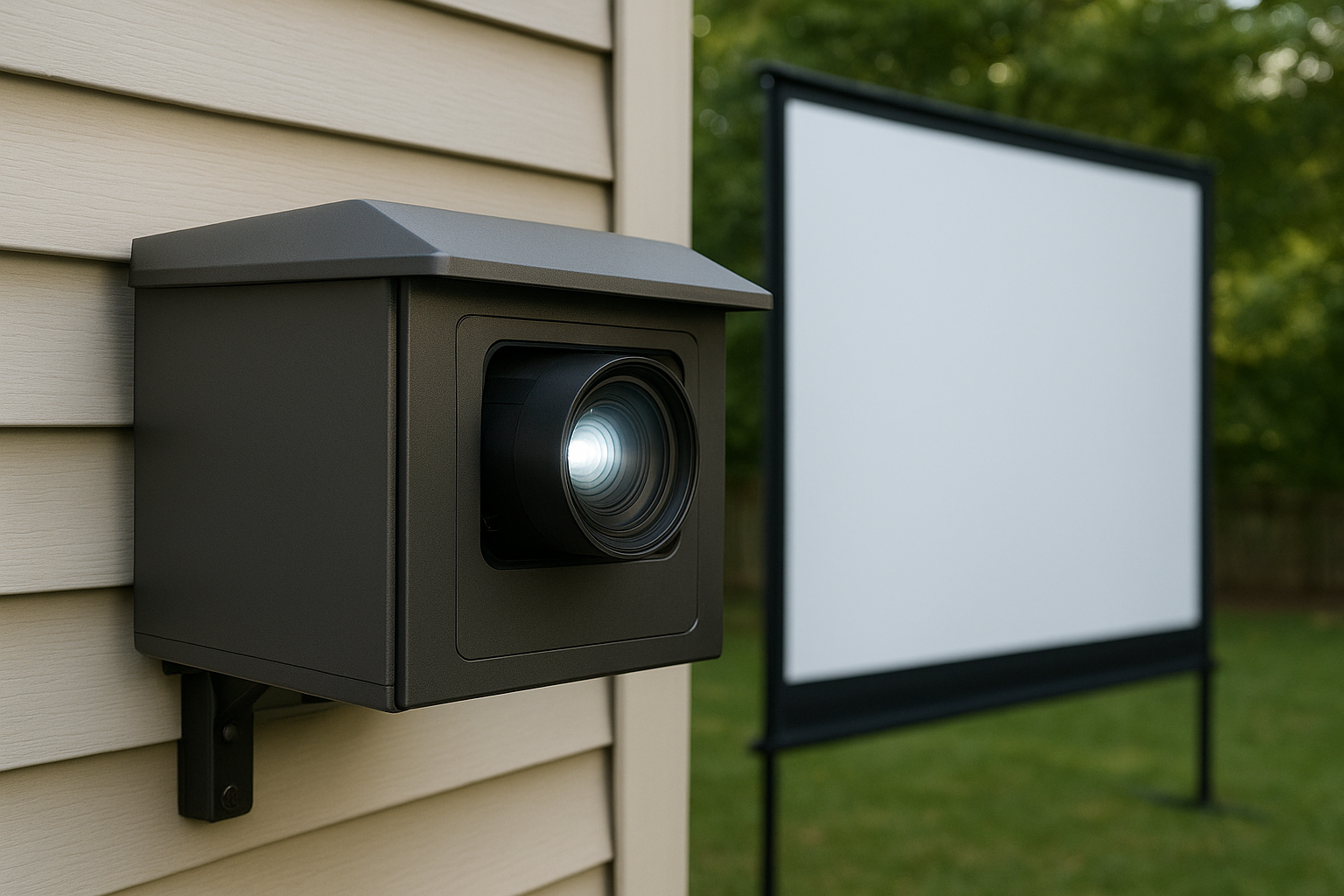
Understanding projector enclosure ventilation requirements is essential for any commercial AV integrator, venue manager, or projection mapping specialist seeking long-term protection and performance from installed projectors. As leading experts at ProjectorEnclosure.com, we know that effective airflow inside commercial projector enclosures can mean the difference between reliable AV uptime and expensive, avoidable failures. Whether you’re designing outdoor projector protection, deploying weatherproof projector housings for a permanent light show, or specifying fan-cooled projector enclosures for indoor installations, this guide covers the facts — plus future trends, common pitfalls, and answers to the most frequently asked questions.
The Importance of Projector Enclosure Ventilation Requirements
Modern projectors generate substantial internal heat—sometimes exceeding 2,000 BTUs per hour, especially in high-brightness mapping, sports, or themed attractions. Without proper ventilation in your enclosure:
- Projectors may overheat, causing unexpected shutdowns or reduced lifespan.
- Internal electronics are vulnerable to dust, humidity, and condensation.
- Image quality can deteriorate from thermal lens distortion or color shift.
Projector enclosure ventilation requirements focus on maintaining an optimal temperature and humidity range as specified by your projector’s manufacturer. This protects the fragile optical and electronic components from thermal stress, moisture ingress, and airborne contaminants.
Types of Commercial Projector Enclosures and Their Ventilation Needs
Each enclosure category has unique airflow and cooling considerations. Let’s compare key types using the table below:
| Enclosure Type | Ventilation Method | Typical Application | Best For |
|---|---|---|---|
| Fan-Cooled Projector Enclosures | Active, filtered airflow; exhaust fans | Indoor AV, auditoriums, boardrooms | Medium/high-brightness projectors |
| Air-Conditioned Projector Enclosures | Thermostat-driven cooling & dehumidification | Outdoor events, theme parks, sports venues | Extreme climates, long runtimes |
| Weatherproof Projector Housings | Sealed with pressure-equalized vents | Outdoor signage, building mapping | Short/medium events, mild climates |
| Hush or Low-Noise Enclosures | Engineered baffling, low-vibration fans | Theaters, worship, museums | Quiet spaces, sound-sensitive AV |
Learn more specifics on projector enclosure products to match your ventilation needs.
Key Factors in Projector Enclosure Ventilation Requirements
- Heat Load: Consider the projector’s BTU output. Larger projectors often require climate-controlled projector enclosures or air-conditioned solutions.
- Inlet/Outlet Placement: Airflow must move efficiently across the projector body, not just recirculate within the enclosure.
- Air Filtration: Commercial installations benefit from multi-stage particle filters, ideal for urban events or dusty construction sites.
- Weather Protection: Ventilation ports require baffling or weather hoods to prevent rain or snow from entering, as seen in advanced outdoor projector enclosures.
- Noise Suppression: For silent environments, hush projector enclosures minimize fan or air noise using acoustic insulation and slow-speed blowers.
- Automation: Thermostats, humidistats, or remote monitoring enable flexible temperature control, essential for unmanned installations.
Common Mistakes with Projector Enclosure Ventilation
- Undersized Fans: Choosing inadequate airflow capacity leads to thermal buildup.
- Improper Filter Maintenance: Clogged filters quickly reduce air exchange; always schedule maintenance.
- Poor Ducting: Short-circuiting hot and cool air reduces effectiveness, especially in tight spaces.
- Ignoring Humidity: Failure to address moisture or condensation risks damage to optical elements and PCBs.
- Lack of Redundancy: Mission-critical upgrades often require dual fans or backup systems.
- DIY Modifications: Cutting unauthorized vents can compromise the rainproof integrity and warranty—always choose a professional projector enclosure manufacturer.
Future Trends in Projector Enclosure Ventilation
- Smart Monitoring: IoT sensors for temperature, humidity, and air quality will automate cooling response and report anomalies instantly.
- Adaptive Ventilation: Variable speed fans and AI-driven logic optimize energy use and extend service intervals.
- Eco-Friendly Solutions: Enclosures will increasingly use energy-efficient components and recyclables to minimize carbon impact.
- Compact Designs: As projectors shrink, expect more efficient airflow paths in smaller, more aesthetic enclosures—ideal for architectural mapping or immersive exhibitions.
- Integrated AV Management: Remote enclosure controls, integration with building management systems, and predictive maintenance scheduling ensure seamless AV uptime across large networks.
FAQ: Projector Enclosure Ventilation Requirements
- How often should my projector enclosure’s filters be cleaned or replaced?
- For most commercial and outdoor projector enclosures, filters should be inspected monthly and replaced at least quarterly, or as recommended for your site’s dust/pollutant levels.
- Can I use standard HVAC fans for enclosure cooling?
- No. Projector enclosure fans are selected for airflow, static pressure, noise level, and filter integration. Rely on a specialized projector enclosure systems supplier for optimal results.
- What if my site has extreme temperature swings?
- Air-conditioned projector enclosures, like the Defender Series, handle high heat loads and secure consistent internal environments even in harsh climates. Find details at air-conditioned projector enclosures.
- Are there enclosures for ultra short throw projectors?
- Yes! Ultra short throw projector enclosures have custom airflow paths for these innovative optics.
- Where can I get more guidance or request a quote?
- Contact ProjectorEnclosure.com at 888-631-5880 or request a projector enclosure quote today.
Conclusion: Protect Your Investment with Proven Ventilation
Your projector’s longevity, image stability, and uptime all depend on following the right projector enclosure ventilation requirements for your commercial-grade application. Whether you need filtered projector enclosure systems for an auditorium, tough weatherproof projector housings for outdoor projection mapping, or custom projector enclosures for unique architectural needs, the ProjectorEnclosure.com team can help design the optimal ventilation solution.
For more information or to discuss your next commercial AV installation, call us at 888-631-5880, or contact our enclosure team today. For advanced digital signage, also visit our trusted partner SSiDisplays.com.
Projector Enclosure Power Requirements Guide: Ensuring Reliable Performance