
Outdoor Projector Enclosure Planning for Plantation, FL: Local Guide

PROJECTORENCLOSURE.COM
Plantation, FL · Planning guide

Outdoor Projector Enclosure Planning for Plantation, FL: Local Guide

A practical, local guide for AV teams, hospitality, schools, churches, and homeowners in Plantation, FL: how to select, site, and protect your outdoor projector in the face of local climate, power, and permitting requirements.

Understanding Plantation, FL’s Outdoor Projection Climate

Planning an outdoor projector installation in Plantation, FL means accounting for more than just the AV requirements. While outdoor video brings venues, schools, churches, and hospitality experiences to life, the region’s tropical climate requires careful consideration when choosing and installing an outdoor projector enclosure. With summer temperatures commonly reaching the 90s, direct sun exposure, intense humidity, frequent afternoon thunderstorms, and proximity to coastal salt air, every aspect of the enclosure—power, mounting, ventilation, and permitting—demands attention to detail.

Summer heat in Plantation doesn’t just affect people; it poses a risk to sensitive electronics like projectors. Direct sunlight can bake an enclosure, while high humidity and salt air can accelerate corrosion and damage. From spring through fall, dust from landscaping activity and windblown debris add another layer of concern. During storm and hurricane season, sudden power outages and wind-driven rain require robust weatherproof solutions to keep your system running safely and reliably.

For all these reasons, the first step is understanding how local climate will affect your outdoor projector housing, and then matching your enclosure choice and site plan to those unique regional hazards. ProjectorEnclosure.com recommends beginning every project with a careful assessment—and your specific projector model details—for best results.

Choosing the Right Outdoor Projector Enclosure

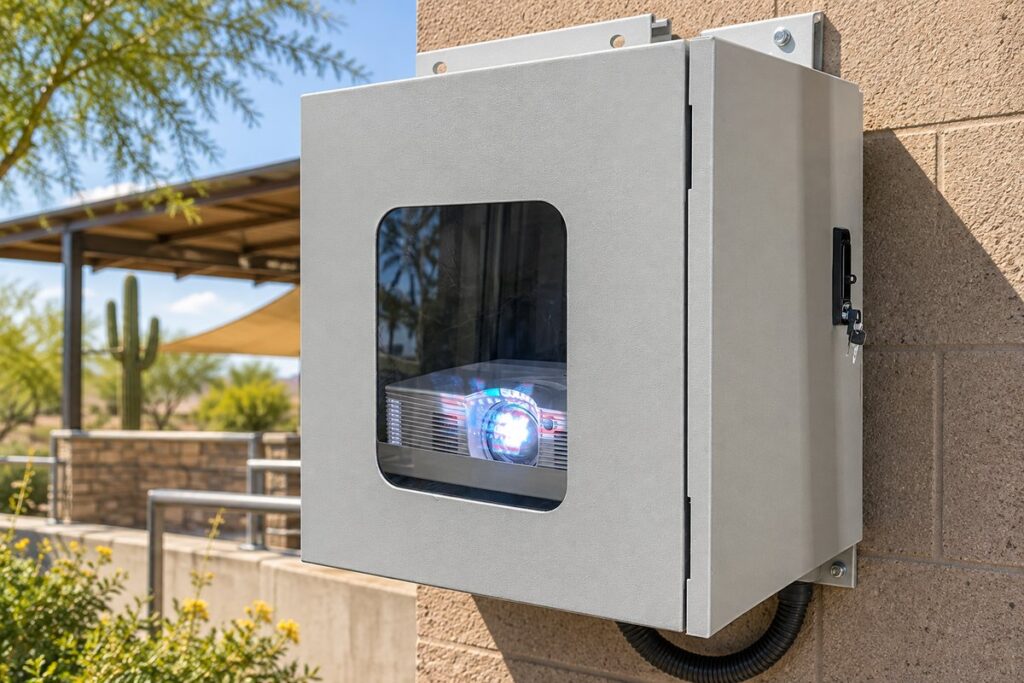
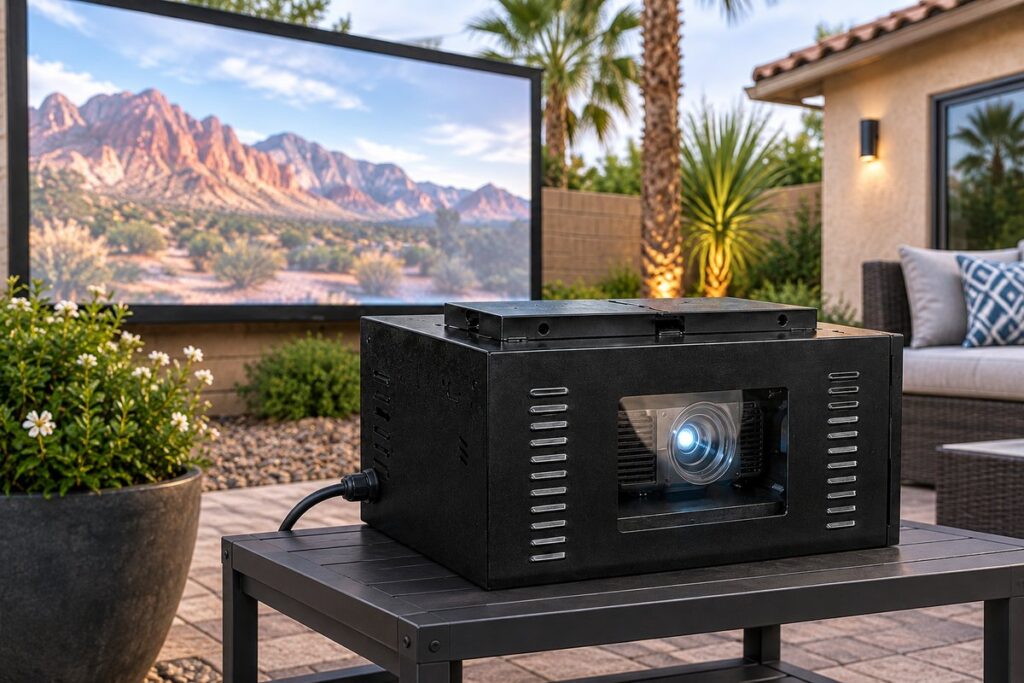
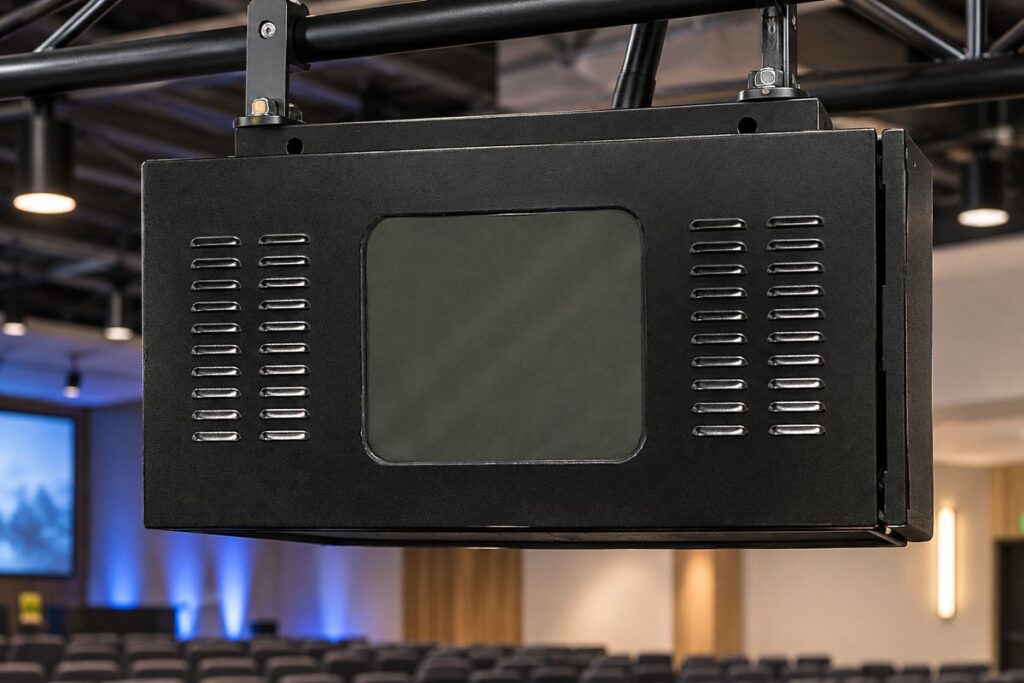
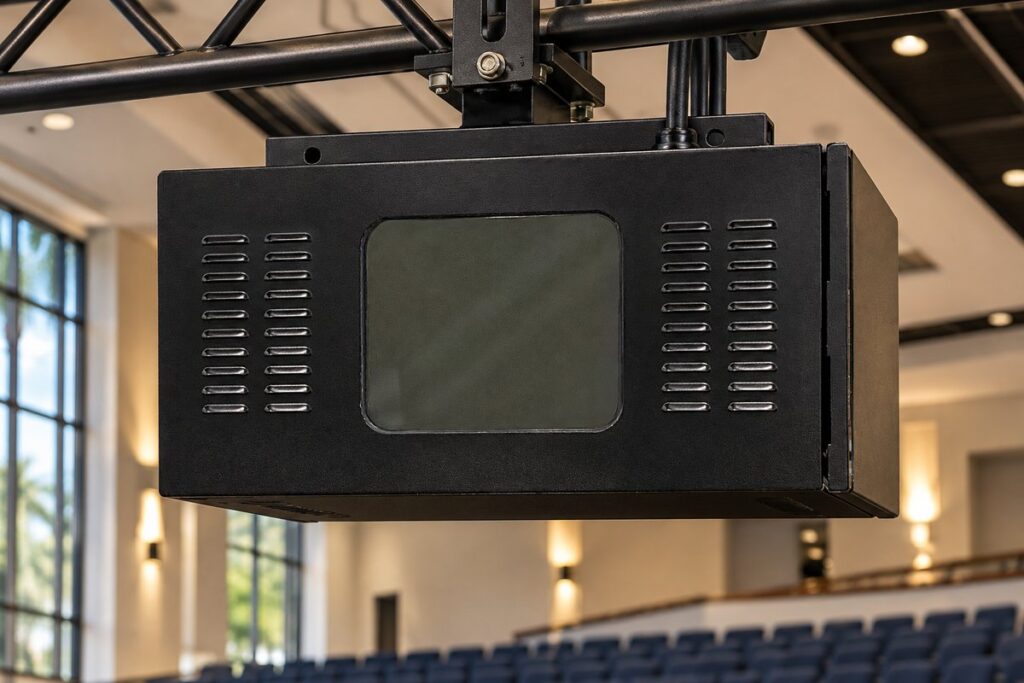
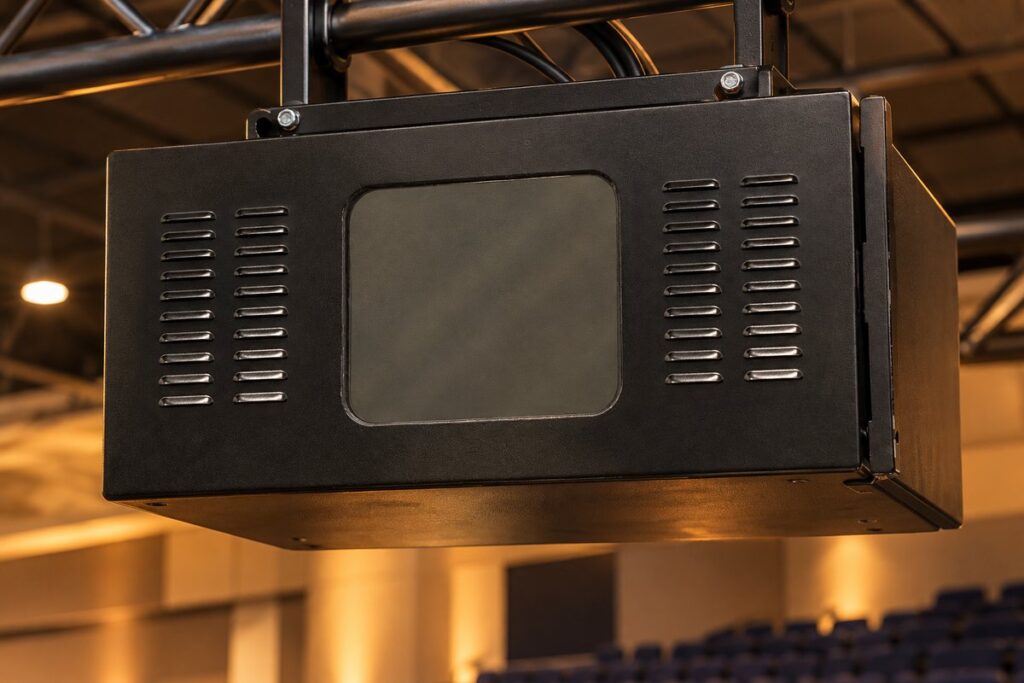
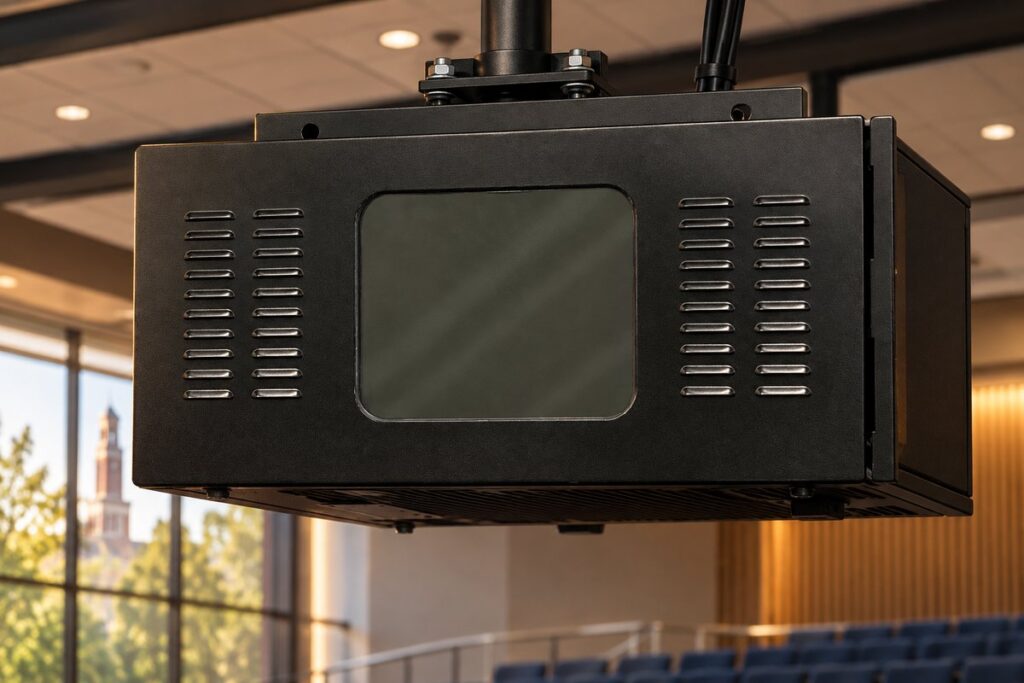
ProjectorEnclosure.com offers several weatherproof and climate-controlled solutions, each designed for particular environments. For the open Florida outdoors, the Defender Series Projector Enclosure is purpose-built for demanding all-weather installs. Its climate management options protect against both high heat and humidity while offering robust defense against dust, salt air, and driving rain. It’s the standard choice for resorts, public venues, churches, schools, theme parks, and any permanent outdoor AV setup in Plantation.

For projects using ultra short throw projectors, consider the UST Defender Series Enclosure, which offers the same rugged exterior defense with geometry designed for short-throw optics. Residential mapping displays and home events may benefit from the HomeLine Projector Enclosure, which is sized for consumer-grade projectors and provides reliable protection from humid Florida nights.

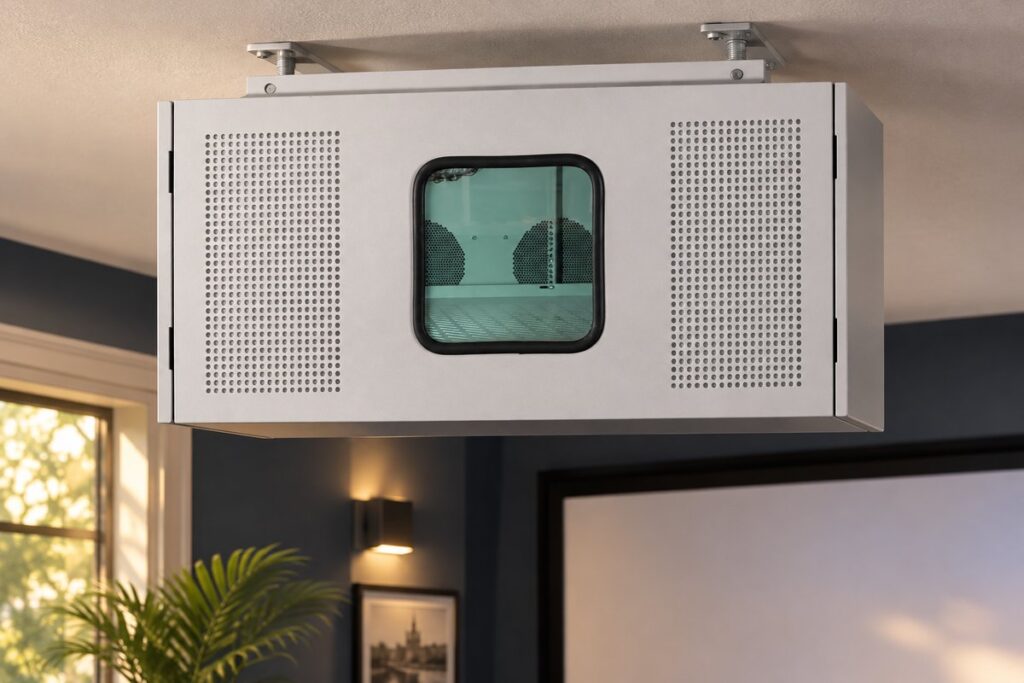
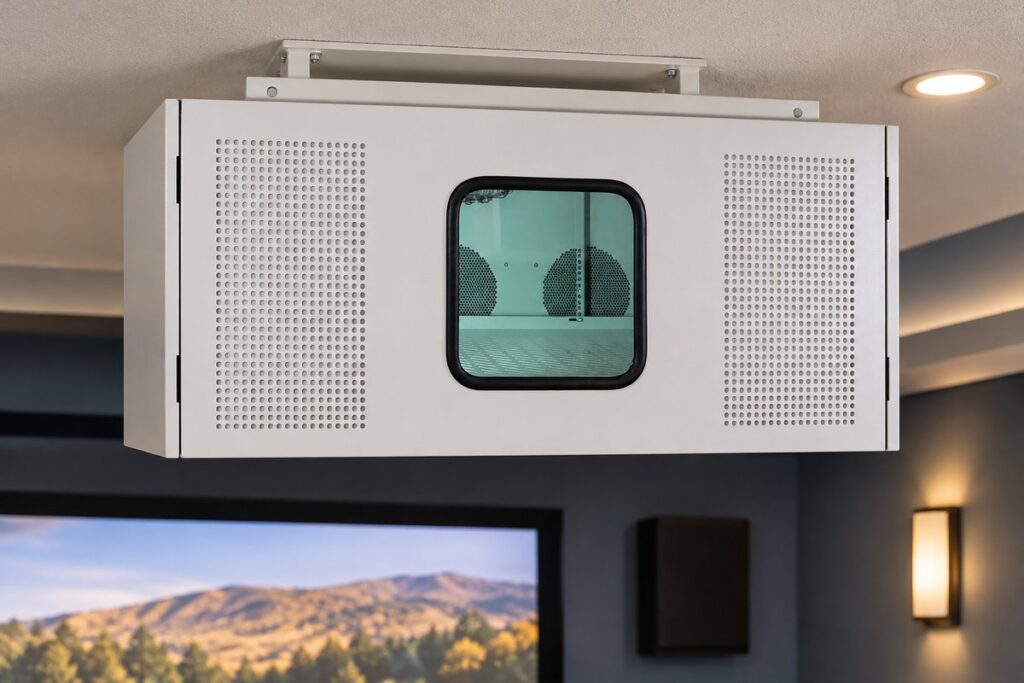
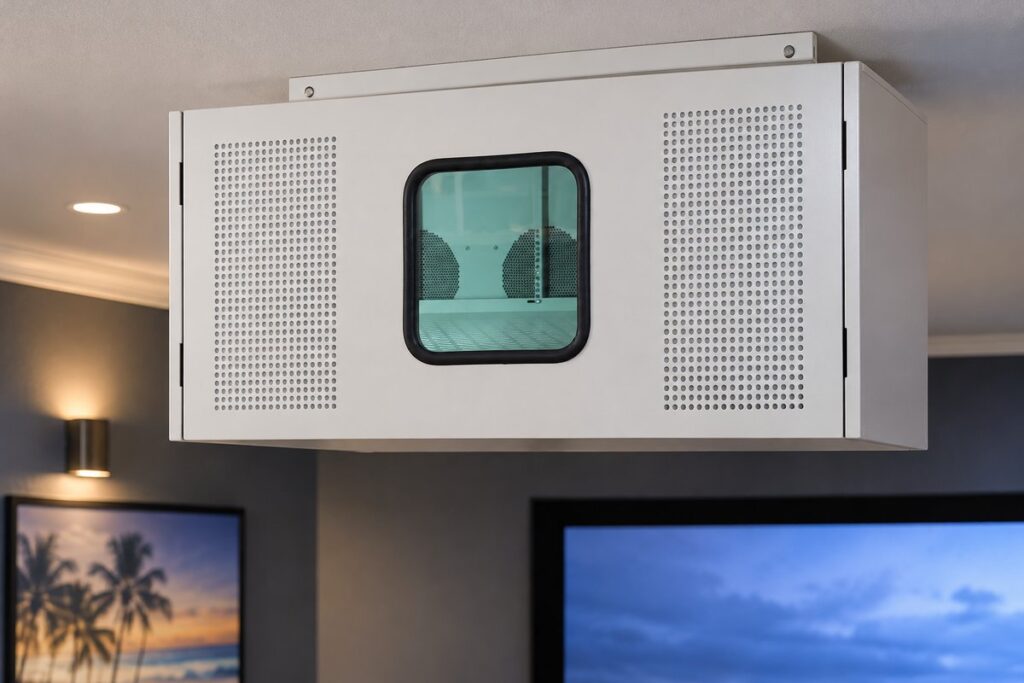
If your site is covered or semi-conditioned, as in a vented pavilion or an open-sided but roofed structure, the Integrator Series Projector Enclosure is a fit. However, for open outdoor locations exposed to direct weather, always specify the Defender Series line. Never use a Hush Series enclosure outdoors: it’s designed strictly for quiet indoor environments like classrooms or studios.

Mounting and Placement for the Florida Environment

The durability of your outdoor projection setup starts with careful mounting and placement. Direct sunlight on an enclosure any time of day can raise internal temperatures far above the air temperature. In Plantation’s climate, choose an installation location with maximum natural shading or, if possible, provide eave or canopy cover overhead. This reduces the exposure to both UV and rain.

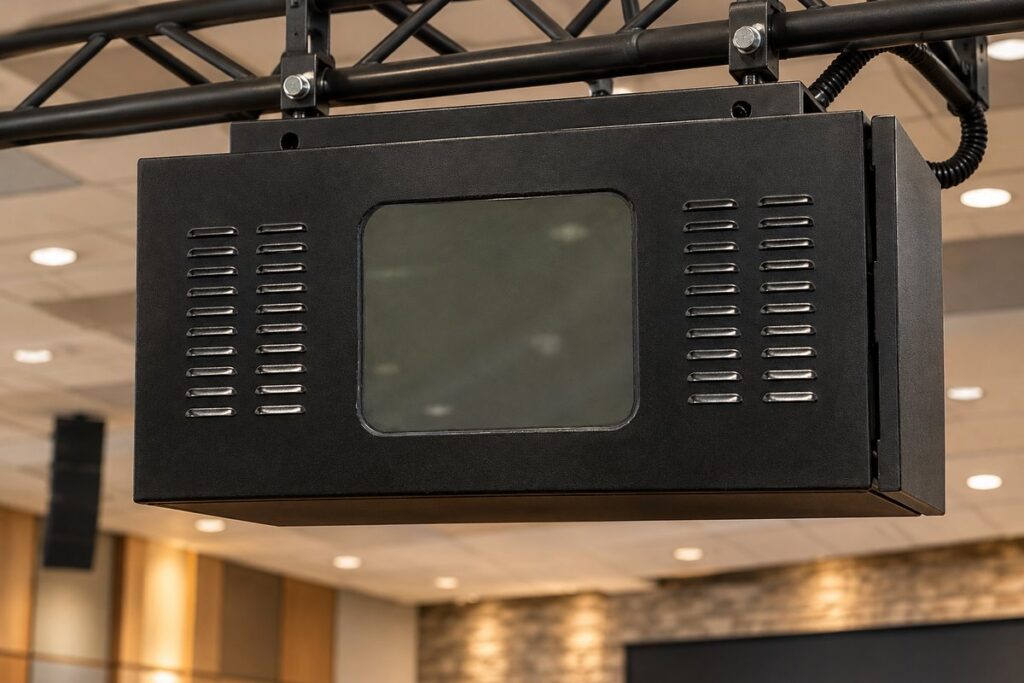
Wall- or ceiling-mounts are favored where building structure allows. For schools, churches, or venues, consider positioning the enclosure under the edge of a roof overhang. If ground- or pole-mounting is necessary, ensure that the mounting hardware is both rust-resistant and strong enough to withstand hurricane wind loads. You will likely need to consult a local structural engineer for permanent installations in public places.

Always check local structural codes and permitting needs before finalizing placement. Shared spaces—like parks or schoolyards—may have extra safety and accessibility requirements. Each enclosure is sized to the projector, so provide your projector’s make and model to ProjectorEnclosure.com for best fit guidance; their Projector Enclosure Fit Guide streamlines this process.

Power Planning and Outage Considerations

Reliable power is vital for both the projector and climate control features of your enclosure. Fluctuating supply, rolling outages, or storm-driven loss of mains can all disrupt your installation. Before running dedicated power lines or deploying battery backup, consult the Florida Power & Light Power Tracker to review outage histories and restoration expectations for your site.

Outdoor installations should include surge protection and weatherproof outlets. Circuit quality in older structures around Plantation may vary, so a pre-installation inspection is wise. Where extreme weather is expected, consider options like remote power-off capability, or talk with your AV integrator about surge and lightning protection strategies.

When running new electrical to an exterior location, work with a licensed electrician and confirm that trenching, conduit, and junction specs meet Broward County’s building codes. Permit requirements for outdoor power upgrades are specific to site and scope; details are available from the city’s permitting office, which you may find through local resources.

Ventilation, Airflow, and Cooling in Hot Humid Weather

Florida summers mean high heat and humidity—two factors that stress both projector components and enclosure electronics. Any weatherproof projector housing should be equipped with active cooling fans, thermostatic controls, and (where needed) humidity management to keep sensitive gear within safe operating limits.

The Defender Series design includes options for high-efficiency fan cooling and internal temperature management, engineered for the challenges of direct sun, muggy nights, and heavy rainfall. Scheduled maintenance is also important: inspect air filters and venting at the beginning of every summer and after major storms, as mold and dust can accumulate quickly in the subtropical air.

For critical installations, place enclosures in areas with natural cross-ventilation or work with your AV designer to maximize airflow. Avoid enclosing the product within secondary housings or adding coverings not designed for projector cooling, as this can reduce effectiveness and void safety precautions.

Permitting, Compliance, and Codes in Plantation

Outdoor projector installations in Plantation, FL almost always require some form of city or county approval—especially for venues, schools, and churches. Permitting requirements may concern electrical work, structural mounting, or both, depending on whether the setup is temporary or permanent. Permit applications may entail diagrams, structural review, and sometimes site inspections.

Broward County and Plantation each maintain specific codes for exterior electrical wiring, weatherproof fixture mounting, and hurricane wind load resistance for permanently installed AV equipment. Reach out to the applicable city permit office early in your planning to clarify the process. ProjectorEnclosure.com does not file permits, but can collaborate with your local contractors to provide spec sheets and details on enclosure models.

Keep a record of all as-builts and approvals for insurance purposes and future upgrade work. If you are unsure about what’s needed, check with the permitting office linked above to learn about the latest outdoor AV requirements for your site type and project size.

Maintenance for Long-Term Outdoor Use

Even the best climate-controlled projector enclosure requires basic upkeep in Plantation’s challenging environment. Humidity and salt air can cause corrosion over time, while dust accumulation and insect intrusion—more prevalent after rain—can trigger cooling issues. Check and clean enclosure filters and vent screens quarterly, and always after severe weather.

Schedule a full inspection each spring and fall to assess seals, hardware, and anchor points—especially for ocean-facing or wind-exposed sites. Plan for bulb replacement, lens cleaning, and projector recalibration as needed. ProjectorEnclosure.com has supported outdoor AV teams and property operators for more than 20 years; their technical support is available to help with questions or troubleshooting by phone or email.

As technology evolves, remember to reevaluate your enclosure’s fit and controls when swapping in a new projector. The Projector Enclosure Fit Guide lets you specify any brand or model to verify enclosure sizing and compatibility with existing systems.

FAQ: Outdoor Projector Enclosures in Plantation, FL

What’s the best enclosure model for fully exposed outdoor areas?

The Defender Series Projector Enclosure is engineered for open outdoor applications in hot, humid, and storm-exposed locations like those in Plantation, FL. It protects projectors from sun, rain, dust, salt air, and seasonal wind.

How do I get the right size enclosure for my projector?

Supply your projector’s make and model to ProjectorEnclosure.com or use the interactive Projector Enclosure Fit Guide. Their specialists will recommend an enclosure with proper cooling and space.

What if I lose power during a storm?

It’s smart to monitor local outage reports—use the FPL Power Tracker—and consider battery backup or surge protection for your setup. The enclosure’s cooling features operate as long as outage duration is brief and backup power is provided.

Ready to protect your projector from the Plantation, FL elements? Request an enclosure quote or call 888-631-5880. For personal support, email ssisales@ssidisplays.com with your projector model and site questions.
Featured supplies

Supplies mentioned in this guide

PROJECTORENCLOSURE.COM · Plantation, FL guide
Read more

How Avondale’s Climate Impacts Outdoor Projectors: A Practical Guide

PROJECTORENCLOSURE.COM
Avondale, AZ · Planning guide

How Avondale’s Climate Impacts Outdoor Projectors: A Practical Guide

Planning an outdoor projector in Avondale, AZ? Learn how local weather—heat, humidity, storms, and dust—affect outdoor projector enclosures, with tips on sizing, power, and safe installation.

Planning Outdoor Projection in Avondale: Why Local Climate Matters

Avondale, AZ presents unique challenges for installing outdoor projectors. With summer temperatures often soaring above 110°F, frequent direct sun exposure, and the potential for dust storms or monsoon rains, every component in your AV system needs protection. Outdoor projector enclosures are a critical part of any reliable installation here—not just as a barrier to the elements, but as climate-managed environments for your valuable gear.

The city’s proximity to the desert means equipment can be taxed year-round. Dust can accumulate quickly, especially during windy spells, while humidity spikes and heavy rainstorms in the late summer test weatherproofing and overall resilience. For venues, schools, churches, and homeowners alike, choosing—and planning for—the right outdoor projector enclosure saves on repairs, downtime, and headaches later. ProjectorEnclosure.com specializes in solving these environmental challenges, and over more than 20 years has helped customers get the most from projectors outdoors.

Before you begin, it’s important to understand how Avondale’s weather patterns can impact your plans and which enclosure features keep your projector safe and working year-round.

Summertime Heat and Solar Exposure

Intense heat is Avondale’s defining climatic feature. Direct sunlight on an outdoor projector enclosure can drive surface temperatures well above air temperature, accelerating wear or overheating sensitive electronics. If you’re mounting your projector near rooflines, pergolas, or on open poles, direct sun exposure is nearly impossible to avoid during peak hours.

Look for climate-controlled features such as fan cooling, thermostatic triggers, and heat-dissipating designs. The Defender Series Projector Enclosure is engineered for all-weather and outdoor use, delivering fan-cooled, active airflow and construction that stands up to the brutal summer sun. Proper shading—through placement under a canopy or awning—can further reduce heat strain and extend projector life.

It’s not just electronics at risk. Projector optics can become misaligned or fogged from repeated thermal cycling, especially if an enclosure lacks adequate thermal management. Always plan for Avondale’s high temperatures when sizing your enclosure, and send your projector model to ProjectorEnclosure.com for precise fit recommendations.

Humidity, Monsoons and Storm Protection

While summers are usually dry, Avondale’s monsoon season brings sudden humidity surges, heavy rain, and wind-driven moisture. Outdoor displays—especially those operating during events or night screenings—face a real risk of water ingress and condensation inside the enclosure. This makes a weatherproof projector housing with proper sealing, drainage, and active climate control essential.

Choose an enclosure that is specifically rated for outdoor, open-weather use. The Defender Series not only resists water intrusion but also controls internal humidity with optional heaters and desiccant modules available. Seals must remain effective after repeated exposure to rain, dust, and heat—key requirements for any installation facing Avondale’s late summer storms.

If you’re hosting events during monsoon season, account for rain direction and sudden gusts when deciding on enclosure orientation and mounting height. Consulting historical climate trends from the National Weather Service Climate Data Access can help you assess storm frequency and water exposure over the long term.

Dealing with Dust and Desert Debris

Avondale’s location in the Sonoran Desert means windblown dust—especially during haboobs—presents one of the most consistent threats to electronics outdoors. Fine sand can infiltrate non-sealed enclosures, clogging fans and optics, and causing premature failures. Cleaning and filter replacement are not always practical or sufficient for open air installations.

The Defender Series incorporates filtered air intakes specifically to prevent this kind of dust intrusion, ensuring continuous airflow without letting particles reach your projector’s internals. Always avoid modifying or leaving enclosures open, as this quickly defeats any dust protection. For permanent or semi-permanent installations, periodic inspection is still advised—especially after major dust events or storms.

If your property is near undeveloped land or sees frequent construction, consider added layers of protection like secondary shades or wind baffles. And always verify that doors, vents, and seals are intact after severe weather events.

Salt Air and Coastal Effects Near Phoenix?

Although Avondale is not directly on the coast, the greater Phoenix area can experience salt deposition when storms move in. If your venue, church, or installation site is closer to rivers or retention basins, trace salinity carried in air or mist may still affect exposed electronics and projector housings over time. Salt air accelerates corrosion—especially when coupled with humidity and high temperatures.

Choose enclosures constructed with corrosion-resistant finishes and non-ferrous materials. The Defender Series Projector Enclosure is built to withstand these additional stresses. For projects in more coastal or high-humidity areas, consider periodic visual inspection and cleaning of exterior surfaces to prevent buildup.

Even if salt is a minor factor for your Avondale installation, understanding material choices and local environmental factors helps safeguard your investment, particularly for multi-year or permanent projector installs.

Power, Mounting, and Ventilation Planning

Planning reliable power is fundamental to outdoor AV installations. If running a new circuit outdoors, check with the National Weather Service’s Climate Data Access portal for monthly temperature and humidity ranges—helpful for choosing heat-tolerant wiring and circuit capacity. GFCI outlets and weatherproof exterior power points are essential, both for safety and local electrical code compliance.

Mounting requires a stable, vibration-free platform—either a wall bracket, steel pole, or custom structure. Ensure the enclosure is anchored to resist wind and vibration, particularly if exposed to storm gusts. The Projector Enclosure Fit Guide can help you determine sizing and mounting requirements by model number, ensuring adequate airflow, security, and service access.

Good ventilation goes hand-in-hand with weather resistance. All active (fan-cooled or heated) enclosures require unimpeded air paths; don’t block intakes with landscaping or architectural features. Avoid placing the enclosure near HVAC exhausts or other heat sources. For climate-controlled indoor settings (such as a conditioned pool area), the Integrator Series Projector Enclosure offers fan management designed for spaces where dust or water intrusion is less severe, but outdoor protection is still critical.

Permits, Codes, and Local Regulations

Before breaking ground or drilling into structures, it’s important to check with the city’s building permits office regarding requirements for outdoor AV installations. Each municipality can differ in paperwork and what’s necessary for electrical work, pole installations, and added wind loads.

For Avondale, outdoor wiring, new outlets, and anything attached to public-facing structures will often require documentation and inspection. Permit rules change frequently; always consult with the appropriate office for your project scale. Refer to external resources or your contractor for up-to-date code guidance, code references, and recommendations for weatherproofing and safety.

Inspections may include checks for weather sealing, GFCI protection, proper anchoring, and clearance from landscaping or paths. For temporary event installations, temporary permits and barricades might be required. Proactively planning for these steps ensures your projector enclosure is both safe and compliant for years to come.

Selecting the Best Enclosure: Sizing for Your Projector

No two projectors have exactly the same footprint, heat output, or ventilation demands. Choosing a climate controlled projector enclosure isn’t just about what fits, but what protects. Send your projector’s model number to ProjectorEnclosure.com, and use the Projector Enclosure Fit Guide for custom sizing recommendations. Oversized or undersized enclosures can create heat traps, restrict service access, or even void manufacturer support.

For ultra-short throw or projection mapping applications at home, explore the UST Defender Series Enclosure or the HomeLine Projector Enclosure—each tailored for their specific mounting profiles and lens requirements. Commercial venues, resorts, and theme parks will typically benefit from the robust outdoor protection of the Defender Series, especially where high hours and unattended operation are expected.

ProjectorEnclosure.com’s decades of experience producing weatherproof projector housing solutions helps ensure your AV investment pays off, no matter how challenging Avondale’s climate becomes.

FAQ: Avondale Outdoor Projector Installations

Can I use a standard indoor enclosure outdoors in Avondale?

No. Only the Defender Series and UST Defender Series are built for direct outdoor use. Indoor-only models—like the Hush Series and Integrator Series—are ideal for climate-controlled, conditioned spaces, not exposed to Avondale’s heat, rain, or dust.

How does dust affect projector life in Avondale?

Dust accumulation can foul projector optics and cause fan failures, especially during dust storms or haboobs. Choosing an enclosure with filtered ventilation—such as the Defender Series—dramatically reduces dust intrusion and helps safeguard your projector for the long term in the Avondale area.

Do I need a permit to install an outdoor projector enclosure?

Many outdoor AV installs require electrical permits, and any work involving power, structure attachment, or permanent mounting should be reviewed with Avondale’s building department. Check with your local office and licensed contractor to ensure your installation meets all current code requirements.

Bringing Your Outdoor Projection Vision to Life

Avondale’s unique blend of heat, humidity, storms, and dust demands dedicated planning for lasting outdoor AV performance. Whether it’s a resort event space, school courtyard, worship patio, or backyard, choosing the right climate controlled projector enclosure starts with understanding local risks and building in protection from the ground up.

Ready to get started? Request an enclosure quote or email ssisales@ssidisplays.com with your projector model for tailored recommendations.

Featured supplies

Supplies mentioned in this guide

PROJECTORENCLOSURE.COM · Avondale, AZ guide
Read more

Outdoor Projector Enclosures in Tallahassee: A Practical Local Guide

PROJECTORENCLOSURE.COM
Tallahassee, FL · Planning guide

Outdoor Projector Enclosures in Tallahassee: A Practical Local Guide

Discover how Tallahassee’s climate—heat, rain, humidity, salt air, and storms—affects outdoor projector enclosures. Get essential tips on sizing, power, mounting, and more.

Tallahassee’s Climate: Why Weather Matters for Outdoor Projectors

Tallahassee, Florida, is known for its vibrant community spaces and outdoor events—but its climate poses unique challenges for outdoor electronics. Summer brings intense heat and direct sun exposure, often pushing temperatures well above the comfort zone for sensitive AV gear. High local humidity, frequent rain, and the ever-present risk of dust, pollen, and even salt air for properties near the Gulf all accelerate equipment wear. For anyone installing a projector outdoors—whether you’re an AV integrator, a school, or a venue operator—the right outdoor projector enclosure is essential to ensure longevity and reliable performance.

Direct sun on an enclosure can rapidly increase internal temperatures. Outdoor spaces in Tallahassee see sudden weather shifts, making both rain protection and efficient ventilation critical. The city’s extended storm and hurricane season also necessitates rugged housing capable of standing up to wind-driven rain and flying debris. Investing in a climate controlled projector enclosure is not just smart; it’s a necessity here.

ProjectorEnclosure.com has more than 20 years’ experience engineering solutions for tough weather. Their Defender Series Projector Enclosure is built specifically to address harsh outdoor environments like those found in North Florida. Before choosing, always consider both the local weather patterns and your site’s proximity to the coast.

Heat, Humidity, and Salt Air: Top Environmental Risks

Projector life and image quality can be quickly compromised by Tallahassee’s high heat and humidity. Moisture in the air encourages corrosion, while elevated temperatures can lead to component failure, unexpected shutdowns, and distorted images. Outdoor projector enclosures must counteract these factors with both powered cooling and internal climate controls.

Properties closer to the coastline are at risk of salt air intrusion, which accelerates corrosion even more rapidly than inland humidity. Dust and fine debris, which are common during Tallahassee’s spring and fall, also pose a threat—clogging filters and circulating inside projectors. For protected, uninterrupted outdoor projection, an enclosure that shields against every one of these risks is essential.

Fan cooling, advanced filtration, and sealed housings such as the Defender Series and the UST Defender Series Enclosure provide this multi-layered protection. Always match the enclosure’s capabilities to your exact environmental risks for best results.

Planning Power: Local Considerations for Safe Installations

Powering your outdoor projector and enclosure safely is mission-critical. In Tallahassee, summer storms and occasional outages mean it’s necessary to plan both for robust electric supply and potential surges. Check with the City of Tallahassee Electric Utility early in the planning stage to understand power service options, rates, and potential reliability concerns at your site.

For venues, churches, and theme parks, ensure that a dedicated, weather-resistant circuit is available to handle the combined load of the projector and climate controlled projector enclosure. Surge protection is highly recommended given local lightning frequency, as is consistent grounding to avoid damage from electrical events or static.

  • Evaluate outdoor-rated outlets and weatherproof covers.
  • Position power connections to avoid pooling rainwater and to ease maintenance.
  • Consult a licensed electrician for wiring and safety compliance.

ProjectorEnclosure.com enclosures come prepared for these challenges, but the quality of your power source and its protection are key local factors that directly affect performance.

Mounting and Projector Sizing: Steps for Success

Sturdy mounting is as important as climate control in Tallahassee’s outdoor settings, especially given seasonal storms. High winds mean both the enclosure and the projector within must be securely fastened to a capable structure, whether wall, pole, or pavilion. Swaying, vibration, or loose installation will not only affect your image—but may compromise the unit’s weatherproof performance.

Every projector model may require a different enclosure size, depending on its dimensions, lens location, and venting pattern. Before purchase, measure your projector carefully or, for the simplest fit, send your projector model to Projector Enclosure Fit Guide for sizing assistance. This sizing ensures both optimal cooling and image shadow-free operation for your specific device.

The Defender Series is recommended for exposed Tallahassee locations. For home projection mapping or decorative light shows, the HomeLine Projector Enclosure is ideal for residential use outdoors, with user-friendly mounting and weather shielding tailored for home and small venues.

Ventilation and Climate Control: Managing Internal Conditions

Summer temperatures in Tallahassee regularly climb into the 90s, raising internal temperatures within even the best outdoor projector enclosures. Adequate ventilation, powered fans, and active temperature regulation are critical to avoid heat fatigue and maintain performance, especially when projectors are used during peak daylight hours.

Climate controlled projector enclosures use a combination of intake/exhaust fans and filtration to continuously manage airflow, keeping interior temperatures close to ideal and removing intrusion from dust or moisture. This level of environmental separation is vital in Tallahassee, where heat, rain showers, and even high humidity can all occur within a single afternoon.

Both the Defender Series and UST Defender Series integrate active cooling options, and should not be confused with enclosures meant for only indoor or covered spaces, such as the Integrator Series Projector Enclosure or Hush Series, which are not recommended for outdoor Tallahassee deployment.

Permits, Codes, and Local Regulations

Before starting an outdoor projector installation in Tallahassee, check with the city regarding any necessary permits or approvals related to your apparatus. Electrical upgrades, mounting hardware, and outdoor-rated equipment can require documentation, especially for venues, schools, or places of public assembly. Requirements can change by district and project type, so confirm with the appropriate city office linked through the City of Tallahassee Electric Utility portal if electrical work is involved.

Storm preparation guidance may also be available, and it’s advisable to consult local building officials if suspending enclosures or adding outdoor power. Following city rules not only ensures safety and compliance but protects your investment from fines and costly rework. Some neighborhoods may have additional restrictions for visible outdoor equipment, so homeowners should always confirm with their HOA as well.

By addressing these regulatory elements early and fully documenting your setup, you’ll ensure your weatherproof projector housing meets local expectations and functions smoothly, regardless of Tallahassee’s changing weather.

Weather Monitoring, Maintenance, and Seasonal Readiness

Effective protection for your outdoor projector requires regular local weather vigilance. Using the National Weather Service Tallahassee Forecast, you can monitor temperature, humidity, dew points, and severe weather advisories—enabling timely action if extreme conditions are on the way.

During pollen-heavy seasons or after windstorms, regularly inspect your enclosure for dust or debris accumulation. Check all fans and filters according to the enclosure’s guidelines and clear any obstructions to ensure airflow. For installations near the coast, periodic checks for signs of salt air corrosion—such as rusting or residue on metal parts—significantly extend service life.

Schedule post-storm walkthroughs, especially after major thunderstorms or hurricanes, to confirm seals remain intact, mounts hold, and all electronics are dry and free of visible damage. Maintenance is typically manageable if scheduled seasonally and after severe local weather events.

FAQ: Tallahassee Outdoor Projector Enclosures

How does Tallahassee’s humidity and rain affect outdoor projector enclosures?

High humidity and frequent rain in Tallahassee can quickly cause condensation, corrosion, or mold growth inside electronics. Weatherproof projector housings with fan cooling and ventilation, such as the Defender Series, are engineered to keep out both rain and excess moisture, ensuring year-round reliability.

What type of projector enclosure is right for my outdoor space?

Your specific location and projector model determine the best choice. For fully exposed outdoor Tallahassee settings, the Defender Series is recommended. For home displays and projection mapping, the HomeLine is suitable. Always send your projector model to the Fit Guide for tailored sizing and recommendations.

Do I need a permit for an outdoor projector enclosure?

Permit requirements vary based on property type and project details. For electrical improvements or commercial installs, check with the city using the City of Tallahassee Electric Utility resources. When in doubt, ask the permitting office before starting any installation work.

Next Steps: Sizing and Getting Expert Help

Whether you’re protecting a high-lumen projector for a campus amphitheater, outfitting a theme park, or adding backyard projection for family movie nights, planning for Tallahassee’s climate is crucial. The right solution starts with accurately sizing your enclosure to your specific projector—send your model and installation details to ProjectorEnclosure.com for expert help choosing the best climate controlled or weatherproof projector housing for your site.

Request an enclosure quote today, or reach out for technical sizing at 888-631-5880 or ssisales@ssidisplays.com. Protect your investment, ensure reliable performance in Tallahassee’s climate, and get the most from your outdoor projection setup.
Featured supplies

Supplies mentioned in this guide

PROJECTORENCLOSURE.COM · Tallahassee, FL guide
Read more

Outdoor Projector Enclosures in Maricopa, AZ: A Practical Planning Guide

PROJECTORENCLOSURE.COM
Maricopa, AZ · Planning guide

Outdoor Projector Enclosures in Maricopa, AZ: A Practical Planning Guide

Discover how Maricopa’s climate impacts outdoor projector enclosures and get a step-by-step local planning guide covering power, mounting, ventilation, and permitting for lasting projector protection.

Understanding Maricopa’s Outdoor Challenges for Projection

When it comes to outdoor AV installations in Maricopa, AZ, one of the first considerations should be the region’s climate. With summer temperatures routinely topping 110°F, intense direct sunlight, periodic storms, dust events, and seasonal humidity, this environment is tough on sensitive projector equipment. While less often discussed, certain local areas also experience salt air influences from regional wind patterns, which can further impact electronics housed outside for extended periods.

The result: unprotected projectors quickly face reduced lifespan, overheating, corrosion, and performance issues. Incorporating a purpose-designed outdoor projector enclosure isn’t just about weatherproofing—it’s vital to preserve image quality and ensure system reliability for venues, schools, resorts, parks, churches, and homeowners who want permanent or semi-permanent AV outdoors.

This guide breaks down what Maricopa installers need to know: from localized environmental threats to planning proper power, mounting, enclosure selection, and permitting, all with a focus on practical long-term projector protection.

Why Local Climate Demands Professional Outdoor Enclosure Solutions

Maricopa’s hot desert summers are notorious for aggressive UV exposure and high ambient temperatures, both of which rapidly drive up the internal temperature of electronics left in direct sunlight. Humidity and monsoon activity can spike moisture levels, and dust from frequent windstorms can infiltrate any gap, clogging fans and optics. These conditions—plus salt air in some outlying regions—demand more than a basic weatherproof box.

The Defender Series Projector Enclosure from ProjectorEnclosure.com is designed specifically for these all-weather, high-challenge locations. Its climate-controlled and fan-cooled configurations help combat heat, humidity, and airborne debris, with all-weather engineering for direct outdoor placement patio, poolside, or large event applications.

Using a climate controlled projector enclosure dramatically reduces risks such as heat shutdown, lens fogging, and dust build-up. If you’re unsure what size fits your projector, consult the Projector Enclosure Fit Guide or contact ProjectorEnclosure.com with your projector model details.

Heat and Sun: Managing Maricopa’s Extreme Temperatures

Most commercial and consumer projectors are engineered for indoor, climate-managed environments—not for the searing, radiant heat of an Arizona summer. Without active cooling and thermal management, heat buildup inside an enclosure can cause projectors to shut down unexpectedly or, worse, suffer internal damage over time.

A weatherproof projector housing designed for the southwest needs more than shade. Look for units with robust thermal insulation, calibrated airflow, and integrated fan systems. The Defender Series, for example, offers fan-cooled and climate-controlled options, both crucial for stable year-round operation in direct sun or partial shade.

Installation planning should include positioning enclosures to minimize sustained sun exposure if possible and checking enclosure specs for maximum allowable projector BTUs. For sensitive installs like ultra-short-throw projectors, the UST Defender Series Enclosure is engineered for optimal airflow and cooling.

Humidity, Rain, and Salt Air: Battling Corrosion and Moisture

Arizona may be known for its dry heat, but Maricopa’s monsoon season brings intense bursts of humidity and rain. Even brief encounters with high humidity can lead to lens fogging, electronic corrosion, and mold if the enclosure isn’t properly sealed and ventilated. Areas influenced by desert winds sometimes see elevated salinity, which only accelerates corrosion of exposed components.

Choose a fully-sealed outdoor projector enclosure that actively manages interior humidity and prevents salt or moisture ingress for best results. For variable climate coverage, avoid standard consumer weatherproof boxes that may not stand up to monsoon-force weather, and instead select engineered units from experienced providers like ProjectorEnclosure.com, which has protected AV worldwide for over 20 years.

After heavy storms or dust events, regular inspection and cleaning of the enclosure’s filters and seals will help maintain performance. Always use products designed for Maricopa’s meteorological extremes, and for other outdoor areas such as gardens or backyards, check out the HomeLine Projector Enclosure specialized for homeowner applications.

Dust and Storm-Proofing: Keeping Your Projector Protected

Dust storms are not uncommon in Maricopa, bringing sudden, dense clouds of fine particulates capable of ruining optics and shorting out electronic boards. A weatherproof projector housing must provide robust filtration without impeding needed airflow. Look for fine-mesh intake filters that are easily serviceable and a design that withstands high wind and driving rain.

The Defender Series excels at keeping dust and debris out while letting projectors breathe. For permanent institutional and venue installations, make dust testing and regular filter checks part of maintenance. For AV integrators handling multipurpose spaces, the Integrator Series Projector Enclosure is a good fit for covered or semi-conditioned outdoor spaces—just not for full open-air exposure.

For indoor settings requiring silence, such as classrooms or boardrooms, use the Hush Series Projector Enclosure, but never outdoors.

Local Power Planning: Ensuring Reliable Projector Operation

Reliable electrical supply is critical for any exterior AV installation. Before designing your system, review available infrastructure and, if necessary, initiate new or updated service with the Arizona Public Service at APS Start Your Residential Service.

High-powered projectors and their climate-controlled enclosures often draw significant wattage, especially during hot spells, so be sure circuits are properly rated and grounded. Weather-rated, outdoor-grade conduit and outlets are a must for safe operation.

Consider future expansion needs when designing outdoor AV power layouts, especially for venues planning multiple projector zones, seasonal installations, or property upgrades. Proper planning up front will prevent costly power-related outages during events or business hours.

Mounting, Ventilation, and Outdoor Installation Best Practices

Safe and stable mounting is essential for long-term outdoor projector use. In Maricopa, account for high winds during storms, potential overhead hazards, and ease of maintenance. Secure all-weather enclosures to masonry, steel, or purpose-built poles with corrosion-resistant hardware. Always allow for easy access to service doors, filter trays, and input panels.

Good ventilation is critical, especially when combining climate-controlled enclosures and heat-generating projectors. Ensure there is adequate clearance on all sides of the unit and avoid covering intake and exhaust vents. Carefully follow any recommended spacing in the manufacturer specifications, and for complex designs, refer to the Projector Enclosure Fit Guide for sizing recommendations.

In installations near water features or salt-exposed locations, opt for units rated for corrosive environments and inspect seals routinely. For unique installation challenges, ProjectorEnclosure.com can assist—contact their team with your projector model for a customized enclosure fit.

Permits, Local Codes, and Project Documentation

Outdoor installations in Maricopa might require approvals or permits, especially for permanent mounts, electrical additions, or structures visible to public spaces. Each project is different—always check with the city or county offices for project-dependent requirements before building or wiring in new power feeds or mounting new enclosures.

If project timing is tight or you’re unsure where to start, refer to the APS resource above or consult with local contractors who regularly work with AV and lighting. Proper documentation—including site plans and engineering diagrams—helps expedite permitting and ensures compliance for insurance and public safety.

Thorough upfront planning prevents delays, saves on change orders, and protects your investment for years to come.

Outdoor Projector Enclosures in Maricopa, AZ: FAQ

What factors should I consider when choosing an outdoor projector enclosure?

Consider local temperature ranges, sun exposure, humidity, dust, nearby salt air, projector size and wattage, and the enclosure’s airflow design. Always select a product engineered for your climate, such as the Defender Series for Maricopa’s extremes, and consult the enclosure fit guide to match your projector model.

How do I provide electrical service for an outdoor projector system?

Work with a licensed electrician to design circuits rated for outdoor use, using weather-resistant outlets and conduit. To begin or modify your property’s service, refer to APS’s utility service resource for official guidance on new electrical needs.

Do I need a permit for mounting an outdoor projector enclosure?

Permitting varies based on installation features, power requirements, and local codes. Always check with Maricopa’s official office before starting any outdoor AV build, especially for permanent structures or new wiring.

Every outdoor AV project is unique. For tailored protection, send your projector model details to ProjectorEnclosure.com and request an enclosure quote at Request an enclosure quote or call 888-631-5880. For email inquiries, contact ssisales@ssidisplays.com.

Featured supplies

Supplies mentioned in this guide

PROJECTORENCLOSURE.COM · Maricopa, AZ guide
Read more

Practical Guide: Protect Outdoor Projectors in Lafayette, LA

PROJECTORENCLOSURE.COM
Lafayette, LA · Planning guide

Practical Guide: Protect Outdoor Projectors in Lafayette, LA

Outdoor projector installations in Lafayette, LA face unique weather, salt air, and heat challenges. This guide covers enclosure planning, power, mounting, and ventilation.

Lafayette, LA Climate: What Outdoor Projectors Face

Lafayette, LA offers vibrant outdoor venues, enthusiastic event organizers, and a welcoming community. But outdoor technology—especially projectors—must adapt to intense local conditions. From June through September, high temperatures and direct sunlight on equipment surfaces are common. Around the Gulf, humidity remains high year-round, while spring brings dust, wind, and the looming threat of hurricane season. Near the coast, salty air adds another layer of corrosion risk, particularly for metal housings or sensitive electronics. Summer storms can drench or batter outdoor areas unexpectedly, posing immediate hazards and requiring quick planning.

Weather can be unpredictable; regular monitoring is essential. The National Weather Service is a trusted source for timely forecasts and severe weather alerts, helping AV integrators and venue managers plan maintenance, power-downs, or event rescheduling. In Lafayette’s climate, proper outdoor projector protection is non-negotiable, not just for performance but for equipment longevity. Understanding these risks is the foundation for a reliable installation.

Whether you’re responsible for a church courtyard, outdoor school display, resort pool deck, or a backyard entertainment setup, the planning process starts with respect for local conditions. Addressing heat, moisture, wind, salt, and dust from the outset saves money and hassle later on.

Projector Heat, Humidity, and Sun: Risks & Solutions

Outdoor projectors in Lafayette are exposed to prolonged heat, magnified by direct sun on protective enclosures. Internal temperatures can far surpass ambient levels—critical for sensitive optics and electronics. Humidity, meanwhile, causes condensation and corrosion inside poorly ventilated or sealed boxes. The mix of heat and moisture poses a challenge that basic weatherproof projector housing can’t solve alone.

Fan-cooled or actively climate-controlled enclosures are the first line of defense. The Defender Series Projector Enclosure is purpose-built for outdoor installs, combining robust enclosures with controlled airflow. For coastal Lafayette settings, ongoing airflow also inhibits salt air intrusion, reducing long-term corrosion risks similar to what’s encountered at nearby beach venues.

ProjectorEnclosure.com recommends always sizing the enclosure to your projector model, as airflow calculations, insulation, and spatial clearance are all model-dependent. Use the Projector Enclosure Fit Guide or send your projector’s model to ensure an effective fit. A locally appropriate outdoor projector enclosure pays dividends in performance and longevity.

Getting Power Right: Wiring and Electrical Planning

Outdoor projector setups require more than just a single extension cord. In Lafayette, fluctuating summer loads, wet conditions, and the risk of storm surges call for specific planning around outdoor-rated power. Always rely on licensed electrical contractors familiar with AV installations and outdoor power codes relevant to projectors and associated equipment. Safety requirements, such as GFCI outlets and weatherproof conduit, are a must for exterior installations.

Projector ventilation and internal fans draw power continuously, so circuits must be rated for sustained operation. Plan for nearby outlets, proper grounding, and surge protection, especially with the potential for afternoon lightning or power fluctuations during summer storms. Before trenching or running new conduit, verify requirements with city or parish permitting offices.

For power-related guidelines and severe weather safety, consult the National Weather Service for local advisories. ProjectorEnclosure.com also recommends consulting your local building department ahead of time for current outdoor wiring codes and best practices.

Choosing Mounting Locations – Structure, Security & Shade

The projector’s mounting location has a direct impact on performance and lifespan. Lafayette venues should seek mounting points protected from direct sun when possible, under substantial eaves, canopies, or purpose-built shades. This reduces solar heat gain and further protects the enclosure from driving rain. For event setups or temporary installations, scoping the sun’s path using local weather data helps predict when and where shade is most effective.

Security is also important. AV integrators, schools, and venues installing weatherproof projector housing should prioritize theft deterrence. Secure mounting systems or locked cages attached to structural elements prevent tampering and unauthorized removal. Consider load-bearing assets—beams, columns, or pole mounts—that can support both the projector and its enclosure during severe winds or storms.

Before finalizing the mounting plan, check with property management or structural engineers for clearance, especially if retrofitting to existing buildings. The right location simplifies wiring, minimizes weather impact, and increases overall reliability.

Ventilation and Climate Control: Active Solutions

Even the best outdoor projector enclosure can fail if ventilation is neglected. Lafayette’s combination of heat and humidity calls for more than a passive weatherproof box. Fan-cooled units or enclosures with integrated environmental controls maintain a stable environment by moving air, managing heat, and avoiding moisture buildup.

The Defender Series Projector Enclosure specializes in all-weather, actively-cooled protection, while the UST Defender Series Enclosure is designed for ultra-short-throw projector models in similar conditions. For locations with partial protection or continuous airflow—such as covered patios or climate-conditioned open air spaces—the Integrator Series Projector Enclosure is a strong fit, but it’s not suitable for truly exposed, rain-prone installs.

Homeowners planning creative displays should also consider climate when sizing up consumer-focused models like the HomeLine Projector Enclosure. Always coordinate with ProjectorEnclosure.com to send your projector’s make and model, so airflow and space can be matched to your specific hardware.

Permits, Codes, and Local Regulations

Outdoor projector installations in Lafayette may require permits, especially if electrical work or structural mounting is involved. Each project is unique, influenced by property type (church, school, business, or private residence), projection area, and proximity to public spaces. Building inspectors may require documentation on both the mounting method and weatherproof projector housing, so consult with the city or parish office before starting work.

Permitting guidelines often reference wind load calculations, proper waterproofing, and safe distances from pedestrian zones or egress points. For regulated spaces (schools, churches, large venues), more detailed engineering may be required to confirm that the enclosure remains secure in hurricane-force winds and driving rain. Always confirm with the office for site-specific documentation needs.

Permitting delays are easier to avoid with clear project plans and early communication. Work with your contractor to prepare any documentation in advance, reducing downtime and keeping your AV project on schedule.

Outdoor Projector Enclosure Sizing and Product Selection

Choosing the right enclosure is a balance of protection and performance. ProjectorEnclosure.com offers several purpose-built products for different contexts. For true outdoor exposure in Lafayette’s climate, the Defender Series and UST Defender Series Enclosure are engineered for direct sun, rain, humidity, salt air, and dust. These models feature active cooling and spacious designs that support modern high-output projectors.

The Integrator Series is best for climate-controlled or covered spaces, while the Hush Series is strictly intended for indoor, noise-sensitive applications such as home theaters or galleries. The HomeLine Projector Enclosure is a great fit for backyard projection mapping or consumer displays, provided typical Lafayette weather risks are addressed—when in doubt, ask for guidance.

Never guess on sizing. Send your projector model to ProjectorEnclosure.com, or use the Projector Enclosure Fit Guide for optimal pairing. Correct sizing ensures adequate airflow, proper insulation, and maintains the projector’s brightness and longevity.

FAQ: Planning for Outdoor Projector Enclosures in Lafayette

How does Lafayette’s climate affect projector enclosure choices?

High heat, humidity, dust, and the risk of storms or hurricanes in Lafayette demand an all-weather, actively cooled enclosure. Humidity and salty air especially can degrade electronics quickly, making climate-controlled solutions like the Defender Series essential for dependable outdoor projection.

Do I need a permit to install a projector enclosure outside?

Many permanent outdoor installations—especially those involving new wiring or mounting to buildings—do require permits in Lafayette. Check with your local city or parish office before work begins to understand what’s required for your project type and avoid delays.

What should I do if my projector will be exposed to salt air or direct rain?

Install an all-weather, actively-cooled enclosure like the Defender Series or UST Defender Series. Ensure the enclosure is correctly sized to your projector. These models are built to handle direct rain, humidity, salt, and dust—critical factors for Lafayette and coastal areas.

Local Resources to Support Planning and Compliance

  • National Weather Service – Forecasts, weather alerts, hurricane tracking, and climate data to guide event scheduling or maintenance.

Stay informed with these resources as you plan your enclosure project, and coordinate with your install team to ensure seamless compliance and safety.

Ready to take the next step? Request an enclosure quote from ProjectorEnclosure.com. Send your projector make and model for expert sizing, or call 888-631-5880 or email ssisales@ssidisplays.com for personal support.

Featured supplies

Supplies mentioned in this guide

PROJECTORENCLOSURE.COM · Lafayette, LA guide
Read more

A Practical Guide to Outdoor Projector Enclosures in Scottsdale, AZ

PROJECTORENCLOSURE.COM
Scottsdale, AZ · Planning guide

A Practical Guide to Outdoor Projector Enclosures in Scottsdale, AZ

Scottsdale’s unique weather presents challenges for outdoor projector installations. Learn how to choose and plan an enclosure that protects your AV investment with expert advice and local resources.

Understanding Scottsdale’s Challenging Outdoor Climate

Scottsdale, AZ is renowned for its year-round sunshine, dramatic summer heat, and distinct local weather patterns. If you’re planning to install a projector outdoors—whether at a resort, school, church, or your own backyard—it’s essential to understand how the climate affects your investment. Summer temperatures in Scottsdale frequently soar above 100°F, and intense direct sun exposure can create even higher surface temperatures on electronics. Occasional monsoon rains and dust storms mean it’s not just the heat you need to consider—but also occasional high humidity, airborne debris, and the threat of brief but intense precipitation.

Nearby Salt River and occasional wind patterns can also introduce trace minerals and salt air into outdoor environments, impacting electronics over time. Combine this with sporadic gusty winds that stir up significant amounts of dust—especially during monsoon season—and it’s easy to see why choosing the right weatherproof projector housing is about much more than finding a basic cover. These challenges aren’t far-fetched scenarios—they’re part of Scottsdale’s regular summer through fall weather cycle.

Planning an outdoor projection solution in Scottsdale requires you to account for the elements from day one. Structured planning for your projector’s enclosure and environmental controls will save repair expense and disruption later. ProjectorEnclosure.com has the expertise and product options to help ensure you’re protected.

Why Outdoor Projector Enclosures Matter

Unlike indoor installations—where temperatures and humidity are relatively consistent—outdoor projectors in Scottsdale need robust protection. Without it, heat can overtax projectors and lead to shortened lamp life or sudden shutdowns. Dust and storm-driven debris can clog cooling fans or coat sensitive electronics, while sporadic rain and elevated humidity occasionally threaten electrical safety.

The best defense for electronics in these conditions is a properly sized climate controlled projector enclosure. These enclosures offer advanced cooling, active airflow management, and weather-resistant seals. An enclosure such as the Defender Series Projector Enclosure from ProjectorEnclosure.com is specifically engineered for open-air environments like Scottsdale’s patios, rooftops, and event lawns, combining weatherproofing with active temperature regulation.

Choosing the correct enclosure starts with knowing your projector’s dimensions and thermal requirements. Send your projector model to ProjectorEnclosure.com’s support team for professional sizing and fit guidance. Using enclosures designed for precise protection ensures better reliability and makes servicing far easier throughout each season.

Planning Power for Outdoor Projector Installations

Reliable, appropriate power is fundamental for every outdoor AV installation. In Scottsdale, where extreme heat can already place strain on the local grid, factoring in power load, safe wiring, and surge protection is essential to ensure uninterrupted projector operation. AV integrators and homeowners alike should always consult a qualified electrician before connecting any projector system outside.

Backup planning is also wise during monsoon months when sudden outages can occur. The Outage Center | APS is a valuable resource for monitoring local power interruptions and planning around known maintenance or emergencies. Including a surge-protected power feed and considering an uninterruptible power supply will help protect both your projector and enclosure fans from Scottsdale’s power fluctuations.

Avoid overloading circuits shared with landscape lighting or pool equipment, and always follow local electrical codes. Check with the City of Scottsdale or your chosen licensed installer for location-specific wiring guidelines to ensure your outdoor projector enclosure operates safely year-round.

Choosing the Right Enclosure: Climate, Model, and Series

Outdoor enclosures for projectors must be matched to the climate and the environment of installation. In Scottsdale, this means prioritizing models built for true outdoor performance. Not all enclosures are created equal: the Defender Series Projector Enclosure is purpose-built for use in environments exposed to direct sunlight, dust, rain, and salt air—qualities essential for most outdoor venues, schools, and hospitality settings in Arizona.

For installations fully exposed to Scottsdale’s fluctuating summer temperatures or occasional rain, the Defender Series offers actively cooled and weather-sealed protection. If your projector is being installed in a covered, conditioned area—such as a ventilated pavilion or screened pool deck—the Integrator Series Projector Enclosure may meet your needs. For home projection mapping and display in less demanding consumer environments, consider the HomeLine Projector Enclosure. Never use a Hush Series enclosure outdoors, as these are strictly for quiet, indoor settings.

If you’re using an ultra-short-throw projector in outdoor settings, the UST Defender Series Enclosure is engineered to offer the same all-weather performance in a form factor designed for UST models. If you’re uncertain which enclosure fits your setup, the Projector Enclosure Fit Guide can help you match your projector with the right product for Scottsdale’s climate and your installation style.

Mounting and Installation Tips for Scottsdale Locations

Outdoor projector enclosures should be securely mounted to withstand sudden wind gusts, monsoon storms, or even the occasional brush with flying debris. Scottsdale venues, resorts, and residential backyards each present unique mounting challenges, from integrating with masonry walls and pergolas to pole-mounted installations over pool areas or public event spaces.

AV integrators need to pay special attention to the stability of mounting brackets, accounting for the extra weight of a heavy-duty enclosure filled with a projector. Use rust-resistant hardware to help reduce the risk of corrosion from both rain and ambient salt air. Plan for cable runs in advance, protecting electrical and signal cables from UV exposure and physical damage with conduit wherever possible.

Test projector alignment and image throw distance with the enclosure temporarily positioned before final mounting. This cuts down on rework and ensures a professional finish. If your installation must be wind-rated or comply with local engineering standards, always check with the City or your structural engineer prior to finalizing plans.

Ventilation and Active Cooling in Extreme Heat

Projector electronics generate heat even during moderate operation, making advanced ventilation critical in Scottsdale’s climate—especially when triple-digit temperatures are the norm. ProjectorEnclosure.com’s Defender Series Projector Enclosure incorporates active fan cooling and engineered ventilation paths to keep air moving around even the hottest-running projectors.

Avoid DIY enclosures with passive vents alone; in Scottsdale’s record-high heat, these typically can’t remove enough warm air to protect sensitive electronics. Enclosures from ProjectorEnclosure.com are designed to maintain safe temperatures automatically, adjusting airflow as needed depending on projector usage and outdoor conditions. This offers far greater peace of mind during both peak summer days and busy event nights.

Schedule regular inspection of both the enclosure’s fans and dust filters, particularly after Scottsdale’s dust storms or if nearby landscaping work is occurring. Keeping airflow consistent maximizes projector lifespan and ensures predictable performance—essential for AV professionals and demanding venues alike.

Permitting and Local Regulations for Outdoor AV

Many Scottsdale outdoor installations—whether temporary or permanent—require approval through city permitting channels or your neighborhood association. This is especially true for events on public property or in certain residential zones where outdoor AV might draw attention due to light or sound ordinances.

For any public event or temporary installation, consult the Special Event Planning & Permits portal to determine exactly which applications and plan reviews are required. Scottsdale’s city staff can provide guidance on when engineering signoff, location restrictions, or pre-event inspections are needed for your outdoor projector and enclosure setup.

Private property installs usually fall under general electrical and building codes. Double-check any HOA restrictions and coordinate with your electrician or AV integrator to avoid surprises. Always plan permitting well ahead of open-air events to avoid last-minute delays.

Monitoring Weather and Projector Use

After installation, stay aware of changing weather conditions that may impact outdoor AV equipment. The National Weather Service Scottsdale forecast provides up-to-the-minute advisories on thunderstorms, heavy rain, and high wind—all of which can affect projector operation or require temporary shutdowns for safety.

It’s a best practice to power down projectors and close up enclosures during severe storms or periods of excessive airborne dust. Use real-time weather resources and remote monitoring (if available through your AV system) to help inform safe operation during unpredictable weather. For event venues, assign staff to check forecasts ahead of each function and be prepared with a secure, weatherproof enclosure like those offered by ProjectorEnclosure.com.

Regular cleaning and annual service inspections are advisable, especially after Scottsdale’s summer and monsoon seasons. A proactive approach to maintenance, using weather alerts as reminders, can greatly extend both projector and enclosure life.

FAQ: Outdoor Projector Enclosures in Scottsdale

What climates are Defender Series enclosures designed for?

The Defender Series Projector Enclosure is specifically built to handle direct sun, heat, dust, rain, and salt air—making it ideal for Scottsdale’s outdoor projections in venues, resorts, schools, or home settings where the environment is challenging.

Do I need a permit for a permanent outdoor projector enclosure?

Many permanent or public outdoor installations require a building or event permit from the City of Scottsdale. Requirements vary: always check with the Special Event Planning & Permits office, as well as homeowners associations if installing at a residence.

How do I select the right enclosure size for my projector?

Send your projector’s make and model to ProjectorEnclosure.com’s experts, or use the Projector Enclosure Fit Guide to determine the correct enclosure size for your exact projector. This ensures safe cooling and proper weather protection.

Ready to protect your outdoor projector investment with a climate-controlled enclosure optimized for Scottsdale’s weather? Request an enclosure quote from ProjectorEnclosure.com and ensure long-lasting, worry-free performance for your installation.

Featured supplies

Supplies mentioned in this guide

PROJECTORENCLOSURE.COM · Scottsdale, AZ guide
Read more

Practical Guide: Outdoor Projector Enclosures for Las Vegas’ Demanding Climate

PROJECTORENCLOSURE.COM
Las Vegas, NV · Planning guide

Practical Guide: Outdoor Projector Enclosures for Las Vegas’ Demanding Climate

Las Vegas climate poses challenges for outdoor projector installations. This guide shows how to select, size, and install a climate controlled, weatherproof projector housing to safeguard your equipment and comply with local requirements.

Understanding Las Vegas’ Outdoor Environmental Challenges

Las Vegas is famous for its intense sunshine, triple-digit summer temperatures, sudden dust storms, and the dry desert atmosphere. If you’re considering an outdoor projector installation, it’s essential to understand how this climate impacts your equipment. Projectors housed outdoors in Las Vegas risk overheating during the peak months, and even in the cooler months, fluctuating temperatures or unexpected gusts of grit can cause lasting damage.

Humidity is relatively low but can spike during monsoon season. Resorts or properties near water features may also face pockets of increased moisture or even trace salt air, which accelerates corrosion. Fortunately, true outdoor projector enclosures, such as the Defender Series Projector Enclosure, are designed to withstand these elements. For specific local climate stats and insight into what to expect each season, consult the National Weather Service Climate of Las Vegas page.

Planning an installation means thinking beyond projector specifications. The environment affects not only the enclosure but also power delivery, mounting strategies, and maintenance scheduling. By planning for Las Vegas’ climate, you protect your technology investment all year round.

Protecting Projectors from Heat, Sun, and Dust

Las Vegas’ extreme desert heat, especially mid-summer, can cause a projector to overheat rapidly. Standard housings or makeshift weather covers aren’t enough to keep delicate electronics at optimal temperatures. A properly engineered climate controlled projector enclosure keeps heat at bay using active cooling and UV-resistant construction.

Fan-cooled enclosures like the Defender Series feature intensive ventilation tailored for heat dissipation even under direct sunlight. Air filters and positive-pressure designs help block dust particulates from entering the enclosure—a crucial feature during the city’s frequent dust storms and wind events. These protective strategies extend your projector’s operational lifespan.

If your application calls for ultra-short-throw models or compact outdoor displays, the UST Defender Series Enclosure offers specialized protection in a compact form. For indoor, conditioned or partially sheltered installs outside of weather zones, see the Integrator Series Projector Enclosure—but never use it for full outdoor installations in open Las Vegas weather.

Planning Power Delivery and Backup

Consistent, reliable power is essential for any outdoor AV installation. In Las Vegas, where brownouts or outages can occur during peak energy use, it’s extra important to assess your projector’s electrical needs and the enclosure’s cooling system. Both need adequate, grounded circuits, ideally with surge protection or a UPS for sensitive gear.

Before you start your installation, check your planned site for proximity to power sources and ensure that your circuits can handle both the projector and enclosure fans at full load. Install weatherproof outdoor rated electrical outlets in compliance with the latest codes—never rely on extension cords for permanent setups.

If you encounter electrical issues such as sudden outages or interruptions, you can use the NV Energy Outage Center to monitor power status and report interruptions. This resource is invaluable for anyone operating outdoor AV equipment in Las Vegas’ dynamic power landscape.

Optimizing Mounting and Location for Outdoor Projectors

Proper mounting is critical for both projector safety and image quality. In Las Vegas, consider not only direct sunlight and wind, but also the risk of sudden downpours or blown debris. Choose a mounting location with minimal direct sun exposure, whenever possible. For permanent installations, structural mounting to walls or overhead structures is recommended.

Ensure the selected spot allows for secure attachment, stability against strong desert winds, and is outside common splash or spray zones near pools or fountains—especially relevant at resorts and venues. Always calibrate your projector’s throw distance and angle, and provide enough space around the enclosure for proper ventilation.

For home or architectural projection mapping, the HomeLine Projector Enclosure offers options for creative displays while protecting from the elements. Always send your projector make and model to ProjectorEnclosure.com for custom sizing and installation guidance.

Getting Permits for Outdoor Installations

Adding a weatherproof projector housing to an outdoor space can sometimes require a building or electrical permit in Las Vegas. Requirements vary based on property type (public venue, school, homeowner), installation method (permanent mount, temporary stand), and whether electrical work is being performed.

Before installation, check your permitting status with local authorities. The City of Las Vegas Building & Offsite Permits portal is where most projects start. Requirements can change, so it’s wise to confirm your project details with the permitting office before ordering equipment or engaging contractors.

Working with experienced AV integrators can help ensure that your installation not only meets code, but is future-proofed for additional features or upgrades. Many enclosures, like the Defender Series, are designed with professional mounting and secure cabling in mind, fitting seamlessly into permitted AV upgrades.

Ensuring Sufficient Ventilation and Climate Control

Ventilation is as important as weatherproofing in Las Vegas. An outdoor projector enclosure must maintain a steady internal environment even as external conditions fluctuate by the hour. Fan-cooled systems, air exchanges, and dust-resistant filters combined keep your projector safe from both overheating and fine particulate infiltration.

If your enclosed projector will operate for long hours, advanced cooling becomes non-negotiable. The Defender Series leverages active air management and thermal design to keep the internal temperature within projector specifications, regardless of the desert sun or sudden wind shifts.

For indoor or covered, climate-controlled spaces such as casinos or indoor event areas, the Integrator Series Projector Enclosure is engineered specifically for installs within those stable conditions. Don’t use Hush Series models outdoors; they are for noise-sensitive indoor locations only.

Sizing the Enclosure: Why Your Projector Model Matters

Not all projectors (or enclosures) are created equal. To ensure maximum lifespan and performance, each enclosure must be sized to the exact specifications of your projector make and model, considering output, ventilation needs, lens placement, and mounting style.

ProjectorEnclosure.com offers a convenient Projector Enclosure Fit Guide to start your sizing process. For unique installations—such as ultra-short throw, high-lumen commercial projectors, or home-use mapping—sending your projector details ensures a snug, optimized fit.

Proper sizing isn’t just about dimensions. Adequate airflow and space for cable management are equally important in the harsh Las Vegas climate. Always consult with the ProjectorEnclosure.com team to prevent costly fitting or overheating errors.

Maintenance and Long-Term Care in Las Vegas Conditions

Outdoor projector enclosures in Las Vegas require occasional maintenance to ensure lasting performance. Dust filters must be checked and cleaned or replaced on schedule, especially after dust storms. Enclosure seals and ventilation fans should be inspected regularly for debris or wear.

Humidity and salt air, although rarer in Las Vegas than coastal cities, can still affect enclosures by pools or water features at major venues. Look for early signs of corrosion and consult with ProjectorEnclosure.com if you see any changes in enclosure finish or function.

Establish a maintenance log that aligns with your site’s environmental exposure. Partnering with specialized enclosure providers ensures you get both the correct product and the support advice needed for your site’s unique needs.

Frequently Asked Questions (FAQ)

How do I know which projector enclosure series to choose?

For full outdoor, weather-exposed locations in Las Vegas, the Defender Series is recommended for its robust climate protection. For indoor or covered, conditioned installs where weather is not a factor, use the Integrator Series. Hush Series is for quiet, indoor rooms only and should not be used outdoors.

What size enclosure do I need for my projector?

Enclosure sizing depends on your projector model, lens configuration, and mounting method. Use the Projector Enclosure Fit Guide or email your model information to ProjectorEnclosure.com for expert advice and a right fit recommendation.

Are permits required for installing an outdoor projector enclosure?

Permit requirements vary by project and property type. For permanent fixtures or installations requiring new electrical work, it’s best to check with the City of Las Vegas Permit Office for current rules before starting your project.

Ready to maximize projector life and performance in Las Vegas? Request an enclosure quote from ProjectorEnclosure.com and protect your outdoor AV investment.

Featured supplies

Supplies mentioned in this guide

PROJECTORENCLOSURE.COM · Las Vegas, NV guide
Read more

Your Burbank Guide to Outdoor Projector Enclosures: Planning, Climate & Compliance

PROJECTORENCLOSURE.COM
Burbank, CA · Planning guide

Your Burbank Guide to Outdoor Projector Enclosures: Planning, Climate & Compliance

A practical guide for selecting, sizing, and installing outdoor projector enclosures in Burbank, CA—covering climate, power, mounting, and permits for reliable AV installations.

Burbank’s Outdoor Climate: Projector Enclosure Challenges

Outdoor projectors in Burbank, California, must contend with more than just the visual impact of a high-powered display. The city’s climate is distinguished by intense summer heat, bright direct sun, and periods of elevated humidity—factors that can be tough on both projectors and their enclosures. The unique location brings windswept dust from nearby canyons, while properties close to the basin experience periodic salt air, especially when weather patterns shift.

Heavy rain and occasional storms can also put outdoor electronics at risk of damage. To keep your AV investment operating reliably, it’s critical to factor in local weather data and environmental exposure from the start. Reliable current weather conditions at the Burbank-Glendale-Pasadena airport help inform your risk assessment and timing of outdoor events or permanent installations.

Protecting your projector with a specialized outdoor projector enclosure, like the Defender Series Projector Enclosure from ProjectorEnclosure.com, is an essential first step for any outdoor, all-weather setup in Southern California’s fluctuating climate.

How Heat, Humidity, Salt Air & Dust Impact Your Projector

Prolonged exposure to Burbank’s heat waves and frequent sunny days can cause projectors and non-climate-resistant housings to overheat or deteriorate. Humidity and salt air, surprisingly common when Santa Ana winds reverse, can lead to corrosion or premature hardware failure. Even well away from shore, salt in the air is a concern for sensitive optics and electrical components.

Dust intrusion is another leading cause of cooling problems and optical degradation. Local wind events and low rain totals can mean more airborne grit and debris settling on and inside equipment, especially if the enclosure isn’t fully weatherproof. That’s why choosing an outdoor projector enclosure designed for all-weather conditions—fan-cooled and climate-controlled—is so crucial to long-term reliability.

The Defender Series from ProjectorEnclosure.com stands out with engineered ventilation and environmental defenses appropriate for the area. For projection mapping on residential facades, particularly during dry, dusty seasons, the HomeLine Projector Enclosure is a practical choice for homeowner deployments.

Climate-Controlled vs. Weatherproof Housings: Picking the Right Model

Not every projector enclosure is suitable for the variable weather and outdoor conditions Burbank presents. Weatherproof projector housings, like the Defender Series and UST Defender Series Enclosure, are engineered for direct outdoor exposure—handling heat, sun, humidity, dust, and even rain or minor storm impact.

Climate-controlled projector enclosures, on the other hand, such as the Integrator Series Projector Enclosure, are ideal for covered, ventilated spaces like open-air pavilions, patios, or is conditioned—never in open weather.

It’s important not to confuse indoor-rated units with true outdoor models. The Hush Series Projector Enclosure is strictly for indoor quiet rooms, studios, classrooms, or galleries. For any outdoor install in Burbank where direct weather, heat, and humidity come into play, the Defender Series is the solution designed to withstand these exact challenges.

Power Planning and Electrical Considerations

Every outdoor projection system requires careful planning around power—supply, safety, and outage preparedness. In Burbank, service is robustly managed by the Burbank Water & Power utility, making it important to check available amperage, dedicated circuits, and grounding for outdoor electronics. Confirm your site’s readiness for high-draw equipment and ensure safe, weather-rated inlets and outlets.

For venues and residential users alike, consider surge protection and the possibility of power interruptions, especially in storm season. Plan for safe cable management, avoiding runways that could be exposed to standing water or trip hazards.

To monitor for local outages, status, or even energy efficiency programs that can offset installation costs, regularly consult OurBurbank’s power resource page. Their updates help prevent unexpected downtimes that could affect your outdoor presentation or event schedule.

Secure Mounting and Structural Support for Outdoor Enclosures

Mounting an outdoor projector enclosure is more than just a matter of picking a wall or platform. Local regulations, wind loading, and surface material all play into both safety and the longevity of the installation. In Burbank’s high sun and occasional Santa Ana winds, ensuring your mount is structurally sound and can withstand both vibration and sudden gusts is non-negotiable.

Always use manufacturer-rated hardware and follow projector enclosure installation guides. If mounting to exterior stucco, masonry, or steel, choose fasteners and brackets that are rust-resistant and compatible with both the structure and the environmental demands.

For larger installations or public venues, collaborating with a licensed engineer or contractor is recommended. Commercial sites should check with the Burbank building safety office to ensure code compliance and to determine if additional supports or vibration isolation are necessary.

Ventilation and Climate Management in the Enclosure

Ventilation is critical for all projectors, but outdoors in Burbank, it can be the difference between years of reliable AV use and frequent, costly resets. Direct sun, often peaking in summer afternoons, dramatically raises enclosure surface and internal temperatures. A fan-cooled and climate-controlled projector enclosure, such as those designed by ProjectorEnclosure.com, keeps air moving and removes excess heat and moisture.

If your projector model produces especially high heat, a right-sized enclosure with enhanced airflow features is essential. Use the Projector Enclosure Fit Guide to enter your projector’s details and confirm the best enclosure size and fan configuration for your unit.

Humidity and salt air management is part of the reason local integrators trust projectors enclosed in professional weatherproof projector housings. Look for models with active airflow and robust filtration to reduce the accumulation of both fine dust and corrosive particles.

Permits, Inspections, and Legal Compliance

Outdoor equipment installations in Burbank can require a permit—particularly for venues, schools, churches, and public spaces. Permit requirements differ by property type, enclosure placement, and whether new power circuits or structural changes are part of the project.

Always check with the Burbank building safety office early in your planning phase. Their team can advise on any necessary submissions, required drawings, or inspections for outdoor projector and enclosure installs.

For schools or venues subject to additional oversight, starting the process early helps avoid project delays. Documentation for weatherproof projector housing, fire and safety compliance, and proper electrical integration may be requested.

Enclosure Selection: Sizing for Your Projector Model

To ensure effective cooling and protection, every projector enclosure must be correctly sized to your specific projector model and installation. Using an undersized enclosure can restrict airflow or create hotspots, while an oversized box wastes space and can complicate mounting.

ProjectorEnclosure.com offers the ability to choose or right-sized an outdoor projector enclosure to nearly any major projector type used in Burbank’s venues, resorts, schools, or homes. Visit the Projector Enclosure Fit Guide to supply your projector’s make and model, ensuring a tailored solution with proper ventilation and environmental protection.

If you’re considering projection mapping, home displays, or temporary event use, the HomeLine Enclosure is ideal for consumer installations—while the Defender Series offers commercial-grade defense for permanent systems exposed to Burbank’s elements.

Frequently Asked Questions (FAQ)

Which enclosure is right for outdoor use in Burbank?

For exposed outdoor settings involving direct sun, rain, dust, and humidity, the Defender Series Projector Enclosure or UST Defender Series Enclosure are specifically engineered to handle the demanding Burbank climate. Never use enclosures rated only for indoor or climate-controlled conditions outdoors.

Do I need a permit to install a projector enclosure?

Permit requirements vary depending on property type, project scope, and mounting method. For any installation outside the home or involving new power, confirm requirements with the official Burbank building safety office before you begin.

How do I get my outdoor projector enclosure sized?

Send your projector model details to ProjectorEnclosure.com or use the Projector Enclosure Fit Guide online for a custom match. Sizing is critical for ventilation and climate control, ensuring long-term projector performance in Burbank’s environment.

Ready to protect your projector in Burbank’s challenging outdoor climate? Request an enclosure quote and let ProjectorEnclosure.com provide a model tailored to your needs.

Featured supplies

Supplies mentioned in this guide

PROJECTORENCLOSURE.COM · Burbank, CA guide
Read more

Planning Outdoor Projector Enclosures in Mount Pleasant, SC: A Practical Guide

PROJECTORENCLOSURE.COM
Mount Pleasant, SC · Planning guide

Planning Outdoor Projector Enclosures in Mount Pleasant, SC: A Practical Guide

Mount Pleasant’s climate creates unique challenges for outdoor projectors. Learn how to protect your investment with the right enclosure, power, ventilation, and planning.

Understanding Mount Pleasant’s Outdoor Climate Challenges

Mount Pleasant, SC is prized for its outdoor-friendly lifestyle, but the climate poses significant hurdles for outdoor AV installations. Throughout late spring and summer, temperatures routinely soar above 90°F, while the humidity regularly pushes 80–90%. The town’s proximity to the coast introduces persistent salt air and periods of windblown sand or dust. Add the seasonal risk of hurricanes, sudden downpours, and extended direct sunlight, and you have a recipe that can swiftly degrade electronics left unprotected.

Whether you’re designing an outdoor video installation for a hospitality venue, church, school, or private residence, understanding these weather factors is crucial. Monitoring real-time and forecasted conditions with the National Weather Service Charleston SC forecast for Mount Pleasant will help in both enclosure planning and ongoing equipment operation. Local planning means choosing an enclosure built with the region’s unique heat, moisture, salt, and dust challenges in mind.

ProjectorEnclosure.com has over twenty years of experience designing solutions for exactly these kinds of exposures, supplying weatherproof projector housing options that actively resist the brutal summer and coastal environment of the South Carolina Lowcountry.

How Heat, Humidity, and Salt Air Impact Outdoor Projectors

Heat is a primary threat to projector life span and image performance. In Mount Pleasant, enclosures exposed to sunlight can become much hotter inside than ambient air, risking thermal shutdown or even failure. Humidity infiltration can fog lenses, trigger condensation on sensitive electronics, and create mold or corrosion. Salt air accelerates the corrosion of metal parts, connectors, and circuitry, particularly in locations closer to the waterfront or open marshes. Dust and sand also frequently enter unprotected housings, clogging fans and dimming image output.

Climate controlled projector enclosure solutions—especially those with active fan cooling—are essential for preventing both heat buildup and moisture ingress. Look for a weatherproof enclosure specifically engineered for sustained high moisture, such as the Defender Series Projector Enclosure, built for outdoor installations. This design offers robust fan cooling, gasketed closures, and all-weather protection for projectors exposed to local extremes.

By incorporating the right weatherproof projector housing, AV integrators and venue managers can extend the lifespan of their investment, prevent unpredictable failures, and provide a consistent visual experience regardless of the season or forecast.

Planning Power: Location, Safety, and Outdoor Electrical Needs

Providing safe and reliable electrical supply is a foundation for any outdoor AV project. GFCI (Ground Fault Circuit Interrupter) outlets are required for outdoor operations to reduce the risk of electrical shock. Power lines should be carefully routed within weatherproof conduit and generally supplied by a professional electrician familiar with both residential and commercial code requirements in Mount Pleasant. Before installation, check with the local permitting office for any special electrical standards for outdoor AV installations.

Depending on the projector enclosure location—such as a rooftop, pergola, or poolside wall—the power requirements can vary. Plan additional capacity for airflow fans, heaters (if supplied), and any nearby AV components. If the enclosure location challenges easy power access, consider solar or battery backup solutions as supplementary systems, though these add complexity.

For specific electrical recommendations and to ensure weather readiness, consult both the local weather forecast resource and a licensed electrical professional before finalizing your installation plan.

Projector Mounting and Structural Support in Outdoor Locations

Mounting an outdoor projector enclosure securely is just as critical as climate protection. Conditions in Mount Pleasant—especially in hurricane season—demand robust anchoring to resist high winds and driving rain. Assess the structural integrity of any wall, ceiling, or post where a projector housing will be installed. Reinforcements, bracing, and corrosion-resistant fasteners are often necessary for reliable long-term stability in coastal conditions.

At ProjectorEnclosure.com, each Projector Enclosure Fit Guide consult helps ensure not only the right-size enclosure, but also recommendations for secure outdoor mounting options appropriate to the unit’s size and intended height. Always allow enough clearance for maintenance, airflow, and cable access.

For certain installations—such as in schools or commercial venues—structural permits or approval for new mounting hardware may be needed. Check with your local building inspector for guidelines, particularly for installations visible from the street or accessible to the public.

Ventilation and Cooling for the Mount Pleasant Climate

Hot, humid Mount Pleasant summers demand outdoor projector enclosures with active ventilation—not just simple weatherproof boxes. Enclosures like the Defender Series Projector Enclosure and UST Defender Series Enclosure are specifically engineered for this region’s heat, integrating high-output cooling fans and managed airflow channels.

For applications where projectors are under open sky or pointed directly at outdoor screens during public events, these advanced solutions help drive excess heat away and minimize internal humidity rise. Avoid standard indoor enclosures—such as the Hush Series or Integrator Series—for outdoor projects. Only climate controlled projector enclosure models rated for full outdoor weather should be considered in the Charleston area environment.

Further, install enclosures out of direct midday sun when possible. Orientation under eaves or partial shade can significantly reduce the internal temperature load, meaning less mechanical strain on cooling fans and a longer lifespan for both the projector and the enclosure components.

Permitting Considerations for Outdoor AV in Mount Pleasant, SC

Installing large or permanent electronics outdoors in Mount Pleasant may require site-specific permits, particularly for schools, commercial spaces, churches, or venues with high pedestrian traffic. Regulations may address electrical safety, wind load and structural bracing, and aesthetic concerns—especially in historic or oceanfront neighborhoods.

Start each project by checking with your local permitting office to clarify permit requirements for outdoor projector housing installations. It’s also wise to coordinate with any relevant neighborhood associations or property management. This step helps prevent costly rework, inspection delays, and ensures compliance with local ordinances.

The permitting process often requires detailed project documentation. ProjectorEnclosure.com can assist by providing accurate enclosure dimensions and mounting guidance once you submit your projector model for fit analysis.

Choosing the Right Outdoor Projector Enclosure for Your Application

ProjectorEnclosure.com offers several specialized outdoor projector housing options for Mount Pleasant projects. Outdoor use demands a weatherproof, actively cooled enclosure—make sure to avoid the Hush Series (indoor only), the Integrator Series (for climate controlled indoor or covered spaces), and HomeLine (home mapping or decorative applications only) when planning for true exterior installs.

The recommended option for most outdoor installations in Mount Pleasant is the Defender Series Projector Enclosure, offering a customizable climate controlled design for AV integrators, architects, venues, schools, churches, and homeowners. For ultra short-throw projectors in outdoor settings, the UST Defender Series Enclosure provides tailored fan cooling and weather sealing.

Consumer projection mapping and decorative home displays can often utilize the HomeLine Projector Enclosure for select seasonal installations, though it is not designed for high-demand AV environments. Use the Projector Enclosure Fit Guide to determine which enclosure fits your projector—send your model for sizing and expert recommendations.

Practical Tips for Success: Installation, Maintenance, and Climate Adaptation

To maximize the performance and reliability of your outdoor projector setup in Mount Pleasant, follow a routine schedule of seasonal inspection and cleaning. After pollen or storm events, check enclosure air intakes and fan outlets for debris buildup. Rinse or vacuum external filters and ensure seals remain watertight and free of corrosion.

If your venue operates projectors through summer’s hottest days, proactively monitor both real-world and forecasted weather conditions (see the local forecast here) when scheduling events or maintenance. Heavy rain, strong winds, or hurricane warnings may require protective action or system shutoff, depending on your installation’s exposure and engineered wind resistance.

Document any post-storm inspections and keep spare filters and cables on hand. Promptly address issues with fans, gaskets, or housing panels to maintain original weatherproofing. These steps, combined with proper enclosure choice, ensure robust operation through every season on the Carolina coast.

Frequently Asked Questions

What enclosure should I use for outdoor projector installations in Mount Pleasant?

The Defender Series Projector Enclosure is recommended for most outdoor settings, especially those in direct weather, heat, or high humidity typical of the Charleston area.

How do I size the enclosure for my projector?

Use the Projector Enclosure Fit Guide to submit your projector model and installation details. ProjectorEnclosure.com provides sizing and configuration guidance based on your specific needs.

Are permits needed for outdoor projector installations in Mount Pleasant?

Permit requirements depend on your project’s scale, location, and visibility. Always check with the official local permitting office before starting installation, especially for publicly visible or commercial projects.

Ready to protect your projector investment in Mount Pleasant’s coastal climate? Request an enclosure quote from ProjectorEnclosure.com, or get personalized help by calling 888-631-5880 or emailing ssisales@ssidisplays.com. Be sure to provide your projector model for precise sizing and recommendations.

Featured supplies

Supplies mentioned in this guide

PROJECTORENCLOSURE.COM · Mount Pleasant, SC guide
Read more

Outdoor Projector Enclosures in El Cajon: A Practical Guide for Every Climate Challenge

PROJECTORENCLOSURE.COM
El Cajon, CA · Planning guide

Outdoor Projector Enclosures in El Cajon: A Practical Guide for Every Climate Challenge

Learn how El Cajon’s heat, humidity, salt air, and dust challenge outdoor projectors. Discover best practices for power, installation, and choosing the right enclosure.

Understanding El Cajon’s Outdoor Environment: What Really Threatens Your Projector?

El Cajon, CA, offers plenty of opportunities to enjoy the outdoors, whether you’re hosting events at a school, resort, worship space, or your own backyard. But while the region’s climate attracts outdoor activities, it can also create several hazards for exposed AV equipment. Summers in El Cajon regularly see high temperatures and strong direct sunlight, factors that severely stress the electronics and optics inside a projector. On top of that, humidity fluctuates, especially during late summer and early fall, increasing the risk of internal condensation.

With the region’s proximity to coastal air, salt can be carried inland on breezes, potentially corroding sensitive electronics and metal components—even if you’re not directly on the shore. Dust from nearby hills and urban development often works its way into exposed equipment, while storm events during certain seasons can combine strong winds with rain, challenging the resilience of any outdoor setup. Check out the National Weather Service Extended Forecast for El Cajon CA to anticipate peak exposure periods.

Understanding these environmental pressures is the first step when planning any outdoor projector installation. Adapting to each variable will maximize projector performance, minimize maintenance, and avoid downtime.

Sizing and Selecting the Right Outdoor Projector Enclosure

If you’re protecting a projector outdoors in El Cajon, not just any weatherproof box will do. The enclosure must fit your projector’s exact dimensions, account for its airflow needs, and withstand the challenges of local weather described above. Oversizing can cause unnecessary bulk and heating inefficiency, while undersizing can lead to fitment issues or overheating.

The Projector Enclosure Fit Guide from ProjectorEnclosure.com ensures every enclosure is matched to your projector model. By submitting the exact make and model, you’ll receive guidance on sizing and accessory compatibility, helping you avoid common pitfalls in the selection process.

For most uncovered or partially exposed locations in El Cajon, the Defender Series Projector Enclosure is engineered for true outdoor resilience. For covered patios, climate-controlled spaces, or large awnings where direct exposure is limited, consider the Integrator Series Projector Enclosure. For homes using projection mapping or creative outdoor displays, the HomeLine Projector Enclosure provides a balance of protection and value, but always check fit and exposure details using the Fit Guide.

Direct Sun, Heat, and Humidity: Local Environmental Mitigation

El Cajon’s summer heat can quickly push projector enclosures to high internal temperatures. Placing your enclosure in shade when possible, such as under a canopy or engineered shade structure, helps reduce solar heat gain. However, not all sites have this luxury, especially in open venues or schoolyards. That’s where a fan-cooled, climate controlled projector enclosure—like the Defender Series—makes an enormous difference by actively managing internal temperatures.

Humidity and temperature fluctuations also pose risks. During periods of high humidity followed by rapid cooling, condensation may form inside poorly protected enclosures. A weatherproof projector housing with integrated environmental controls helps maintain a stable environment, reducing the chance of moisture penetration or mildew formation that can plague local AV installations.

By choosing the right enclosure and strategic placement, you can extend projector life and service intervals while delivering more reliable AV performance in El Cajon’s challenging outdoor climate.

Tips on Power Planning for Outdoor Projectors

Reliable power is the backbone of every projector installation. In El Cajon, ensure your circuit has enough capacity for the projector and any climate control equipment inside the enclosure. Use dedicated circuits wherever possible, and source clean, stable power from the provider that serves the region, San Diego Gas & Electric. Dedicated circuits help prevent voltage drops if other heavy loads are running nearby.

Weatherproof, GFCI-protected outlets are critical for outdoor AV gear. Even when using a weatherproof projector housing, any exterior wiring or junctions should be rated for wet locations and regularly inspected for corrosion and wear—especially in areas exposed to salt air. Discuss grounding and surge protection with your installer, especially during El Cajon’s rare but impactful storm events.

Add extra power outlets for accessories such as audio systems, control racks, or maintenance lighting. Planning these elements in advance makes future upgrades much easier and safer, while maintaining a clean, professional installation appearance overall.

Mounting, Ventilation, and Installation Best Practices

Proper mounting of your climate controlled projector enclosure is as important as sizing. Outdoor mounts must anchor securely and resist wind—not just everyday breezes but also rare El Cajon wind storms. Use hardware suitable for both the enclosure and your building structure, and check that your mounting location allows for full access to the projector for maintenance or bulb changes.

Avoid enclosing the projector in tight alcoves or between walls that can block airflow. Good ventilation is essential, especially when dealing with summer heat or fluctuating humidity. The Defender Series offers high-efficiency, filtered ventilation with active fans to keep internal temperatures optimal. Strategic placement ensures vent inlets and exhausts are free from blockages like foliage or debris.

If your installation is near the coastline or exposed to airborne dust, plan on inspecting filters regularly and replacing them as part of routine maintenance. Weather- and pest-resistant covers can be an added layer of defense in bushy or urban settings.

Permits and Local Regulations: What to Know Before You Begin

Outdoor AV installations—especially those in public, commercial, or educational settings—often require permits from city agencies in El Cajon. Requirements vary by project scope, mounting type, electrical work, and property use. Visit the Contractor Resources portal for details on project-specific permitting for encroachment, electrical, building, or grading work.

By working with licensed contractors familiar with El Cajon’s local codes, you minimize project delays and ensure your installation is both legal and safe. Some building or facility managers may require specific submittals, drawings, or certification from manufacturers like ProjectorEnclosure.com. Check all requirements before purchasing equipment or breaking ground.

If installing at a school, church, or public venue, schedule a pre-project consultation with your facilities office and your installer to discuss all relevant regulations. Taking these preemptive steps saves headaches down the road and helps protect your investment.

Choosing a Product: Which Projector Enclosure is Right for You?

  • Open, uncovered installations: The Defender Series Projector Enclosure is purpose-built for all-weather environments and full outdoor exposure in El Cajon.
  • Covered, climate-controlled outdoor spaces: For locations protected from direct rain or sun but still requiring reliable enclosure, the Integrator Series Projector Enclosure is ideal.
  • Ultra-short throw setups: The UST Defender Series Enclosure handles special projector forms used in close-up installations, both outside and under partial shelter.
  • Consumer projection mapping: For creative home displays, consider the HomeLine Projector Enclosure for robust protection that’s right-sized for home tech.

To ensure a perfect fit, always consult the Projector Enclosure Fit Guide and send your projector’s exact model to ProjectorEnclosure.com. Every model, environment, and application has unique needs—and tailoring the solution begins with the right specs.

Local Resources for Outdoor Projector Installation Success

FAQ: Outdoor Projector Enclosures in El Cajon

How can I prevent a projector from overheating in El Cajon summers?

A climate controlled projector enclosure such as the Defender Series uses active fan cooling to dissipate heat, even in direct sun. Place the enclosure in shade if possible, and ensure vents remain unobstructed for optimal airflow.

What maintenance does a weatherproof projector housing require?

Regularly inspect ventilation filters and gaskets, especially during dust events or after storms. Wipe down accessible surfaces, check for condensation, and inspect all power and data connections for corrosion or wear, particularly if the site is exposed to salt air or moisture.

Do I need a permit for outdoor projector installation?

Many installations in public or commercial spaces require permits. Always consult the El Cajon Contractor Resources portal for project-dependent regulations on mounting structures and electrical connections.

For a climate controlled or weatherproof projector enclosure tailored to your needs in El Cajon, Request an enclosure quote from ProjectorEnclosure.com. If you have your projector model handy, include it for the most accurate fit recommendation. For guidance, the ProjectorEnclosure.com team is available at 888-631-5880 or ssisales@ssidisplays.com.

Featured supplies

Supplies mentioned in this guide

PROJECTORENCLOSURE.COM · El Cajon, CA guide
Read more